


“Anemone”, interview with director Ronan Day-Lewis and actor Daniel Day-Lewis
Anemone by Ronan Day-Lewis, presented at the 23rd Alice nella Città, marks Daniel Day-Lewis’s return to cinema.
Listeners:
Top listeners:
 play_arrow
ENGLISH Channel 01 If English is your language, or a language you understand, THIS IS YOUR CHANNEL !
 play_arrow
ITALIAN Channel 02 Se l’italiano è la tua lingua, o una lingua che conosci, QUESTO È IL TUO CANALE!
 play_arrow
EXTRA Channel 03 FRED Film Radio channel used to broadcast press conferences, seminars, workshops, master classes, etc.
 play_arrow
GERMAN Channel 04 Wenn Ihre Sprache Deutsch ist, oder Sie diese Sprache verstehen, dann ist das IHR KANAL !
 play_arrow
POLISH Channel 05
 play_arrow
SPANISH Channel 06 Si tu idioma es el español, o es un idioma que conoces, ¡ESTE ES TU CANAL!
 play_arrow
FRENCH Channel 07 Si votre langue maternelle est le français, ou si vous le comprenez, VOICI VOTRE CHAINE !
 play_arrow
PORTUGUESE Channel 08
 play_arrow
ROMANIAN Channel 09 Dacă vorbiţi sau înţelegeţi limba română, ACESTA ESTE CANALUL DUMNEAVOASTRĂ!
 play_arrow
SLOVENIAN Channel 10
 play_arrow
ENTERTAINMENT Channel 11 FRED Film Radio Channel used to broadcast music and live shows from Film Festivals.
 play_arrow
BULGARIAN Channel 16 Ако българският е вашият роден език, или го разбирате, ТОВА Е ВАШИЯТ КАНАЛ !
 play_arrow
CROATIAN Channel 17 Ako je hrvatski tvoj jezik, ili ga jednostavno razumiješ, OVO JE TVOJ KANAL!
 play_arrow
LATVIAN Channel 18
 play_arrow
DANISH Channel 19
 play_arrow
HUNGARIAN Channel 20
 play_arrow
DUTCH Channel 21
 play_arrow
GREEK Channel 22
 play_arrow
CZECH Channel 23
 play_arrow
LITHUANIAN Channel 24
 play_arrow
SLOVAK Channel 25
 play_arrow
ICELANDIC Channel 26 Ef þú talar, eða skilur íslensku, er ÞETTA RÁSIN ÞÍN !
 play_arrow
INDUSTRY Channel 27 FRED Film Radio channel completely dedicated to industry professionals.
 play_arrow
EDUCATION Channel 28 FRED Film Radio channel completely dedicated to film literacy.
 play_arrow
SARDU Channel 29 Si su sardu est sa limba tua, custu est su canale chi ti deghet!
 play_arrow
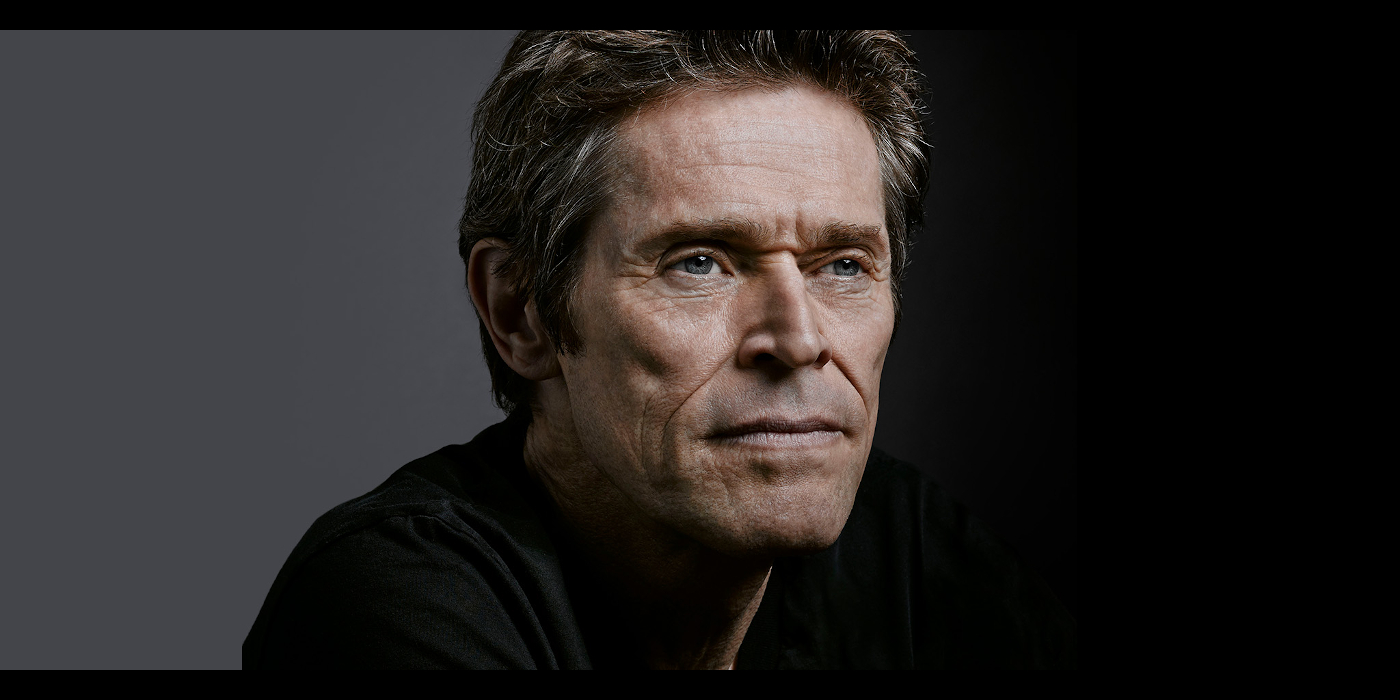
“Conversation with” at the 20th Marrakech IFF, interview with actor Willem Dafoe Bénédicte Prot

In competition at the 23rd Alice nell Città, Ronan Day-Lewis presented his directorial debut, Anemone, co-written and starred by his father, actor Daniel Day-Lewis.
The film, coming out in Italian cinemas from November 6th with Universal Pictures Italy, marks Daniel Day-Lewis’s return to the big screen, 8 years after the release of Paul Thomas Anderson’s Phantom Thread.
Anemone is a compelling film that delves into the tumultuous journey of a man confronting his past and seeking redemption. The film showcases a narrative of two painful yet rewarding journeys: reconnecting with a brother and embracing fatherhood.
With a screenplay written by father and son, Anemone features Daniel Day-Lewis and Sean Bean as two brothers who, estranged for a long time, meet again in the wilderness where one of them has chosen to live in isolation after a family crisis. Day-Lewis plays Ray, a man who abandoned his wife and young son because of wounds too difficult to manage and buried secrets. The encounter with his brother, once a fundamental bond, brings all the resentments to the surface, along with a confession and perhaps a second chance.
Inspired by his work as a painter, Ronan Day-Lewis crafts a film that is visually meticulous down to the smallest detail, like a succession of tableaux. His camera slowly follows the path of his protagonist, Ray, as he brings unresolved matters to light; and if at first it must chase him, showing him only from behind or in profile, little by little it manages to catch sight of his face, up to a final confrontation.
Ronan Day-Lewis explains that his protagonist, Ray, is experiencing a form of spiritual crisis, having disconnected from his identity and loved ones. The film opens with Ray isolated, while the camera visually reflects his emotional state. Initially shot from behind or at angles that hide his face, the cinematography symbolizes his reluctance to face himself and others. As the story unfolds, the camera gradually approaches, mirroring his internal opening up. The pivotal scene with his former wife, Jem (Samantha Morton) marks a turning point, where the camera finally reveals Ray’s face fully, symbolizing acceptance and emotional vulnerability.
The visual style of Anemone combines mythic elements with everyday realism. The director worked closely with the cinematographer to craft a balanced language inspired by 16th-century illuminated manuscripts and 1990s Sheffield street scenes. This synthesis of the fantastical and the mundane creates a unique aesthetic that underscores the film’s themes, highlighting the tension between myth and reality. The use of music, particularly shoegaze, further enriches the film’s atmospheric tone.
Anemone explores the complex and profound ties that exist between brothers, fathers, and sons.
Anemone by Ronan Day-Lewis, presented at the 23rd Alice nella Città, marks Daniel Day-Lewis’s return to cinema.
Ben Watkins, Jaalen Best and Giovanni Ribisi on The Greatest, the Prime Video series that tells Muhammad Ali's story as a coming of age, before the icon and the legend
France Odeon - Festival del Cinema Francese
La Vie d'une Femme explores the tension between duty and freedom as a surgeon’s carefully ordered life is transformed by an unexpected connection.
Special screening at the Alice nella Città 2026, Eivind Landsvik on Low Expectations, a musician's way back to life and the choice not to romanticize depression
Big girls don't cry captures the wild, unfiltered world of teenage life in 2006—and the filmmaker’s journey from Jane Campion’s mentorship to the big screen.