

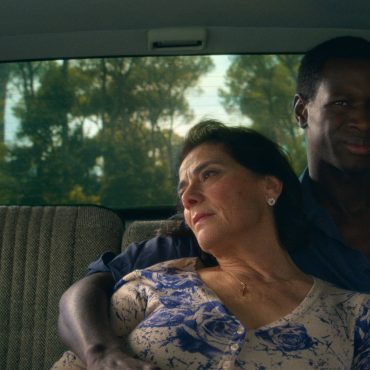
“Only Rebels Win”, interview with actress Hiam Abbass
"Only Rebels Win" by Danielle Arbid opens the 76th Berlinale’s Panorama with Hiam Abbass in the leading role.
Listeners:
Top listeners:
 play_arrow
ENGLISH Channel 01 If English is your language, or a language you understand, THIS IS YOUR CHANNEL !
 play_arrow
ITALIAN Channel 02 Se l’italiano è la tua lingua, o una lingua che conosci, QUESTO È IL TUO CANALE!
 play_arrow
EXTRA Channel 03 FRED Film Radio channel used to broadcast press conferences, seminars, workshops, master classes, etc.
 play_arrow
GERMAN Channel 04 Wenn Ihre Sprache Deutsch ist, oder Sie diese Sprache verstehen, dann ist das IHR KANAL !
 play_arrow
POLISH Channel 05
 play_arrow
SPANISH Channel 06 Si tu idioma es el español, o es un idioma que conoces, ¡ESTE ES TU CANAL!
 play_arrow
FRENCH Channel 07 Si votre langue maternelle est le français, ou si vous le comprenez, VOICI VOTRE CHAINE !
 play_arrow
PORTUGUESE Channel 08
 play_arrow
ROMANIAN Channel 09 Dacă vorbiţi sau înţelegeţi limba română, ACESTA ESTE CANALUL DUMNEAVOASTRĂ!
 play_arrow
SLOVENIAN Channel 10
 play_arrow
ENTERTAINMENT Channel 11 FRED Film Radio Channel used to broadcast music and live shows from Film Festivals.
 play_arrow
BULGARIAN Channel 16 Ако българският е вашият роден език, или го разбирате, ТОВА Е ВАШИЯТ КАНАЛ !
 play_arrow
CROATIAN Channel 17 Ako je hrvatski tvoj jezik, ili ga jednostavno razumiješ, OVO JE TVOJ KANAL!
 play_arrow
LATVIAN Channel 18
 play_arrow
DANISH Channel 19
 play_arrow
HUNGARIAN Channel 20
 play_arrow
DUTCH Channel 21
 play_arrow
GREEK Channel 22
 play_arrow
CZECH Channel 23
 play_arrow
LITHUANIAN Channel 24
 play_arrow
SLOVAK Channel 25
 play_arrow
ICELANDIC Channel 26 Ef þú talar, eða skilur íslensku, er ÞETTA RÁSIN ÞÍN !
 play_arrow
INDUSTRY Channel 27 FRED Film Radio channel completely dedicated to industry professionals.
 play_arrow
EDUCATION Channel 28 FRED Film Radio channel completely dedicated to film literacy.
 play_arrow
SARDU Channel 29 Si su sardu est sa limba tua, custu est su canale chi ti deghet!
 play_arrow
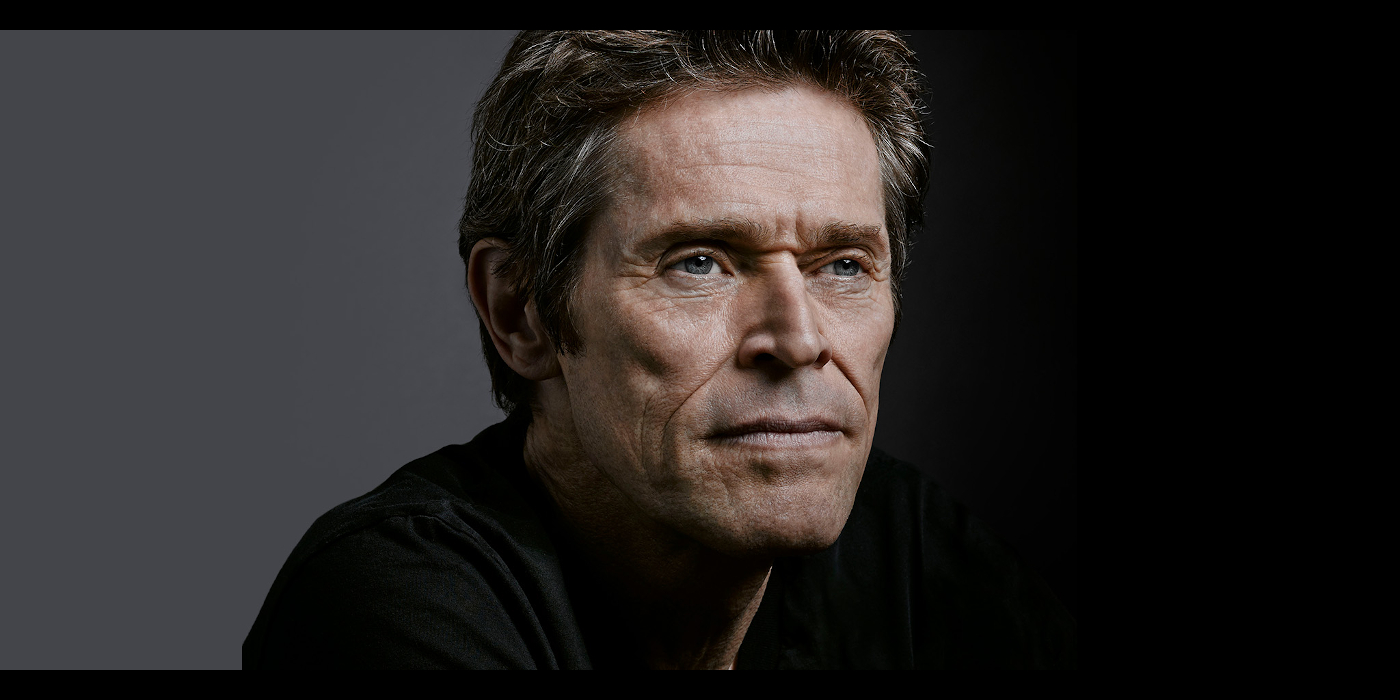
“Conversation with” at the 20th Marrakech IFF, interview with actor Willem Dafoe Bénédicte Prot
 play_arrow
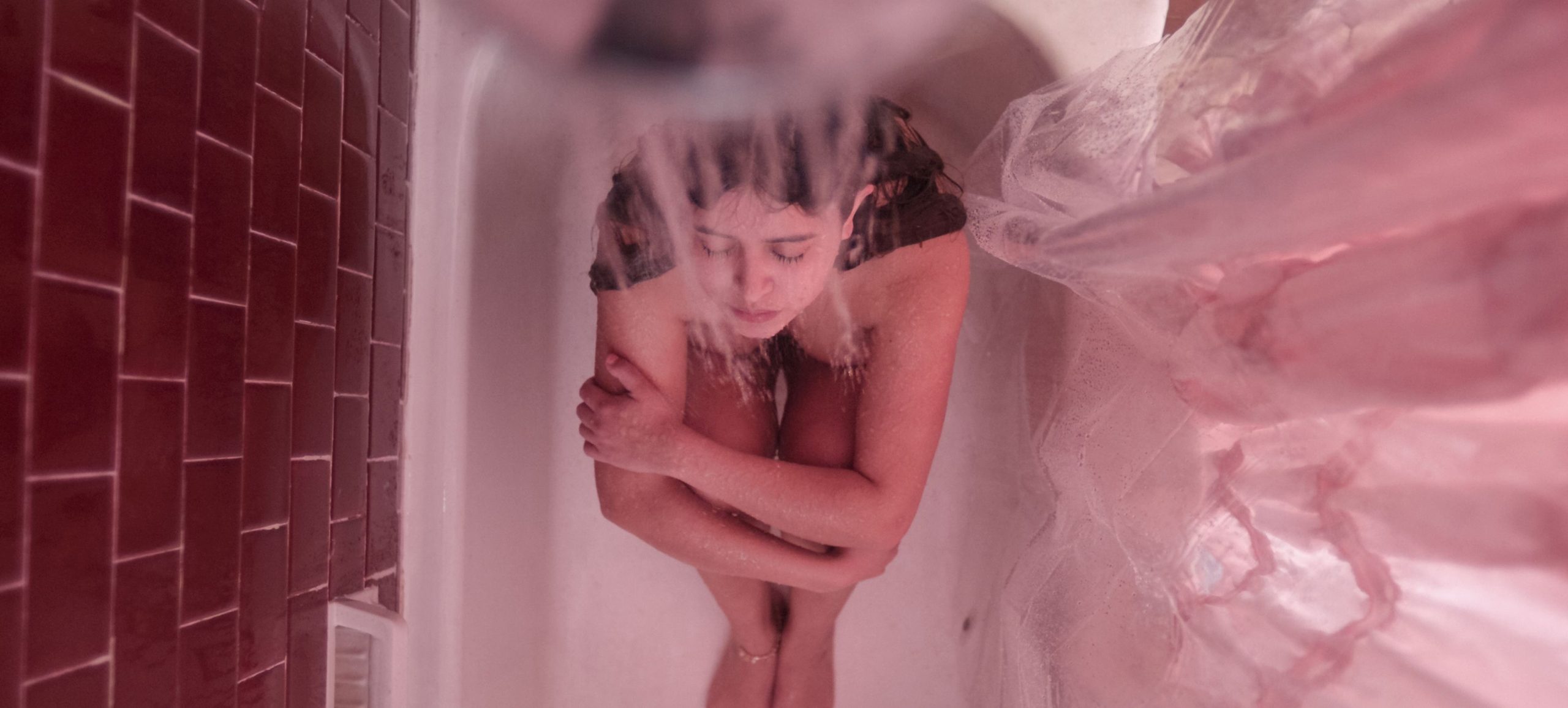
“A child of my own” interview with director Maite Alberdi Chiara Nicoletti
Presented in Special Presentation at the 76th Berlinale, “A Child of My Own” (Un hijo propio) is the new feature-length documentary by Chilean director Maite Alberdi, already known to international audiences for “The Mole Agent“, her Oscar-nominated work.
The film follows Alejandra, a woman whose profound desire to become a mother and the relentless pressure from her family and surroundings drive her to fake a pregnancy — a simple lie that spirals into a complex charade sustained for months, until an irreversible line is crossed and a media scandal makes the deception impossible to maintain.
Maite Alberdi returns to a festival she considers a natural home for her kind of filmmaking, one that privileges new narrative forms, social inquiry and human stories over spectacle. Her previous documentary Memoria Infinita screened in Panorama Documentary, and “A Child of My Own” feels equally at home in a space that, as the director puts it, welcomes films that look not only at politics but at people, at life, at the invisible pressures that shape it.
The genesis of the film was a real encounter. Maite Alberdi met Alejandra and listened to her story, a story so extreme, so unbelievable, that it immediately sparked both fascination and a deeper set of questions. “I always say that reality is stronger than fiction, but in this case it was really extreme,” she explains. Beyond the sensational events, what drew the director in was the emotional and social core of the story: the weight of motherhood, the absence of freedom in reproductive decisions, the way social pressure shapes and ultimately destroys a woman’s choices.
For Maite Alberdi, Alejandra’s story is nothing less than a modern tragedy. A woman who wanted only to be good, to fulfill her role, to meet the expectations of her husband, her family, her community and who, without intending harm, ended up at the very bottom of society, in prison. “It’s not a person in jail, it’s a woman in jail,” she says, pointing to the particular cruelty of that condition: a woman in prison breaks every rule of what a woman is supposed to be.
The failure, she insists, is not only Alejandra’s. The judge in the film spells it out clearly: a mother who lost two children and received no mental healthcare; a family that kept demanding a child; a doctor who granted maternity leave; a hospital that failed her; a husband who didn’t see what was happening. “There is a social responsibility here,” Maite Alberdi says, “and she paid her debt with society — 13 years in jail. But how is society paying its debt with her?”
The film resonates far beyond Alejandra’s extreme case because it touches something universal: the guilt that comes with motherhood, the impossible standard that society sets and that no woman can fully meet.
“You feel guilty all the time” Maite Alberdi reflects, “because you are not being the mom that society tells you that you have to be. You’re supposed to have your baby in your arms, give them food, be in a garden with flowers, happy and you only want to cry. And nobody told you that.”
It is a pressure, she adds, that never ends, from the desire to become a mother, through pregnancy, through every stage of raising a child.
Maite Alberdi is clear about how she defines the film: it is a documentary, not a docu-fiction. But it is a documentary that makes full use of everything cinema has to offer today: reconstructed scenes with actors, observational footage, interviews, real archive material.
“The great thing about documentary today is that we have so much freedom with materials” she says. The approach was, as always for her, character-driven: you find the person first, then you discover the best way to tell their story. In Alejandra’s case, every element was necessary.
“A Child of My Own” sits comfortably within Maite Alberdi‘s filmography: a body of work consistently drawn to fragility, intimacy and the spaces society doesn’t give us to speak about vulnerability. Each film, she says, grows from the previous one: “I need to learn something in each one that I want to explore in the next.“
Alejandra's deep desire to be a mother, and the constant pressure from those around her, push her to fake a pregnancy. In this feature-length documentary, Maite Alberdi shows how a simple lie turns into a charade that proves hard to keep up over months, in the eyes of her excited husband and family. This farce traps Alejandra in an all-consuming simulation that pushes her past the point of no return, triggering a media scandal and making it impossible for her to sustain her lie.
"Only Rebels Win" by Danielle Arbid opens the 76th Berlinale’s Panorama with Hiam Abbass in the leading role.
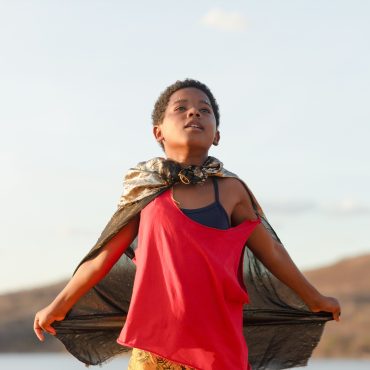
"Gugu's world" by director Allan Deberton is a story of childhood, family bonds, and universal dreams set in rural Brazil. An emotional journey for all ages.
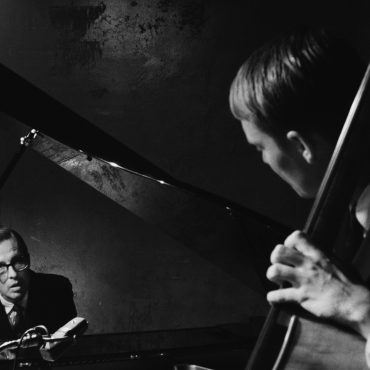
"Everybody Digs Bill Evans" captivates with its style and explores the jazz icon’s complex life, blending visual innovation with heartfelt storytelling and masterful performances.
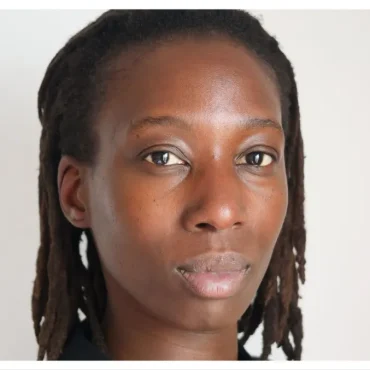
The World Cinema Fund promotes international film diversity and supports local voices amid global challenges. Its director, Sata Cissokho gives us a deeper look into it.
Edinburgh Spanish Film Festival
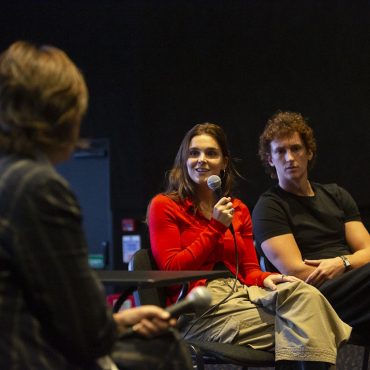
Marian Arechega, director of the vibrant Edinburgh Spanish Film Festival, discusses the 2026 edition programme, showcasing recent and diverse cinema from Spain.
Nicolas Winding Refn on Her Private Hell, his first feature in ten years, in Italian cinemas from October 1.
Discover how EWIP - European Work in Progress connects European and African films with top buyers, boosting distribution and festival success.
Rome is once again expanding the scope of its Film Fest: thirteen days of cinema, international premieres, renowned auteurs, emerging talent, series, documentaries, and cinematic heritage—with Javier Bardem, Paolo Genovese, and Monica Vitti at the heart of an edition that …