
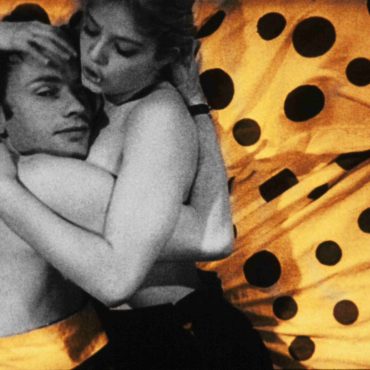
“Col cuore in gola” apre la preapertura della Mostra del Cinema di Venezia 2026
Il thriller pop di Tinto Brass torna al Lido in restauro 4K per la preapertura dell’83. Mostra del Cinema di Venezia.
Listeners:
Top listeners:
 play_arrow
ENGLISH Channel 01 If English is your language, or a language you understand, THIS IS YOUR CHANNEL !
 play_arrow
ITALIAN Channel 02 Se l’italiano è la tua lingua, o una lingua che conosci, QUESTO È IL TUO CANALE!
 play_arrow
EXTRA Channel 03 FRED Film Radio channel used to broadcast press conferences, seminars, workshops, master classes, etc.
 play_arrow
GERMAN Channel 04 Wenn Ihre Sprache Deutsch ist, oder Sie diese Sprache verstehen, dann ist das IHR KANAL !
 play_arrow
POLISH Channel 05
 play_arrow
SPANISH Channel 06 Si tu idioma es el español, o es un idioma que conoces, ¡ESTE ES TU CANAL!
 play_arrow
FRENCH Channel 07 Si votre langue maternelle est le français, ou si vous le comprenez, VOICI VOTRE CHAINE !
 play_arrow
PORTUGUESE Channel 08
 play_arrow
ROMANIAN Channel 09 Dacă vorbiţi sau înţelegeţi limba română, ACESTA ESTE CANALUL DUMNEAVOASTRĂ!
 play_arrow
SLOVENIAN Channel 10
 play_arrow
ENTERTAINMENT Channel 11 FRED Film Radio Channel used to broadcast music and live shows from Film Festivals.
 play_arrow
BULGARIAN Channel 16 Ако българският е вашият роден език, или го разбирате, ТОВА Е ВАШИЯТ КАНАЛ !
 play_arrow
CROATIAN Channel 17 Ako je hrvatski tvoj jezik, ili ga jednostavno razumiješ, OVO JE TVOJ KANAL!
 play_arrow
LATVIAN Channel 18
 play_arrow
DANISH Channel 19
 play_arrow
HUNGARIAN Channel 20
 play_arrow
DUTCH Channel 21
 play_arrow
GREEK Channel 22
 play_arrow
CZECH Channel 23
 play_arrow
LITHUANIAN Channel 24
 play_arrow
SLOVAK Channel 25
 play_arrow
ICELANDIC Channel 26 Ef þú talar, eða skilur íslensku, er ÞETTA RÁSIN ÞÍN !
 play_arrow
INDUSTRY Channel 27 FRED Film Radio channel completely dedicated to industry professionals.
 play_arrow
EDUCATION Channel 28 FRED Film Radio channel completely dedicated to film literacy.
 play_arrow
SARDU Channel 29 Si su sardu est sa limba tua, custu est su canale chi ti deghet!
 play_arrow
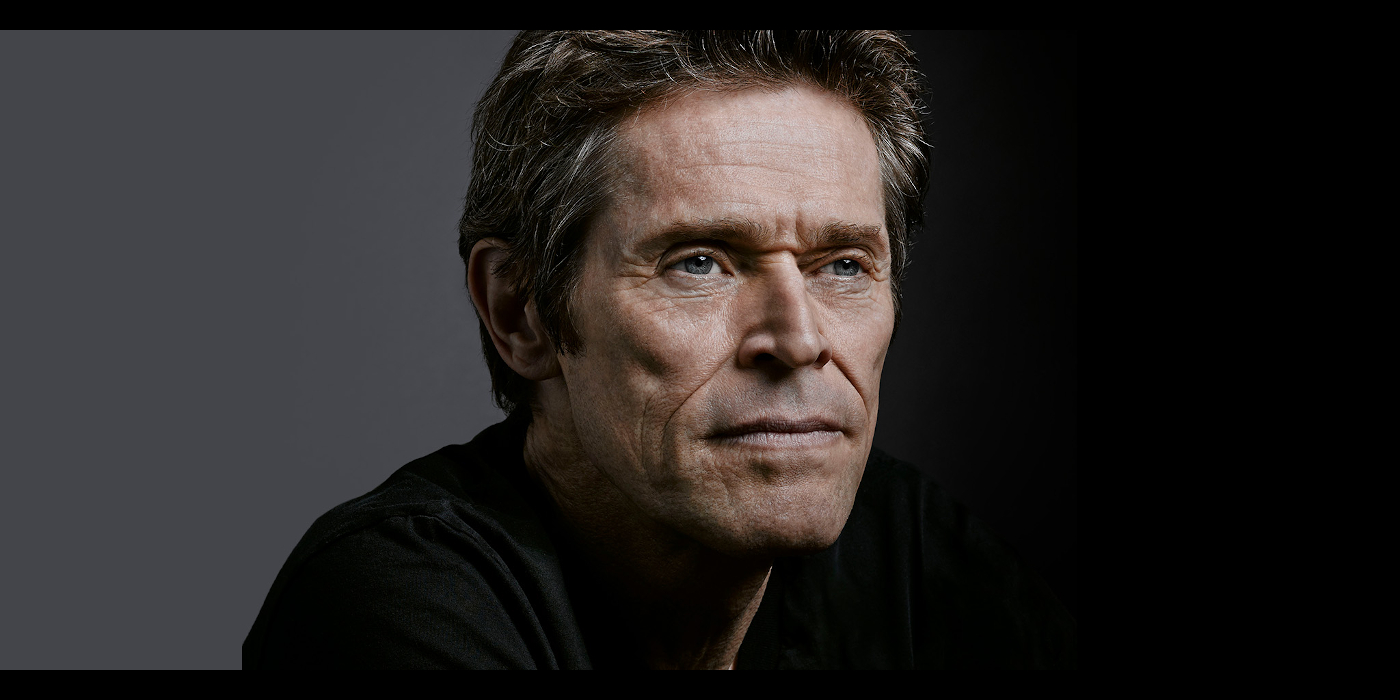
“Conversation with” at the 20th Marrakech IFF, interview with actor Willem Dafoe Bénédicte Prot
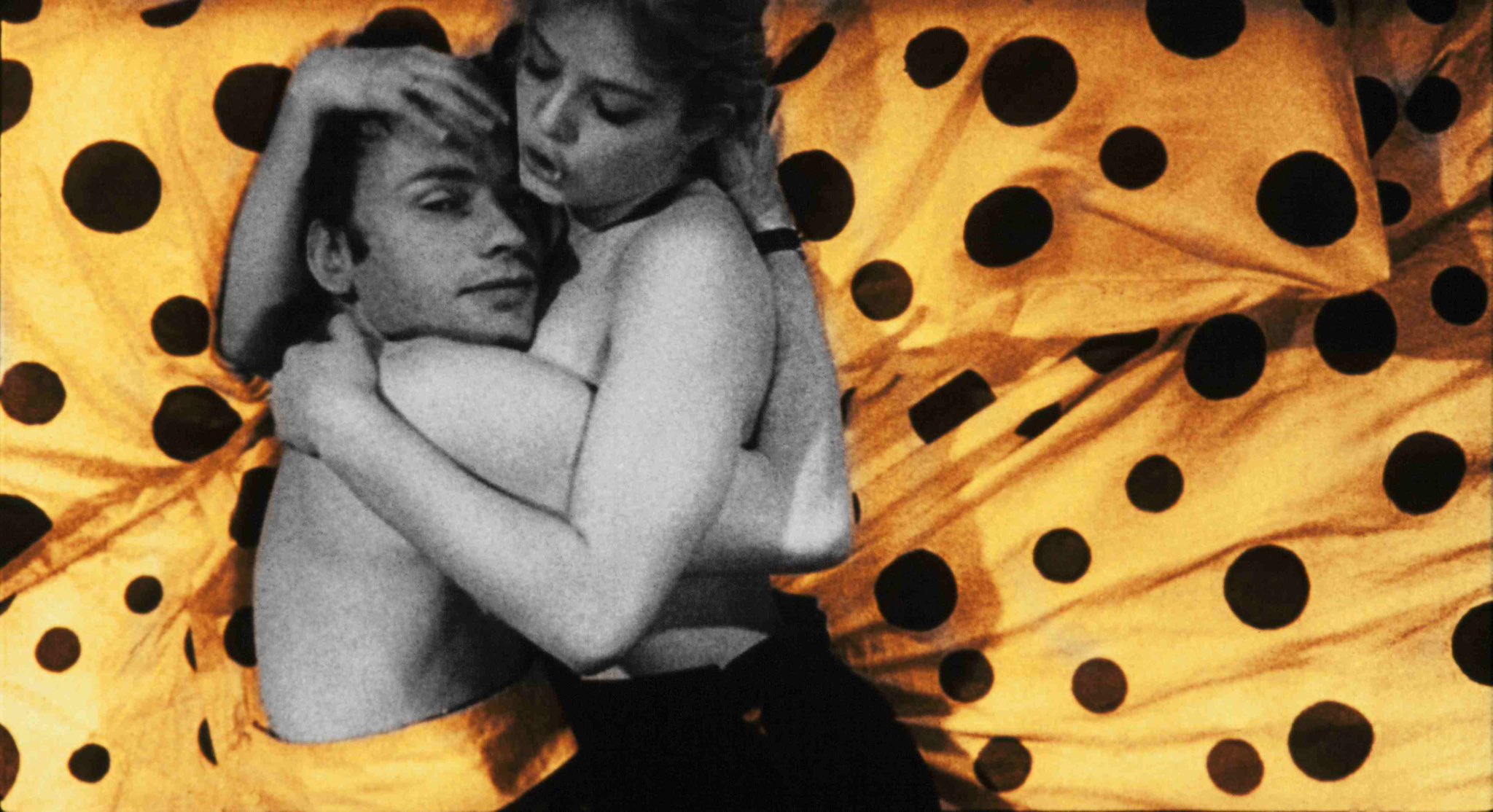
Deadly Sweet (Col cuore in gola, 1967) by Tinto Brass will be the pre-opening film of the 83rd Venice International Film Festival. The screening will take place on Tuesday, September 1, 2026, in Sala Darsena on the Lido di Venezia, one day before the official opening of the festival, which runs September 2 through September 12 under the direction of Alberto Barbera.
The selection pays tribute to Tinto Brass, a filmmaker with deep Venetian roots and one of the most unconventional voices in Italian cinema. Deadly Sweet, directed and edited by Brass, is part of the Venice Classics programme and will be presented in the world premiere of its new 4K digital restoration.
The CSC carried out the restoration at Centro Sperimentale di Cinematografia in Rome, with the support of Netflix, using materials held by rights owner Compass Film. The project brings renewed attention to one of the key films in Brass’ experimental period, when pop art, comics, fractured editing and the stylised codes of the European thriller shaped his cinema.
Produced by Ermanno Donati and Luigi Carpentieri, Deadly Sweet was originally presented out of competition at the Venice Film Festival in 1967. The film is loosely inspired by Sergio Donati’s novel Il sepolcro di carta, with a screenplay by Tinto Brass, Francesco Longo and Pierre Lévy-Corti. The cast is led by Jean-Louis Trintignant and Ewa Aulin, with cinematography by Silvano Ippoliti, production design by Carmelo Patrono and music by Armando Trovajoli.
Shot in London, Deadly Sweet belongs to Brass’ British period, which also includes Nerosubianco and Dropout. The English capital becomes both a physical setting and a mental landscape, crossed by graphic signs, erotic tension, urban violence and the visual culture of the 1960s.
For the film’s graphic concept, Brass worked with Guido Crepax, then one of the most distinctive figures in Italian comics. The director later recalled the collaboration in precise terms: “I even had Guido Crepax draw a whole series of illustrations for the action sequences, and they are quite rare because they are one of Crepax’s few works in colour, and in addition to being very beautiful, I used them as a storyboard”, said Tinto Brass.
The synopsis in the original pressbook describes the film as the story of a brief, strange encounter between Bernard, a disappointed man, and Jane, a young woman without illusions. Their meeting takes place in front of a dead body. It unfolds over the course of one day and one night, while contemporary London presses on their relationship with its contradictions and fatality.
In statements given to AdnKronos in 1967, Brass described the protagonist as a man who falls in love with a woman even though he finds her beside a corpse: “He foregoes any attitude of caution, of expediency and dives headlong into this adventure that totally compromises him. The film is also the story of a disillusionment, given that the character imagines the woman for something she is not”.
Born in Milan in 1933 into a Venetian family, Giovanni “Tinto” Brass studied law before moving to Paris in 1957. There, he worked around the Cinémathèque française, directed by Henri Langlois, entered the milieu of the emerging Nouvelle Vague, and became an assistant to Joris Ivens and Roberto Rossellini.
His iconoclastic feature debut, In capo al mondo, later retitled Chi lavora è perduto, was presented at the Venice Film Festival in 1963 and soon encountered censorship, the first in a long series of battles connected to his libertarian and anti-conformist vision. With Deadly Sweet, the Venice Film Festival now restores visibility to a work in which thriller, pop art and European visual culture meet at a decisive moment in the evolution of Italian cinema.
Il thriller pop di Tinto Brass torna al Lido in restauro 4K per la preapertura dell’83. Mostra del Cinema di Venezia.
Venezia 83 confirms the full International Jury for the 2026 Competition, chaired by Maggie Gyllenhaal and composed of six major voices in contemporary cinema.
Discover insights from Venice Film Festival with Fred.Fm, highlighting standout films, talented directors, and the vibrant connection between Latin American and European cinema.
The 82nd Venice Film Festival presents the 91 films in the official selection, with debuts and big names: Baumbach, Del Toro, Bellocchio, Lanthimos and Bigelow
Discover how EWIP - European Work in Progress connects European and African films with top buyers, boosting distribution and festival success.
Rome is once again expanding the scope of its Film Fest: thirteen days of cinema, international premieres, renowned auteurs, emerging talent, series, documentaries, and cinematic heritage—with Javier Bardem, Paolo Genovese, and Monica Vitti at the heart of an edition that …
Pascal Diot, directeur du Venice Production Bridge, sur 15 ans d'évolution et le nouveau VPB Location Market.
In the Open section at Venice 83, Luke Lorentzen on falling back in love with filmmaking in Boatbuilders