

“Ulya”, interview with the director Viesturs Kairiss
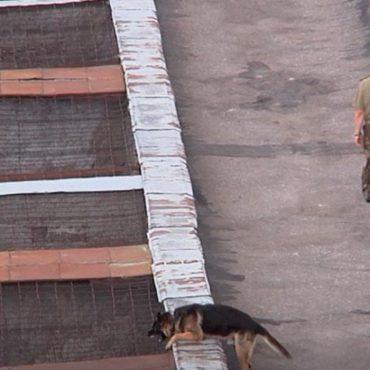
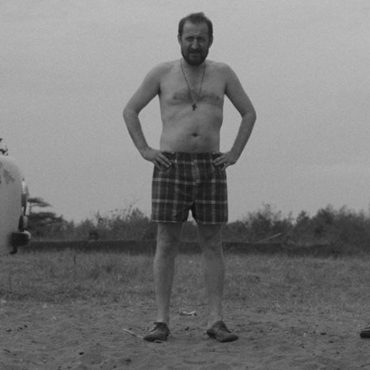
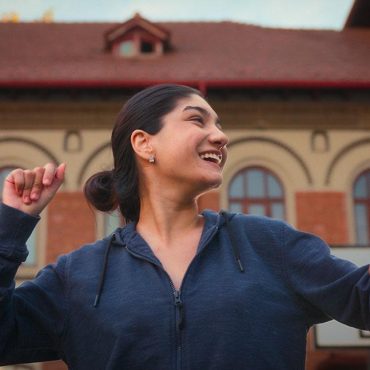
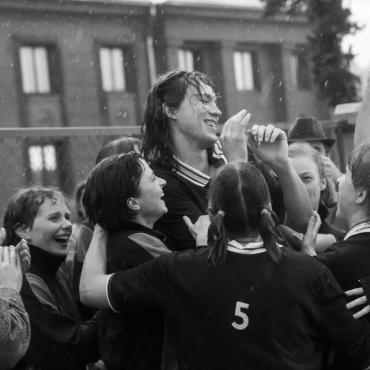
Director Viesturs Kairiss discusses Ulya at Cannes 2026, exploring identity, Soviet Latvia and the human story behind Ulyana Semyonova.
Listeners:
Top listeners:
 play_arrow
ENGLISH Channel 01 If English is your language, or a language you understand, THIS IS YOUR CHANNEL !
 play_arrow
ITALIAN Channel 02 Se l’italiano è la tua lingua, o una lingua che conosci, QUESTO È IL TUO CANALE!
 play_arrow
EXTRA Channel 03 FRED Film Radio channel used to broadcast press conferences, seminars, workshops, master classes, etc.
 play_arrow
GERMAN Channel 04 Wenn Ihre Sprache Deutsch ist, oder Sie diese Sprache verstehen, dann ist das IHR KANAL !
 play_arrow
POLISH Channel 05
 play_arrow
SPANISH Channel 06 Si tu idioma es el español, o es un idioma que conoces, ¡ESTE ES TU CANAL!
 play_arrow
FRENCH Channel 07 Si votre langue maternelle est le français, ou si vous le comprenez, VOICI VOTRE CHAINE !
 play_arrow
PORTUGUESE Channel 08
 play_arrow
ROMANIAN Channel 09 Dacă vorbiţi sau înţelegeţi limba română, ACESTA ESTE CANALUL DUMNEAVOASTRĂ!
 play_arrow
SLOVENIAN Channel 10
 play_arrow
ENTERTAINMENT Channel 11 FRED Film Radio Channel used to broadcast music and live shows from Film Festivals.
 play_arrow
BULGARIAN Channel 16 Ако българският е вашият роден език, или го разбирате, ТОВА Е ВАШИЯТ КАНАЛ !
 play_arrow
CROATIAN Channel 17 Ako je hrvatski tvoj jezik, ili ga jednostavno razumiješ, OVO JE TVOJ KANAL!
 play_arrow
LATVIAN Channel 18
 play_arrow
DANISH Channel 19
 play_arrow
HUNGARIAN Channel 20
 play_arrow
DUTCH Channel 21
 play_arrow
GREEK Channel 22
 play_arrow
CZECH Channel 23
 play_arrow
LITHUANIAN Channel 24
 play_arrow
SLOVAK Channel 25
 play_arrow
ICELANDIC Channel 26 Ef þú talar, eða skilur íslensku, er ÞETTA RÁSIN ÞÍN !
 play_arrow
INDUSTRY Channel 27 FRED Film Radio channel completely dedicated to industry professionals.
 play_arrow
EDUCATION Channel 28 FRED Film Radio channel completely dedicated to film literacy.
 play_arrow
SARDU Channel 29 Si su sardu est sa limba tua, custu est su canale chi ti deghet!
 play_arrow
“Conversation with” at the 20th Marrakech IFF, interview with actor Willem Dafoe Bénédicte Prot
 play_arrow
"Death Has No Master", interview with director Jorge Thielen Armand Federica Scarpa
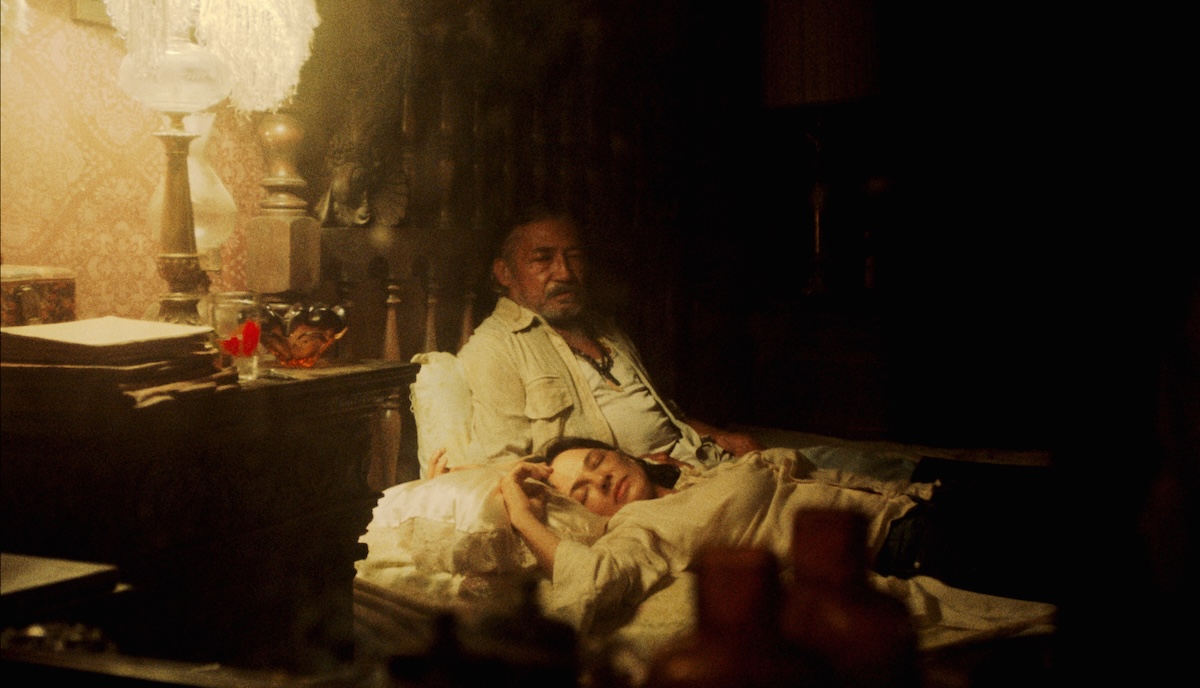
Presented as a world premiere in the Quinzaine des Cinéastes at the 2026 Cannes Film Festival, “Death Has No Master” marks a new return to Venezuela for director Jorge Thielen Armand. The film centres on Caro, a woman who travels to Venezuela to sell her late father’s cacao plantation and finds the family mansion occupied by its former staff.
Jorge Thielen Armand explains that the film was shot in Venezuela in 2025, with production ending in September of that year. At the time, the country’s political climate was already shaping the atmosphere around the shoot. “There were already the American aircraft boats on the shores,” says Jorge Thielen Armand. “That was creating a climate of uncertainty, fear.”
The director underlines that later events are not directly part of the film, but he acknowledges that audiences may now read the work through Venezuela’s more recent political tensions. For him, that connection is less a matter of topical reference than of atmosphere: a pervasive instability that enters the behaviour of authorities, institutions and private citizens.
The family house is not only a setting in “Death Has No Master”. It functions as a character, a repository of memory and a physical embodiment of decay. Jorge Thielen Armand says this idea runs through all his films, where the house, or the absence of one, becomes a central dramatic force.
For this film, he imagined the walls themselves as unstable. “I always envisioned seeing the walls moving,” says Jorge Thielen Armand. That sensation is created not only through images, but also through sound. The director used material from a 1970s magnetic tape belonging to his family, digitising it and spreading those sounds across the film. The result is a sonic texture that suggests the characters’ psychology and the secret life of the house itself.
The film’s visual identity was developed with cinematographer Luis Armando Arteaga, whom Jorge Thielen Armand describes as more than a director of photography. Their collaboration was not based only on technical decisions, but on conversations about life, cinema and literature. Luis Armando Arteaga was involved at every stage of the process, including the script and subtitles.
The director says the film’s style emerged while they were making it. There were initial ideas, including lens choices and a decision to embrace visual noise, but the cinematography remained open to discovery. The main rule was to shoot largely on a tripod or rails, with exceptions for selected handheld scenes. “The film was guiding us how to shoot it,” says Jorge Thielen Armand, describing a process that combined formal control with a desire for freedom.
The choice of Asia Argento as Caro came first from intuition, not familiarity. Jorge Thielen Armand had not seen her work extensively when her name was suggested, but a photograph was enough to trigger a response. Something in her eyes, he says, convinced him that she could carry the role.
What interested him was not only her acting experience but the history she would bring with her. Asia Argento’s biography, her relationship to cinema, her public life and her personal baggage gave Caro dimensions that could not be written in conventional script terms. “I was especially interested in who she is as a person,” says Jorge Thielen Armand.
Once Asia Argento joined the project, the character changed. The original Caro had been imagined as more delicate, while Asia Argento brought a sharper force to the film. “Asia brought a certain toughness and a certain rock and roll vibe,” says the director. That energy helped him recognise the film’s gothic potential, something he connects to a harsher, almost Goya-like darkness.
“Death Has No Master” originated in part from a recurring dream of an abandoned house or building. For Jorge Thielen Armand, the dream did not provide a simple plot. Instead, it opened a question: what fear was he trying to excavate? The film became a way to enter that fear, rather than explain it.
“I don’t choose the films I make,” says Jorge Thielen Armand. “They choose me.” His return to Venezuela is described as both a curse and a blessing, a compulsion that gives the work its urgency. The journey of making the film, like Caro’s, becomes a descent into a place of pleasure, vice, decay, and catharsis.
Class injustice is central to the film, and Jorge Thielen Armand situates it within Venezuela’s racial and social history. He connects contemporary classism to the caste system imposed during Spanish colonial rule, officially abolished after independence but still present, in his words, in the collective soul of the country.
“Death Has No Master” examines how inherited hierarchies continue to shape relationships, property and violence. For the director, the film is about “the murderous quality of classism” and how inequality can turn people against one another. The conflict around the house and the plantation is therefore not only personal but also historical.
Caro travels to Venezuela to sell her late father’s cacao plantation, only to find the family mansion occupied by its former staff, who are determined to remain at all costs. As Caro takes justice into her own hands to claim the inheritance she believes is hers, she sets off a struggle that unearths the violence buried in the land and its memory.
Director Viesturs Kairiss discusses Ulya at Cannes 2026, exploring identity, Soviet Latvia and the human story behind Ulyana Semyonova.
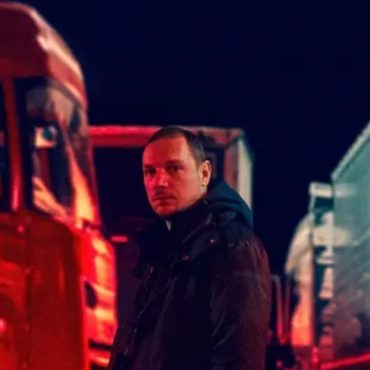
With the powerful story of "Flesh and Fuel", we explore a love between truck drivers highlighting work, identity, and authentic intimacy in a touching, realistic portrayal. We talked about it with one of the actors, Julian Świeżewski.
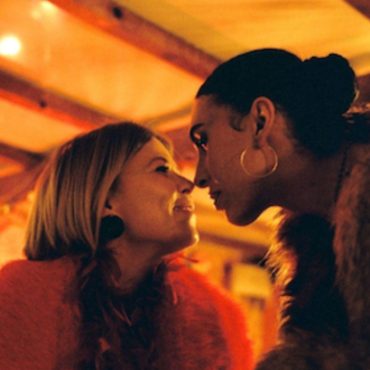
Avril Besson's deeply touching first feature, "Marvelous Mornings", comes with a generous serving of vintage music – "disco is so fun, and so weird."
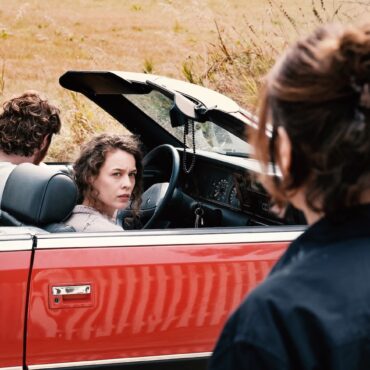
Mirrors No. 3 is Petzold’s new film with muse Paula Beer, premiering at the Quinzaine des Cinéastes.
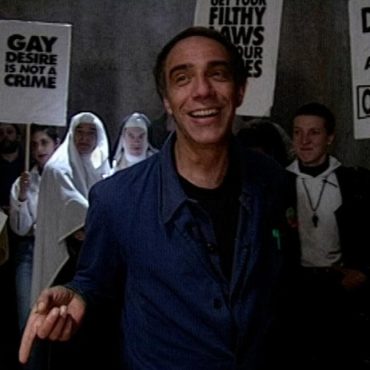
Presented out of competition in the Open section of Venice 83, Theo Rollason and Peter Tatchell trace Derek Jarman's legacy and today's fight for LGBTQ+ rights in Queer Edward II
"Listy-Letters from the Silenced Country" by director Andrei Kutsila reveals intimate stories of Belarusian prisoners and exiles, giving voice to resilience and hope amid repression.
"Guria" by director Levan Koguashvili offers a captivating blend of humor and tragedy set in 90s Georgia, highlighting human resilience and authentic stories from post-Soviet times.
"I Matter" by director Alina Şerban tells a powerful, personal story of Roma youth, unearthing untold truths and fostering self-representation.