
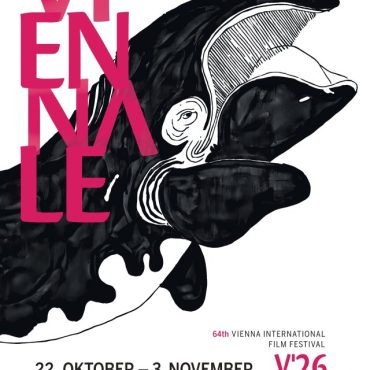
Viennale 2026, interview with the festival director Eva Sangiorgi
Eva Sangiorgi, director of the Viennale 2026, on a city festival with over 100 features, no competition and a Robert Aldrich retrospective.
Listeners:
Top listeners:
 play_arrow
ENGLISH Channel 01 If English is your language, or a language you understand, THIS IS YOUR CHANNEL !
 play_arrow
ITALIAN Channel 02 Se l’italiano è la tua lingua, o una lingua che conosci, QUESTO È IL TUO CANALE!
 play_arrow
EXTRA Channel 03 FRED Film Radio channel used to broadcast press conferences, seminars, workshops, master classes, etc.
 play_arrow
GERMAN Channel 04 Wenn Ihre Sprache Deutsch ist, oder Sie diese Sprache verstehen, dann ist das IHR KANAL !
 play_arrow
POLISH Channel 05
 play_arrow
SPANISH Channel 06 Si tu idioma es el español, o es un idioma que conoces, ¡ESTE ES TU CANAL!
 play_arrow
FRENCH Channel 07 Si votre langue maternelle est le français, ou si vous le comprenez, VOICI VOTRE CHAINE !
 play_arrow
PORTUGUESE Channel 08
 play_arrow
ROMANIAN Channel 09 Dacă vorbiţi sau înţelegeţi limba română, ACESTA ESTE CANALUL DUMNEAVOASTRĂ!
 play_arrow
SLOVENIAN Channel 10
 play_arrow
ENTERTAINMENT Channel 11 FRED Film Radio Channel used to broadcast music and live shows from Film Festivals.
 play_arrow
BULGARIAN Channel 16 Ако българският е вашият роден език, или го разбирате, ТОВА Е ВАШИЯТ КАНАЛ !
 play_arrow
CROATIAN Channel 17 Ako je hrvatski tvoj jezik, ili ga jednostavno razumiješ, OVO JE TVOJ KANAL!
 play_arrow
LATVIAN Channel 18
 play_arrow
DANISH Channel 19
 play_arrow
HUNGARIAN Channel 20
 play_arrow
DUTCH Channel 21
 play_arrow
GREEK Channel 22
 play_arrow
CZECH Channel 23
 play_arrow
LITHUANIAN Channel 24
 play_arrow
SLOVAK Channel 25
 play_arrow
ICELANDIC Channel 26 Ef þú talar, eða skilur íslensku, er ÞETTA RÁSIN ÞÍN !
 play_arrow
INDUSTRY Channel 27 FRED Film Radio channel completely dedicated to industry professionals.
 play_arrow
EDUCATION Channel 28 FRED Film Radio channel completely dedicated to film literacy.
 play_arrow
SARDU Channel 29 Si su sardu est sa limba tua, custu est su canale chi ti deghet!
 play_arrow
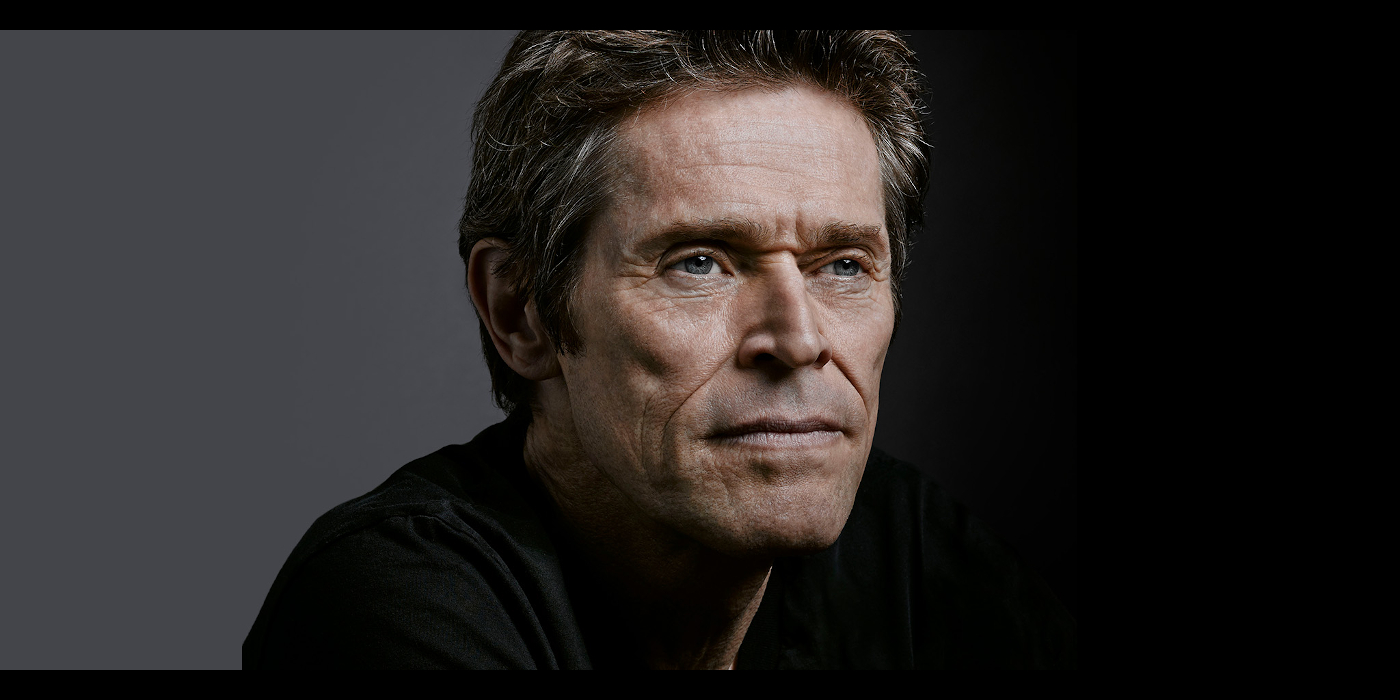
“Conversation with” at the 20th Marrakech IFF, interview with actor Willem Dafoe Bénédicte Prot
 play_arrow
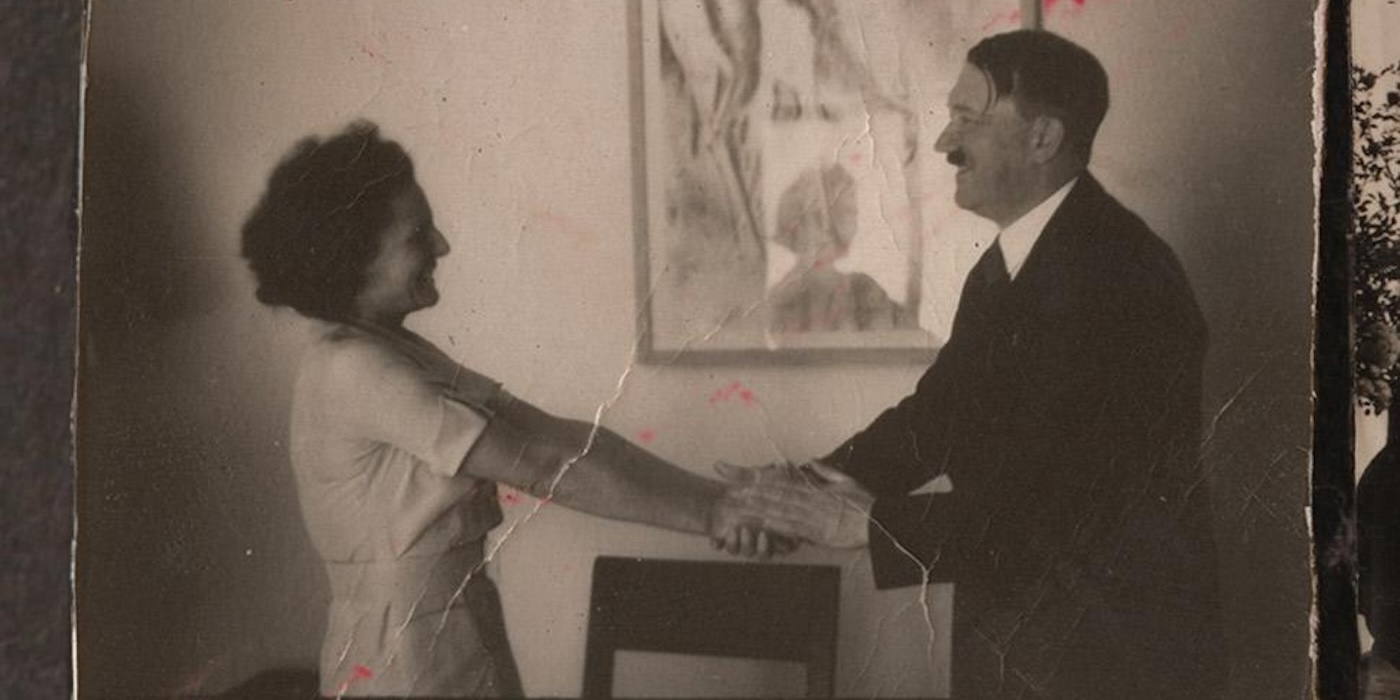
“Riefenstahl”, interview with director Andres Veiel Manuela Santacatterina
At the 81 Venice Film Festival, Fred Film Radio interviewed Andres Veiel, the director of “>Riefenstahl”, featured Out of Competition. A fascinating look into the private archive of Leni Riefenstahl, who rose to world fame with her Nazi propaganda film “Triumph of the Will”, but who always denied any close ties to the regime.
When watching “Riefenstahl” you have the impression of watching a detective story. Did Andres Veiel feel like a detective called to solve a puzzle while working on the production of the documentary? “I think it’s the right approach for it because it gave hundreds of traces and you have to decide: ‘Okay, we follow up this trace’. And then we find another trace and then we find a proof or something. So it was like a puzzle and in the end we could create a very intimate close portrait of a fascist artist”.
To make “Riefenstahl”, Andres Veiel had to use a lot of material cataloged by the director herself. In doing so he realized that some passages of his life had been deliberately modified by Riefenstahl herself, becoming the director of her own life. “For us it was very important to understand more, not just accusing her of being a perpetrator – what she was, of course – but to understand how she became a Nazi fascist artist. And we have to go back to her youth. We could find a lot of testimonies, little notes telling about the violence of her father and violence of other men she experienced. Now, of course, this is not an excuse for her guilt, but we have to be precise, to understand her, but not to exonerate her or not to discharge her from the guilt. And this was a balance, like a title for her. We had to balance both sides. It’s very important to get a deeper insight of her character”.
In a society where right-wing political movements have found new fertile ground and where failure is not allowed, is Leni Riefenstahl’s cinematic gaze dangerous today? “When you watch footage from military parades in Russia you can discover the aesthetics of Riefenstahl. A lot is present. And also the ideology by celebrating the strongness, the male heroism, and with the contempt of the weak. That’s the ideology of fascism. And when you think about fakeness, for example, Riefenstahl is the prototype of fakeness. And it’s so present. We have a lot of politicians that just repeat lies, and the longer they repeat the lies, they really are convinced it’s the truth. And many people believe it. When you look at Riefenstahl, you will understand how fakeness is produced, and why there’s a longing for fakeness. People need them. People need lies, and that’s horrifying”.
Leni Riefenstahl is considered one of the most controversial figures of the twentieth century. Her films Triumph des Willens (Triumph of the Will) and Olympia epitomise perfectly staged body worship and the celebration of the superior and victorious. At the same time, these images project contempt for the imperfect and weak. Riefenstahl’s aesthetics are more prevalent today than ever—but does the same hold true for their underlying message? The film explores this question using documents from Riefenstahl’s estate, including private films, photos, letters, and recordings. It uncovers fragments of her biography and places them within a broader historical context. How could Riefenstahl rise to become the Reich’s leading filmmaker while persistently denying any close ties to Hitler and Goebbels? In personal documents, she laments her “murdered ideals.” Riefenstahl reflects many post-war Germans who, through letters and recorded telephone calls from her estate, yearn for an authoritative figure to restore order to the “shit-hole state”. They believe that this restoration could bring about a renaissance of her work—a possibility that might come to fruition in a generation or two. What if they are right?
Eva Sangiorgi, director of the Viennale 2026, on a city festival with over 100 features, no competition and a Robert Aldrich retrospective.
Ruth Beckermann on Wax & Gold, her documentary on Ethiopia seen through a hotel in Addis Ababa, at the Rome Film Fest 2026.
A dark fairy tale about growing up, belonging and the fear of being replaced. Bàrbara Farré and Diego Betancor discuss the personal origins of Mala Bèstia, its unsettling vision of adolescence and the decision to make a debut feature without …
Character designer Thibault Leclercq talks about Wildwood and its stop-motion puppets, at the 24th edition of Alice nella Città.