

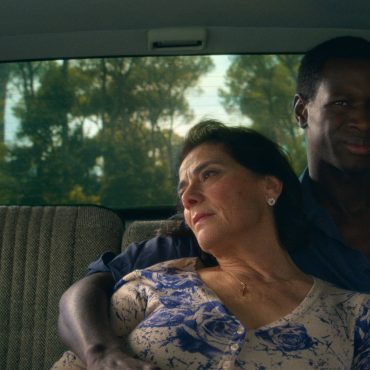
“Only Rebels Win”, interview with actress Hiam Abbass
"Only Rebels Win" by Danielle Arbid opens the 76th Berlinale’s Panorama with Hiam Abbass in the leading role.
Listeners:
Top listeners:
 play_arrow
ENGLISH Channel 01 If English is your language, or a language you understand, THIS IS YOUR CHANNEL !
 play_arrow
ITALIAN Channel 02 Se l’italiano è la tua lingua, o una lingua che conosci, QUESTO È IL TUO CANALE!
 play_arrow
EXTRA Channel 03 FRED Film Radio channel used to broadcast press conferences, seminars, workshops, master classes, etc.
 play_arrow
GERMAN Channel 04 Wenn Ihre Sprache Deutsch ist, oder Sie diese Sprache verstehen, dann ist das IHR KANAL !
 play_arrow
POLISH Channel 05
 play_arrow
SPANISH Channel 06 Si tu idioma es el español, o es un idioma que conoces, ¡ESTE ES TU CANAL!
 play_arrow
FRENCH Channel 07 Si votre langue maternelle est le français, ou si vous le comprenez, VOICI VOTRE CHAINE !
 play_arrow
PORTUGUESE Channel 08
 play_arrow
ROMANIAN Channel 09 Dacă vorbiţi sau înţelegeţi limba română, ACESTA ESTE CANALUL DUMNEAVOASTRĂ!
 play_arrow
SLOVENIAN Channel 10
 play_arrow
ENTERTAINMENT Channel 11 FRED Film Radio Channel used to broadcast music and live shows from Film Festivals.
 play_arrow
BULGARIAN Channel 16 Ако българският е вашият роден език, или го разбирате, ТОВА Е ВАШИЯТ КАНАЛ !
 play_arrow
CROATIAN Channel 17 Ako je hrvatski tvoj jezik, ili ga jednostavno razumiješ, OVO JE TVOJ KANAL!
 play_arrow
LATVIAN Channel 18
 play_arrow
DANISH Channel 19
 play_arrow
HUNGARIAN Channel 20
 play_arrow
DUTCH Channel 21
 play_arrow
GREEK Channel 22
 play_arrow
CZECH Channel 23
 play_arrow
LITHUANIAN Channel 24
 play_arrow
SLOVAK Channel 25
 play_arrow
ICELANDIC Channel 26 Ef þú talar, eða skilur íslensku, er ÞETTA RÁSIN ÞÍN !
 play_arrow
INDUSTRY Channel 27 FRED Film Radio channel completely dedicated to industry professionals.
 play_arrow
EDUCATION Channel 28 FRED Film Radio channel completely dedicated to film literacy.
 play_arrow
SARDU Channel 29 Si su sardu est sa limba tua, custu est su canale chi ti deghet!
 play_arrow
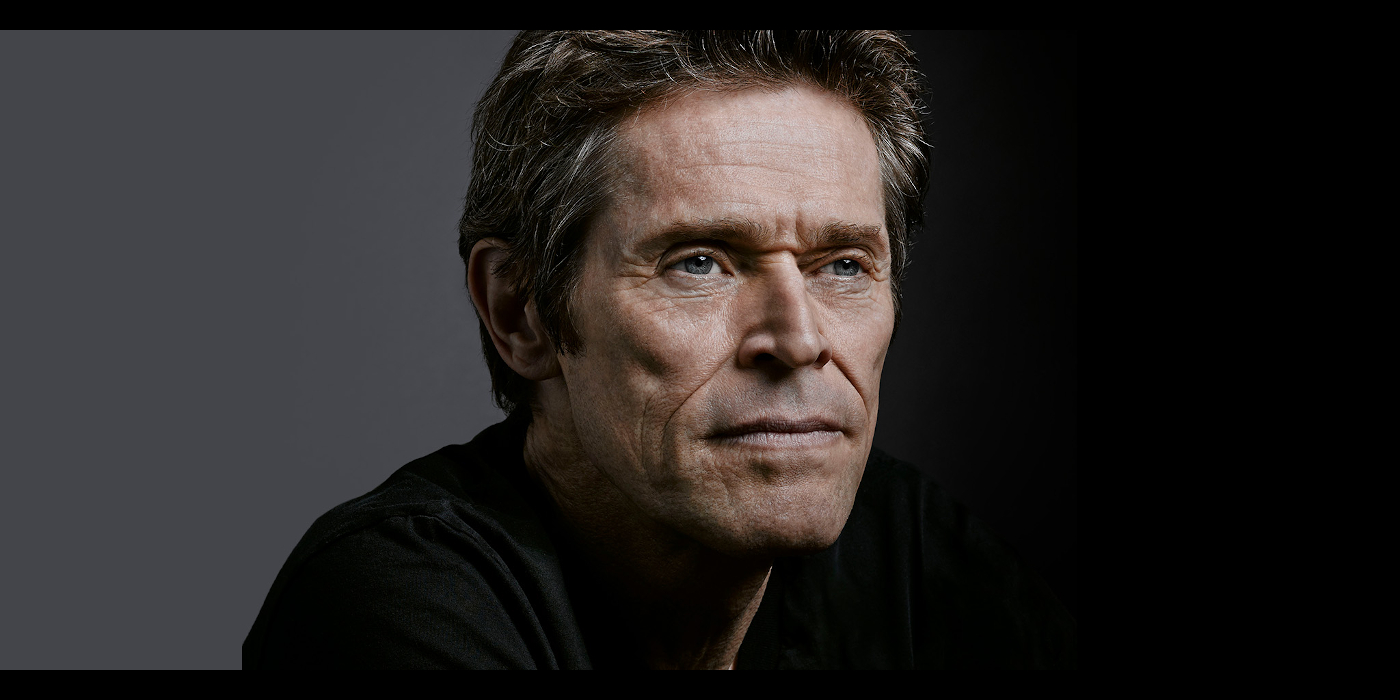
“Conversation with” at the 20th Marrakech IFF, interview with actor Willem Dafoe Bénédicte Prot
 play_arrow
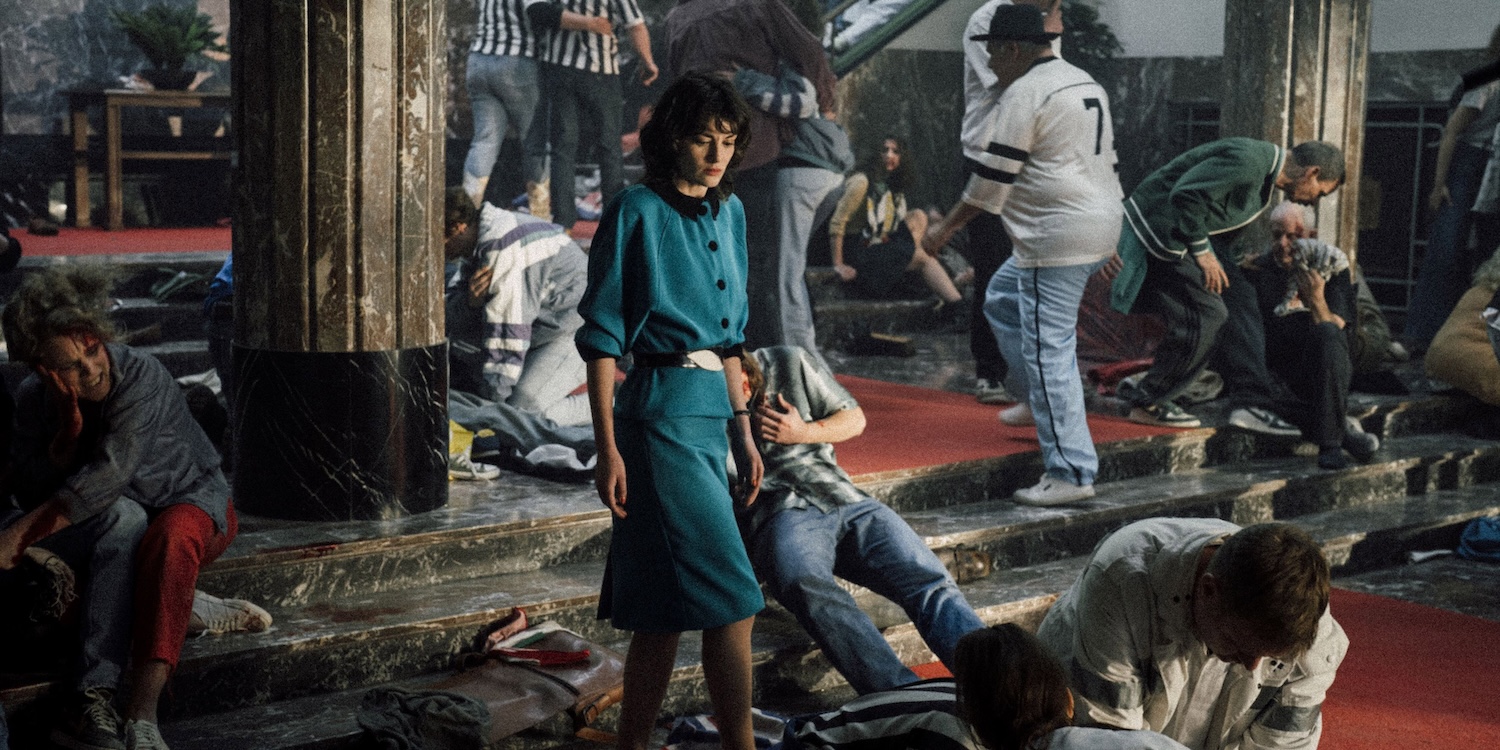
“Heysel 85”, interview with director Teodora Ana Mihai Chiara Nicoletti
Presented in Berlinale Special Gala at the 76th Berlinale, “Heysel 85“ is the fourth feature film by Romanian-Belgian director Teodora Ana Mihai. On 29 May 1985, the European Cup Final between Juventus and Liverpool FC at the Heysel Stadium in Brussels ended in tragedy: hooligans went on the rampage before kick-off, dozens of people died, and amid the chaos a fateful decision was made to let the match go on. The film follows two characters caught in the middle of that catastrophe: Marie, daughter and press attaché of the mayor of Brussels, forced to step in for her father who is no longer capable of taking command; and Luca Rossi, an Italian journalist covering the match for television, desperately searching for his family while continuing to report.
Teodora Ana Mihai came to this project through her producer Hans Everaert, a long-time collaborator who approached her with a specific conviction: that if she were to make a film about Heysel, it would not be a film about football as a sport, but about football as a metaphor. “In many ways, I was an unusual suspect to take on this subject matter” Teodora Ana Mihai acknowledges, “and we both felt that was precisely why I should do it, it might go to places one wouldn’t necessarily expect.” The challenge and the opportunity, she adds carefully, though opportunity feels like the wrong word when dealing with such a tragedy.
What compelled Teodora Ana Mihai was not the match itself but what it symbolises, what the Heysel tragedy reveals about human nature under extreme pressure. “It’s a story about distraction in times of crisis” she says, “about how institutions and individuals sometimes choose to look away rather than confront the moral weight of their decisions.” The mechanisms at play in 1985, political and personal responsibility, fear of escalation, the temptation to preserve appearances feel, in her words, painfully current. The film operates on multiple layers: football is the backdrop, the arena, but on the second and third layer it speaks about existential issues and human nature. “We are always trying to say something about our current condition” she reflects, “to tell stories that echo what we’re living today.”
At the heart of “Heysel 85” is the question of what individuals do when history unfolds around them and how they struggle to remain on the right side of it. Marie and Luca are not decision-makers at the top of the chain of command, yet they are each pulled into the vortex of a crisis that demands choices none of them are prepared for. The politicians and police face the central dilemma: cancel the match, or let it go on? As fear takes hold that stopping the game could escalate the situation further, a questionable decision takes shape, one that continues to provoke debate forty years later. “The questions the tragedy raises feel extremely timely and relevant” says Teodora Ana Mihai, “within the socio-political and geopolitical landscape we are living in today.”
When violence erupts before the 1985 European Cup Final between Liverpool and Juventus at
Brussels’ Heysel Stadium, killing 39 people, the mayor’s daughter and a journalist with Italian roots are drawn into the heart of the tragedy, caught between professional duty, family loyalty, and moral responsibility.
"Only Rebels Win" by Danielle Arbid opens the 76th Berlinale’s Panorama with Hiam Abbass in the leading role.
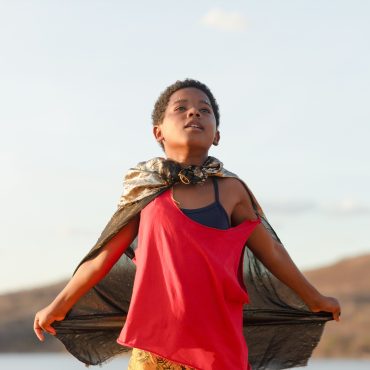
"Gugu's world" by director Allan Deberton is a story of childhood, family bonds, and universal dreams set in rural Brazil. An emotional journey for all ages.
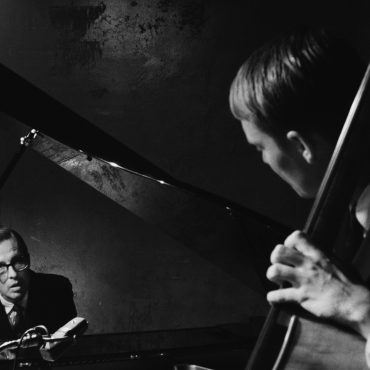
"Everybody Digs Bill Evans" captivates with its style and explores the jazz icon’s complex life, blending visual innovation with heartfelt storytelling and masterful performances.
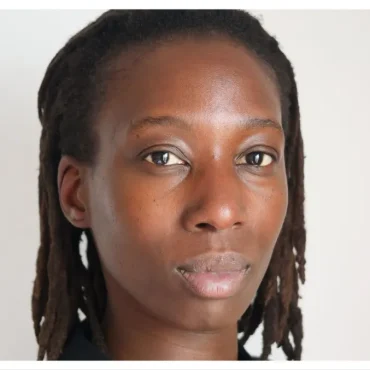
The World Cinema Fund promotes international film diversity and supports local voices amid global challenges. Its director, Sata Cissokho gives us a deeper look into it.
Edinburgh Spanish Film Festival
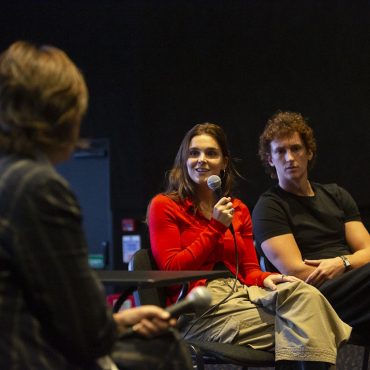
Marian Arechega, director of the vibrant Edinburgh Spanish Film Festival, discusses the 2026 edition programme, showcasing recent and diverse cinema from Spain.
Nicolas Winding Refn on Her Private Hell, his first feature in ten years, in Italian cinemas from October 1.
Discover how EWIP - European Work in Progress connects European and African films with top buyers, boosting distribution and festival success.
Rome is once again expanding the scope of its Film Fest: thirteen days of cinema, international premieres, renowned auteurs, emerging talent, series, documentaries, and cinematic heritage—with Javier Bardem, Paolo Genovese, and Monica Vitti at the heart of an edition that …