

Bari International Film Festival
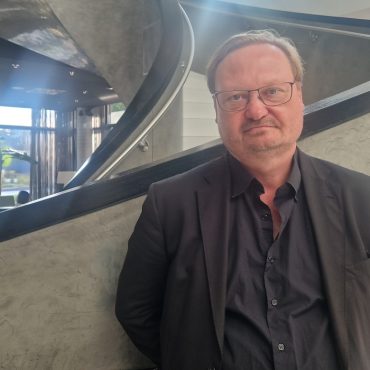
“Afrodite”, intervista al regista Stefano Lorenzi
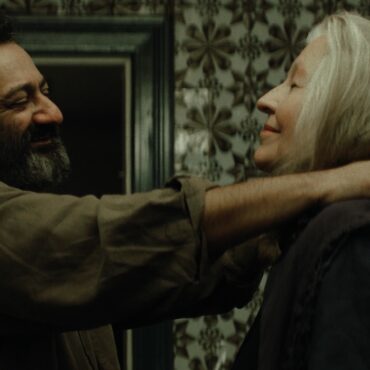
"Ho cercato di ridurre al minimo quello che era il racconto storico. Mi sono soffermato su quello umano tra i tre protagonisti”.
Listeners:
Top listeners:
 play_arrow
ENGLISH Channel 01 If English is your language, or a language you understand, THIS IS YOUR CHANNEL !
 play_arrow
ITALIAN Channel 02 Se l’italiano è la tua lingua, o una lingua che conosci, QUESTO È IL TUO CANALE!
 play_arrow
EXTRA Channel 03 FRED Film Radio channel used to broadcast press conferences, seminars, workshops, master classes, etc.
 play_arrow
GERMAN Channel 04 Wenn Ihre Sprache Deutsch ist, oder Sie diese Sprache verstehen, dann ist das IHR KANAL !
 play_arrow
POLISH Channel 05
 play_arrow
SPANISH Channel 06 Si tu idioma es el español, o es un idioma que conoces, ¡ESTE ES TU CANAL!
 play_arrow
FRENCH Channel 07 Si votre langue maternelle est le français, ou si vous le comprenez, VOICI VOTRE CHAINE !
 play_arrow
PORTUGUESE Channel 08
 play_arrow
ROMANIAN Channel 09 Dacă vorbiţi sau înţelegeţi limba română, ACESTA ESTE CANALUL DUMNEAVOASTRĂ!
 play_arrow
SLOVENIAN Channel 10
 play_arrow
ENTERTAINMENT Channel 11 FRED Film Radio Channel used to broadcast music and live shows from Film Festivals.
 play_arrow
BULGARIAN Channel 16 Ако българският е вашият роден език, или го разбирате, ТОВА Е ВАШИЯТ КАНАЛ !
 play_arrow
CROATIAN Channel 17 Ako je hrvatski tvoj jezik, ili ga jednostavno razumiješ, OVO JE TVOJ KANAL!
 play_arrow
LATVIAN Channel 18
 play_arrow
DANISH Channel 19
 play_arrow
HUNGARIAN Channel 20
 play_arrow
DUTCH Channel 21
 play_arrow
GREEK Channel 22
 play_arrow
CZECH Channel 23
 play_arrow
LITHUANIAN Channel 24
 play_arrow
SLOVAK Channel 25
 play_arrow
ICELANDIC Channel 26 Ef þú talar, eða skilur íslensku, er ÞETTA RÁSIN ÞÍN !
 play_arrow
INDUSTRY Channel 27 FRED Film Radio channel completely dedicated to industry professionals.
 play_arrow
EDUCATION Channel 28 FRED Film Radio channel completely dedicated to film literacy.
 play_arrow
SARDU Channel 29 Si su sardu est sa limba tua, custu est su canale chi ti deghet!
 play_arrow
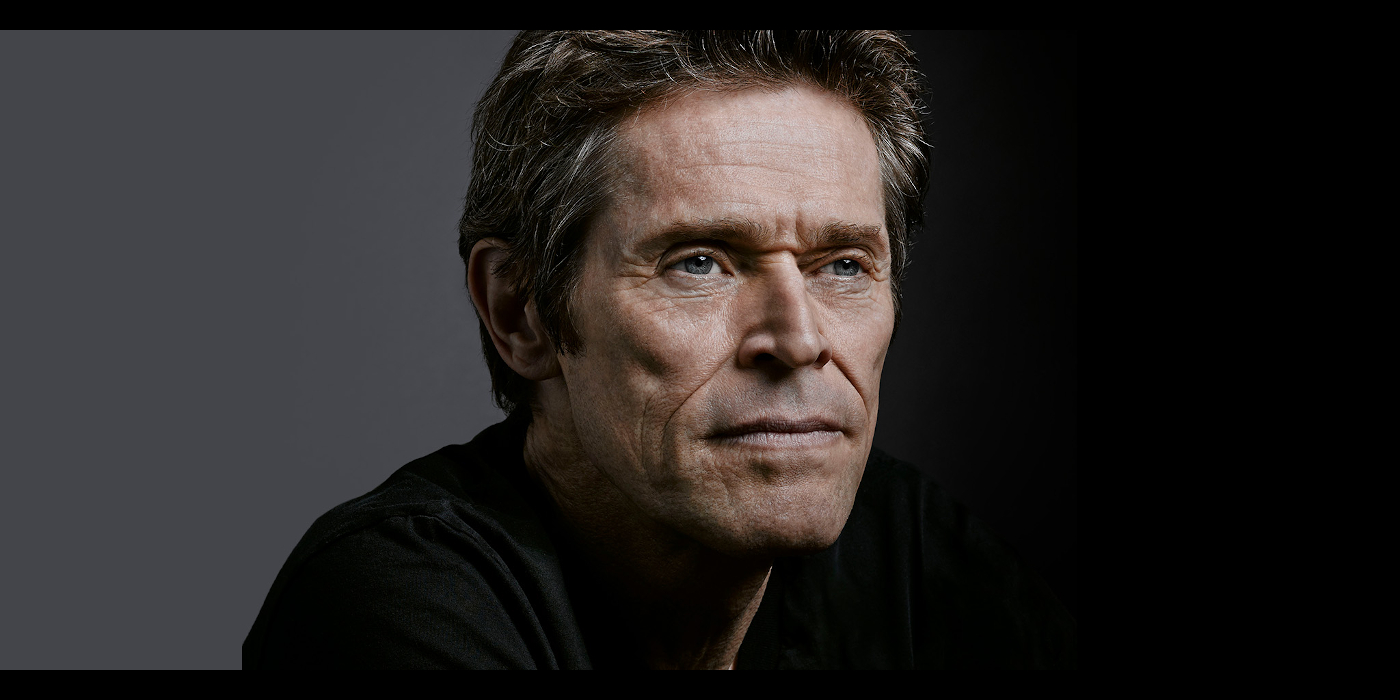
“Conversation with” at the 20th Marrakech IFF, interview with actor Willem Dafoe Bénédicte Prot
 play_arrow
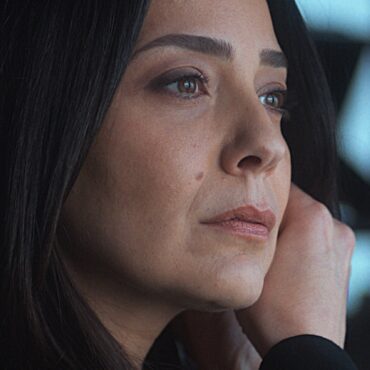
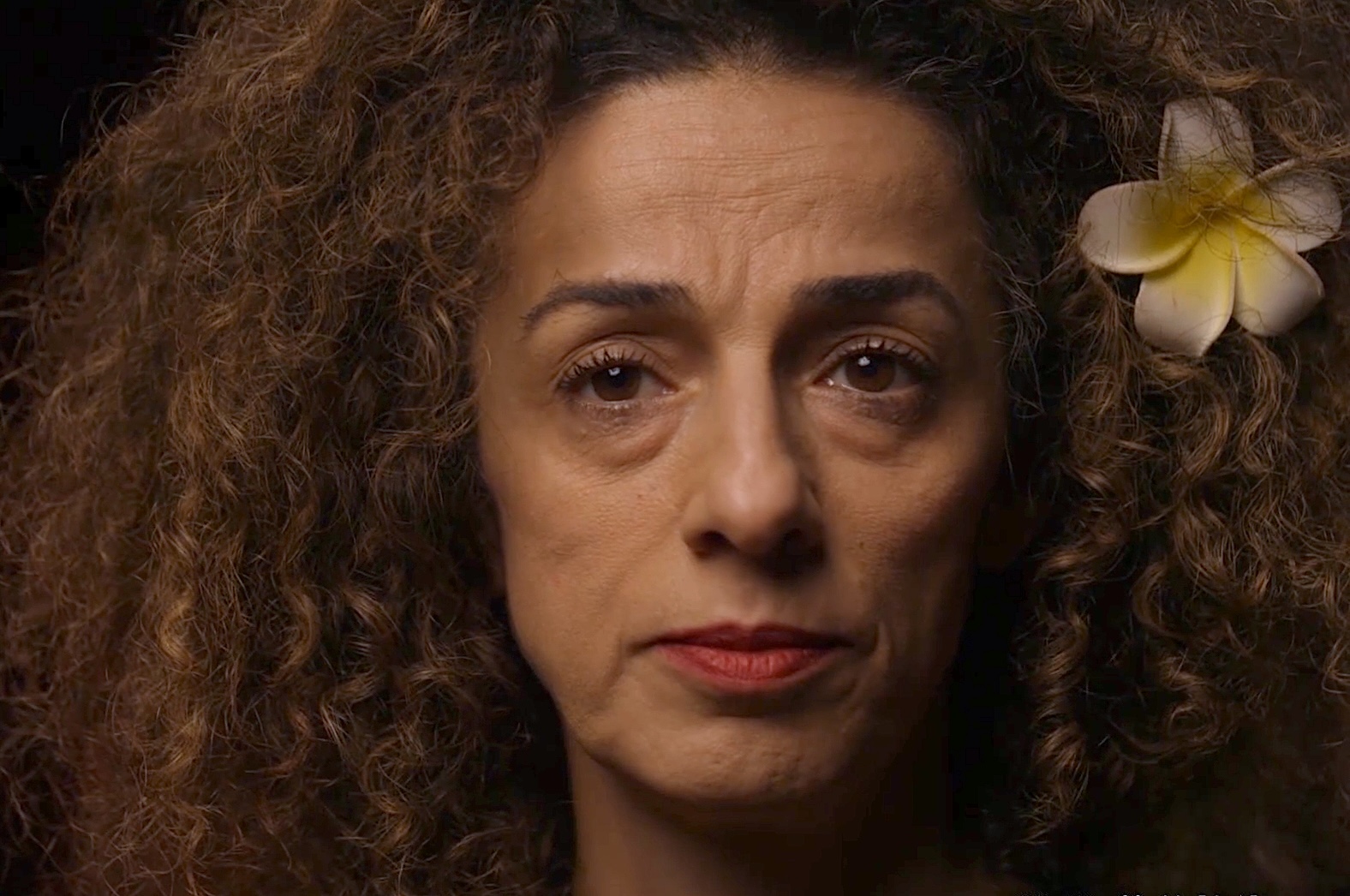
"A War on Women", interview with director Raha Shirazi Federica Scarpa
Presented at the Bari International Film & TV Festival, “A War on Women” by Raha Shirazi reframes the narrative of Iran’s feminist uprising. Rather than depicting it as a sudden revolt, the documentary reveals a resistance shaped across more than four decades of struggle, repression and everyday acts of defiance.
Spanning the 1960s to the present, the film reconstructs a layered history that remains largely unknown outside Iran. Through archival material, clandestine footage and intimate testimonies, Shirazi connects past and present, showing how today’s protests are rooted in a long continuum of activism.
“The whole world has no idea about this movement and how long it has been in the making,” Raha Shirazi explains. The turning point that led her to the project was the death of Mahsa Jina Amini in 2022:“I was stuck to my phone, watching everything unfold. And I realized how little context there was globally”, said Shirazi.
At the core of “A War on Women” lies an intergenerational conversation. The film brings together women from different eras, each carrying distinct experiences of resistance, exile and survival.
What emerges, according to Raha Shirazi, is a striking continuity: “This new generation knows the story of their ancestors. They know where we came from, what we had, what we lost, and what they’re fighting for.”
The director highlights a shift in approach between generations. Earlier activists often believed in gradual reform within the system. Today’s youth, she observes, embody a different energy: “They are incredibly brave. There is a force in them that is undeniable.”
Balancing the intimate and the political is central to the film’s structure. Raha Shirazi rejects the idea of separating the two dimensions: “The political is very personal,” she says. “How we dress, how we speak, even what we eat, everything is political.”
This perspective shapes her filmmaking approach. Rather than constructing a purely analytical narrative, Shirazi foregrounds individual stories, allowing the broader political context to emerge organically. Her role during interviews was deliberately restrained: “I was there to listen. It wasn’t about me. I wanted them to take over the conversation and tell their stories in their own way.”
The documentary includes rare and often clandestine footage shot in Iran, collected through a network of collaborators who remain anonymous for safety reasons. This aspect posed both ethical and practical challenges.
“Of course, they are the ones taking the risk,” Raha Shirazi notes. “I tried to make sure everyone understood what they were doing and felt comfortable.” Despite the danger, many contributors chose to participate, driven by a sense of urgency. “For many, the future already feels uncertain. So they choose to risk something to change it.”
Images play a crucial role in the film’s language. In an era saturated with visual content, Shirazi reflects on their shifting impact. “We are becoming desensitised to images of war,” she says. “So it was important to carefully choose what to show and how to integrate it into the narrative.”
Working on the film also reshaped Raha Shirazi’s relationship with her own identity. The research process brought her closer to Iranian culture, language and internal political complexities. “It helped me understand different perspectives, both inside and outside the country,” she explains.
At a time when Iran is often reduced to geopolitical headlines, “A War on Women” insists on a human dimension, particularly a female one. Shirazi speaks with clarity about this tension. “We are a country everyone wants to have a say in, but at the same time, no one truly helps us achieve freedom.” Yet the film does not surrender to pessimism. Its emotional core is rooted in resilience.
For Raha Shirazi, hope lies in the younger generation. Not only in women, but also in men who increasingly recognise the centrality of women’s rights: “They have understood that until women are free, they will not be free,” she says. “They are willing to stand, to fight, even to die for that.”
"A War on Women" is a documentary that reinterprets the 2022 Iranian uprising, not as a spontaneous uprising, but rather as the powerful eruption of a feminist resistance that has matured over the course of forty years. Whilst the death of 22-year-old Mahsa Amini, which occurred whilst she was in the custody of Iran’s morality police, attracted international attention, the film goes further, bringing to light the long and often overlooked history of the struggle against the world’s only theocratic regime. From the first demonstrations against compulsory veiling in the aftermath of the 1979 Islamic Revolution to the young women risking their lives on the streets today, the narrative weaves together the personal and political journeys of seven extraordinary protagonists.
Bari International Film Festival
"Ho cercato di ridurre al minimo quello che era il racconto storico. Mi sono soffermato su quello umano tra i tre protagonisti”.
Bari International Film Festival
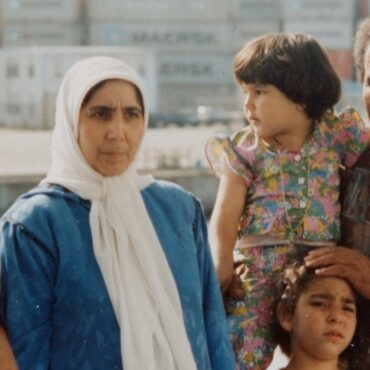
"This film is mostly my journey towards my family and towards my mother"
Bari International Film Festival
"I was displaced in my home. I've never been to Syria and I can't go to it"
Bari International Film Festival
“Sono partito da una storia concreta, ma poi è diventato un mix di tante altre”, racconta Robert Budina parlando di Waterdrop, film presentato nella sezione Meridiana del Bif&st
Edinburgh Spanish Film Festival
Marian Arechega, director of the vibrant Edinburgh Spanish Film Festival, discusses the 2026 edition programme, showcasing recent and diverse cinema from Spain.
Nicolas Winding Refn on Her Private Hell, his first feature in ten years, in Italian cinemas from October 1.
Discover how EWIP - European Work in Progress connects European and African films with top buyers, boosting distribution and festival success.
Rome is once again expanding the scope of its Film Fest: thirteen days of cinema, international premieres, renowned auteurs, emerging talent, series, documentaries, and cinematic heritage—with Javier Bardem, Paolo Genovese, and Monica Vitti at the heart of an edition that …