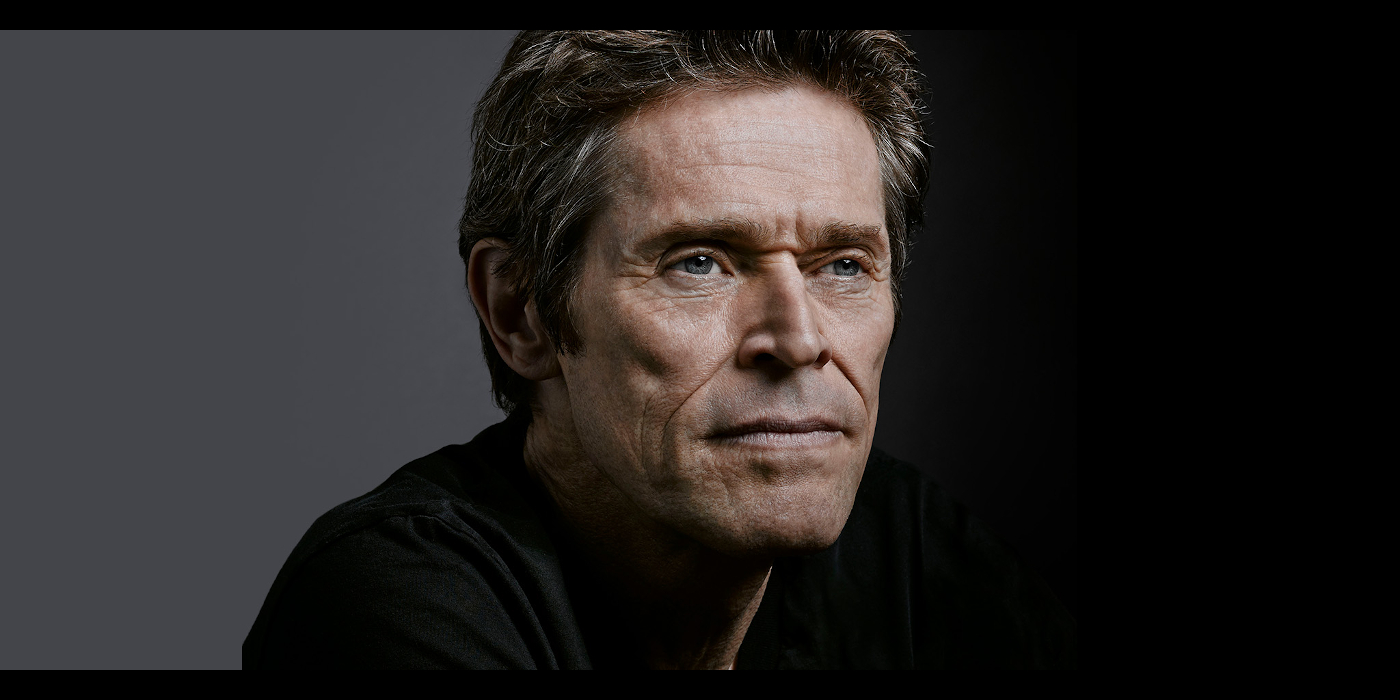
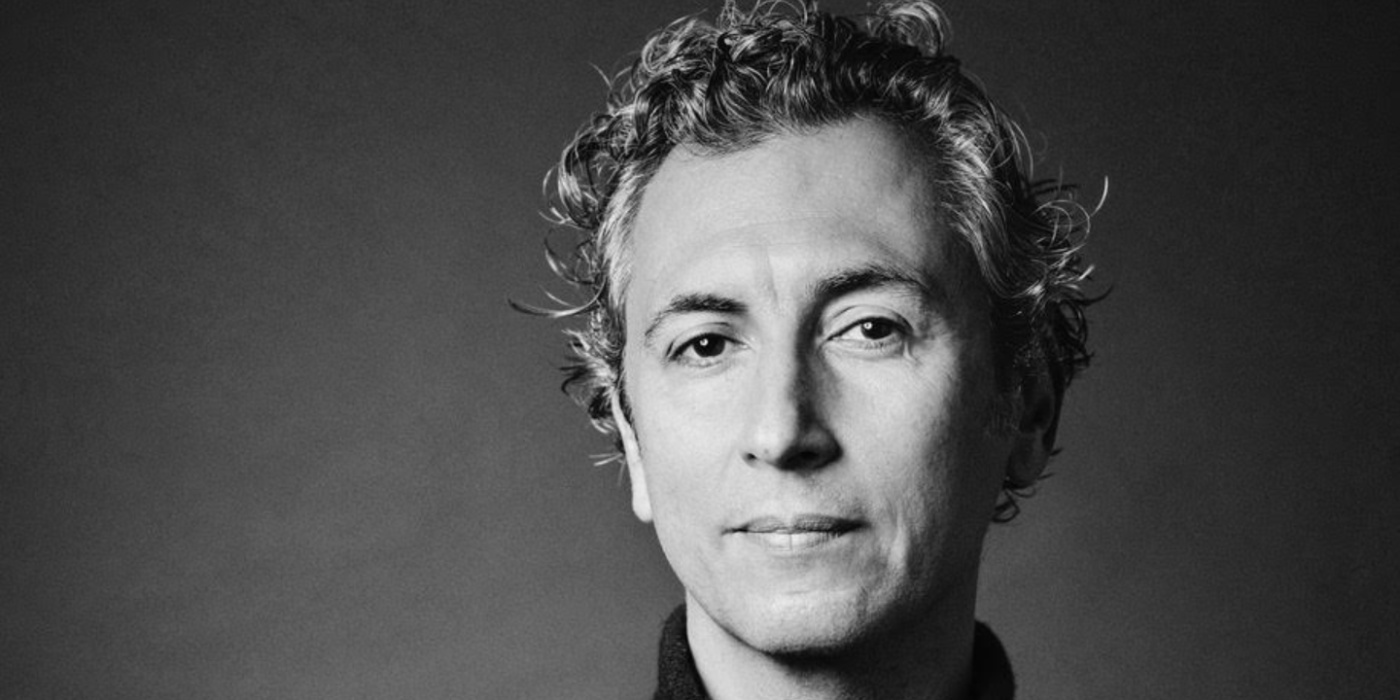
Launched in 2018 and now at its 9th edition, the Atlas Workshops are the heart of the professional programs of the Marrakech International Film Festival. This year, under the patronage of Brazilian director Kleber Mendonça Filho, the Workshops welcome 30 feature films from 14 countries, selected from 410 submissions from the African continent and the Arab world. Hédi Zardi, Head of the Atlas Workshops, talks about a platform that has become a showcase for the region’s cinema, the art of selecting the right project at the right moment, the young talents of Atlas Station and the new voices that give him hope.
A showcase for what comes next
The presentation of this year’s projects, Hédi Zardi says, was met with an enthusiastic response: “The reaction in the room was amazing. It’s a joy for me to see that these bold stories, all this incredible promise of film, are exciting producers, sales agents, distributors. There is a big desire for the stories of the region.” A desire confirmed by the path of the films that went through the Workshops: “Through the years, and especially this very year, we’re seeing a lot of projects that came from the Atlas Workshops getting international recognition. So it means that something is really working.” For the industry, Marrakech has become a place to look ahead: “People come here because the Atlas Workshops are now the showcase of what is coming from the region. Producers, programmers, festivals, distributors come here to see what is next. The cinema of tomorrow, you can find it here. And in our region it’s full of promise: the future is vibrant, it’s colorful, it’s diverse.” What matters most, he adds, is the attention the guests give to the participants: “Time is a luxury now. People don’t have time to discover. So being able to create this curiosity with these guests, and seeing their availability for these projects and young directors, is very promising.”
Director to director
On the choice of Kleber Mendonça Filho as patron of this edition, Hédi Zardi stresses the value of a perspective coming from outside Europe and the United States: “He read their projects, they sent him questions, and he prepared this moment of dialogue. Latin America and Africa have a lot of similarities, and it’s very interesting that we brought an amazing director from another part of the globe, not only American or European. There are big directors all around the world.” An exchange that goes both ways: “It’s funny, because each patron, after the Atlas Workshops, says: I received as much as I gave. They really discover regions, countries, stories. And what is very encouraging in these private sessions is that it’s not a big name with a young talent, it’s a director talking to a director, at the same level, because they share the same passion.”
The right project at the right moment
With the quality of submissions growing every year, selecting has become more and more complex: “This year we have a lot of good projects. The quality is rising everywhere, thanks to the cinema schools of the continent and the region, thanks to the national and regional funds. All the dynamics growing in our regions, we see them in the quality of the projects submitted.” The key question, he explains, is timing: “When we have to choose, we ask ourselves: is it the right moment and the right place for this project to come to the Atlas? Sometimes it’s too early, sometimes it’s too late. Too much lab kills the labs. You need to be in the right place at the right moment to match with the right partners for your film. Otherwise you can spread your energy and the DNA of your talent in too many directions, and lose a little bit of your soul.” Once selected, the participants face an intense week: “The Atlas Workshops are work sessions: they work from 9 to 7, and they have time to reflect on the feedback. We spend the week helping them question themselves. I don’t know if we have the answers, but we question the project and try to find the right questions for it.”
Atlas Station, a new generation without borders
Alongside the Workshops, Atlas Station is dedicated to a new generation of Moroccan producers and to directors with short films: “We help them connect with the international ecosystem of cinema. It’s one of the most vivid sessions you can see, because they are full of life, full of desire. They want to do everything, they’re even ready to do more, they are eating life like an apple.” Connections born here, Hédi Zardi says, become real collaborations: “We know that from Atlas Station collaborations happen: producers who met directors, producers who support other producers. It’s very important to support this new generation of talent and allow them to know each other.” Many of them come from the diaspora: “Even though it’s dedicated to young Moroccan producers, they sometimes come from the diaspora, Moroccans based in the Netherlands, Italy, France, and some from the US come back to Morocco to open a production company. Creativity is crossing borders. They feel connected to the country, to the continent, and they bring another perspective. They are not stuck repeating the same pattern, they are trying to define the new borders of the cinema of tomorrow.”
Human voices
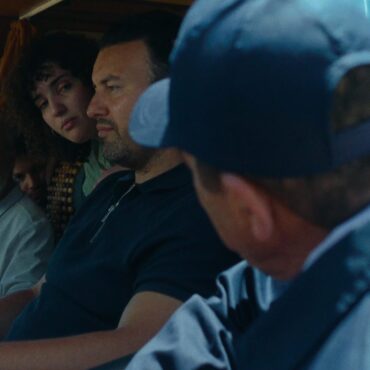
What he is most proud of in this 9th edition is the quality of the short films selected: “It’s difficult to make a short film. I saw beautiful shorts, but above all I saw potential great directors. When I see that there is potential, a possible future, I feel happy. This world needs perspective.” And, in times of artificial intelligence, a reason for hope: “Seeing these new voices with talent, I said: okay, there are still human beings who will tell stories about humanity, and we will not end up watching only films made by AI. There are human voices that have things to say. I saw the images of their films, and they are here. It’s real, and it’s very encouraging.”