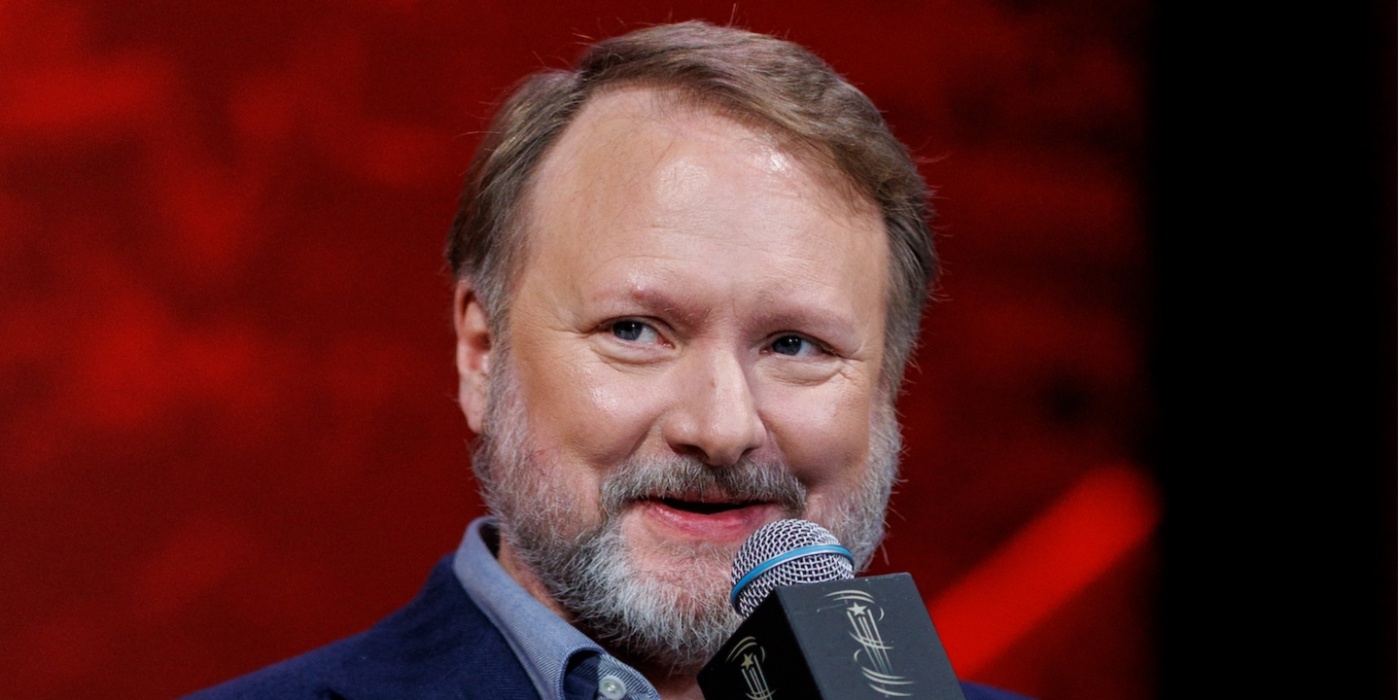
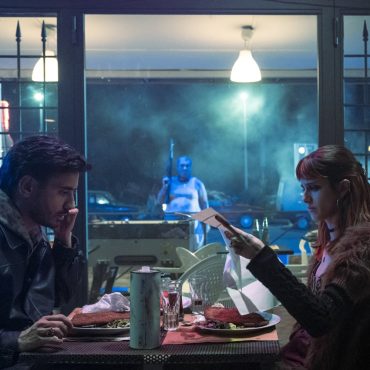
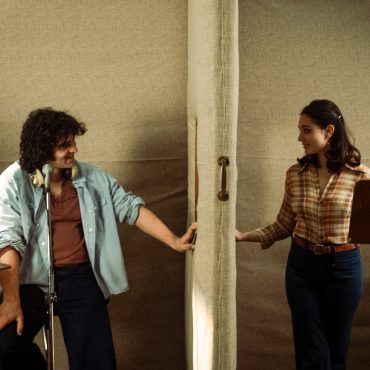
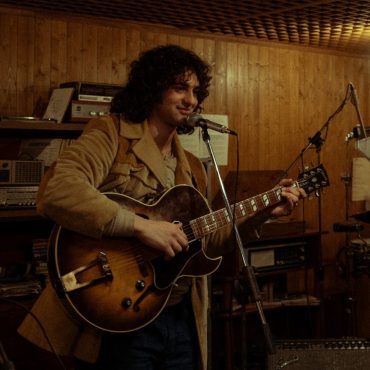
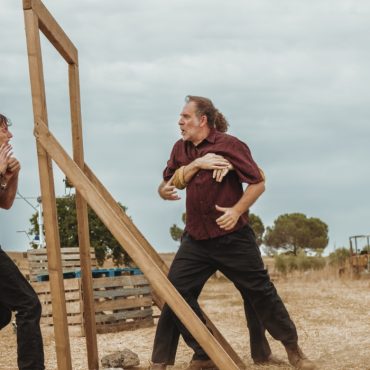
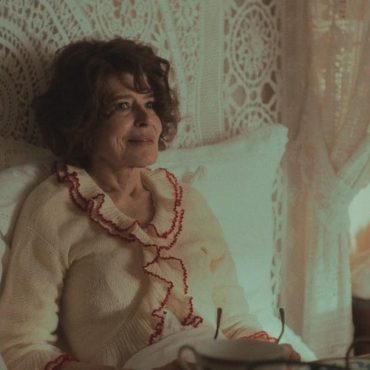
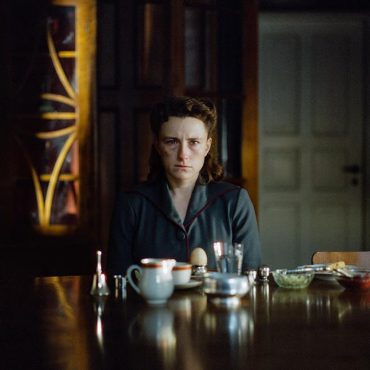
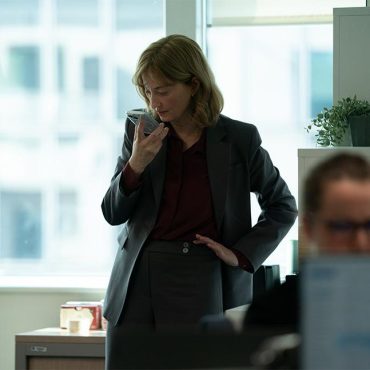
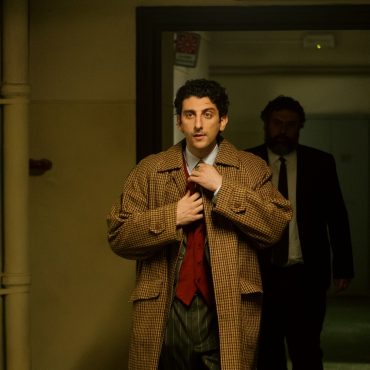
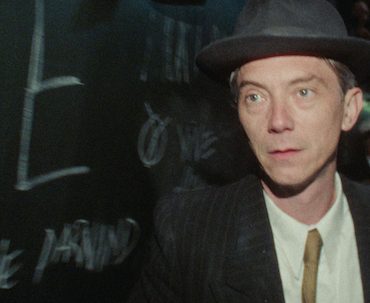
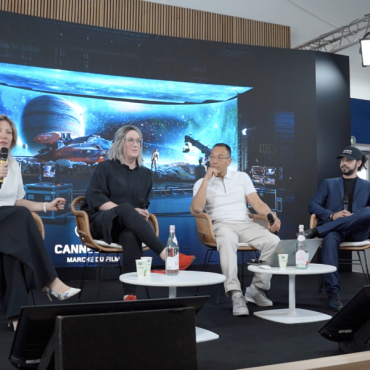
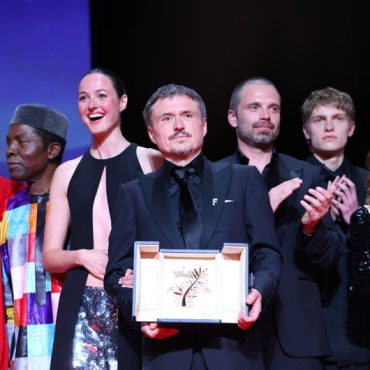
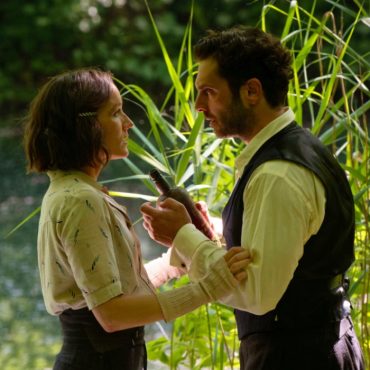
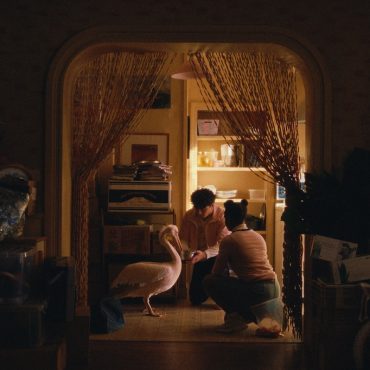
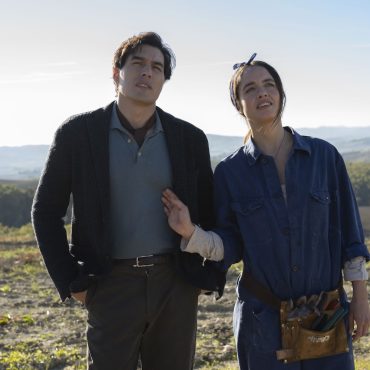
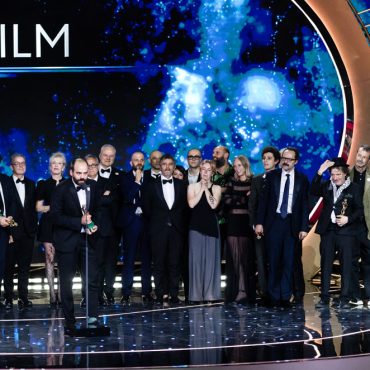
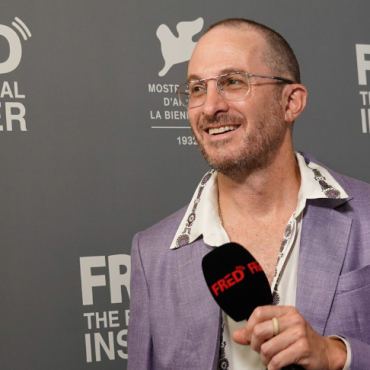
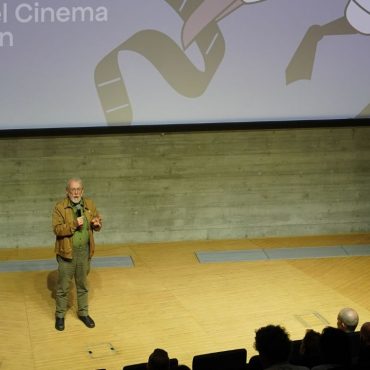
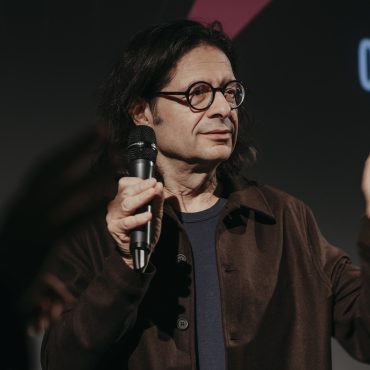
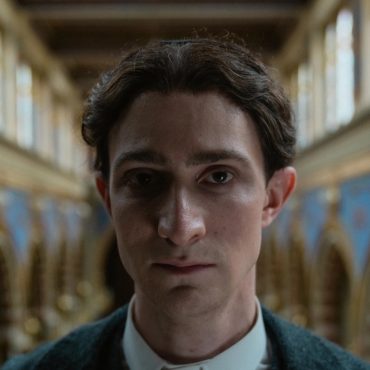
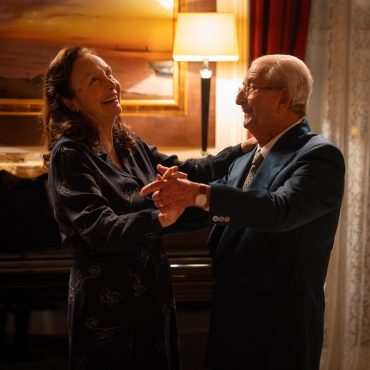
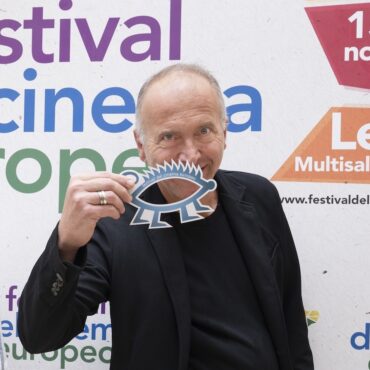
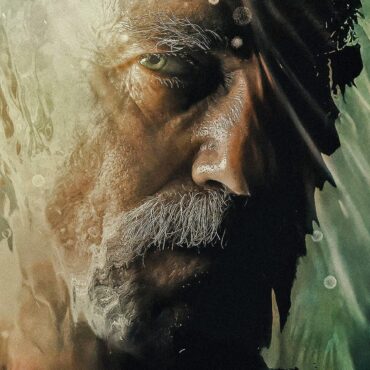
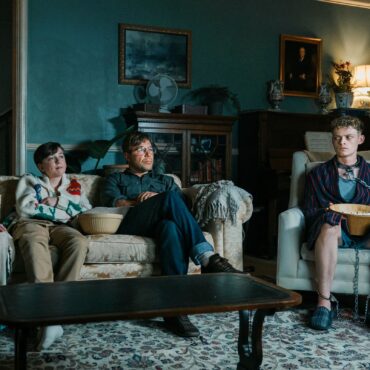
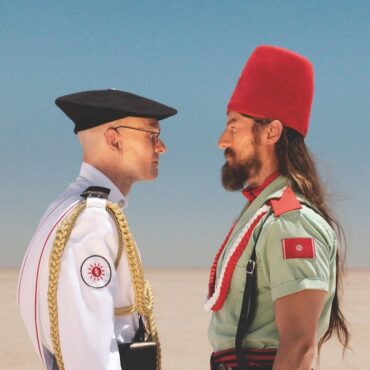
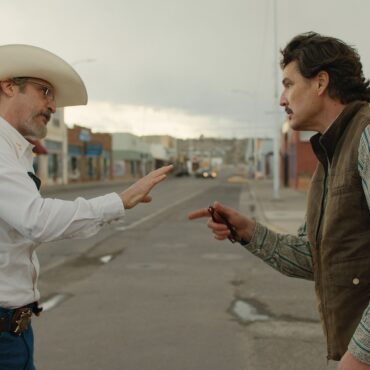
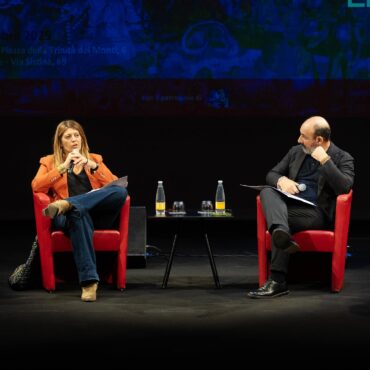
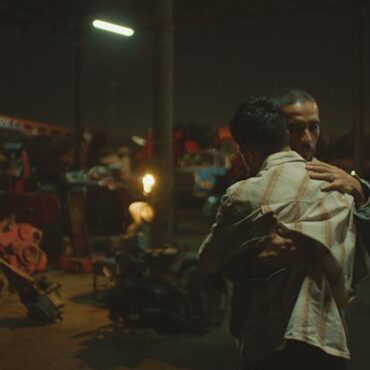
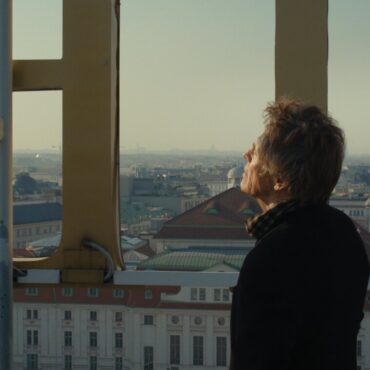
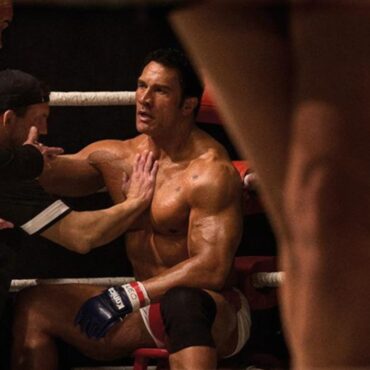
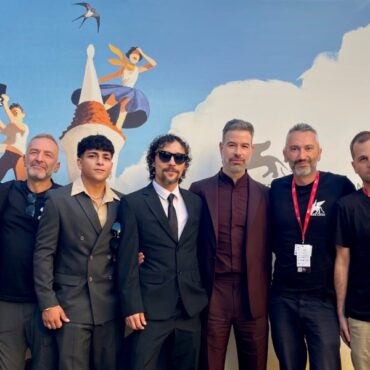
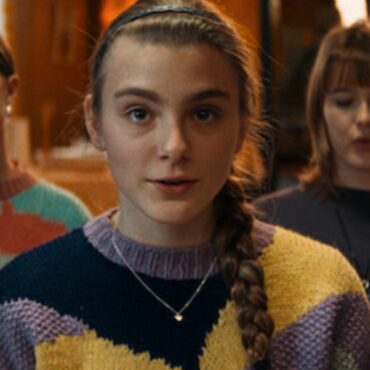
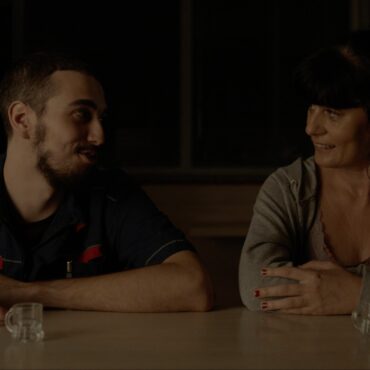
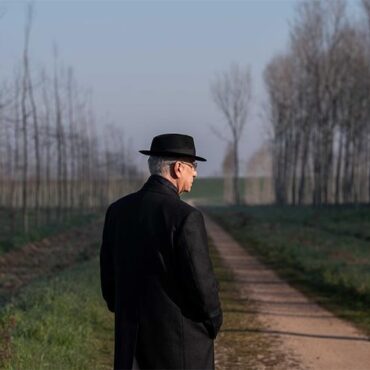
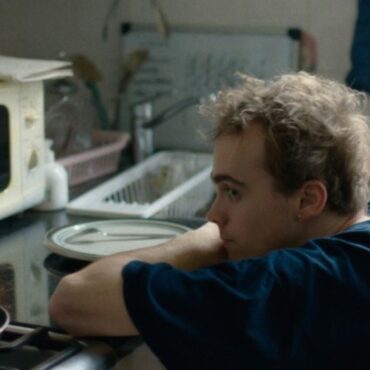
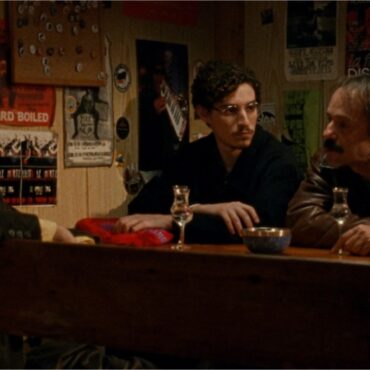
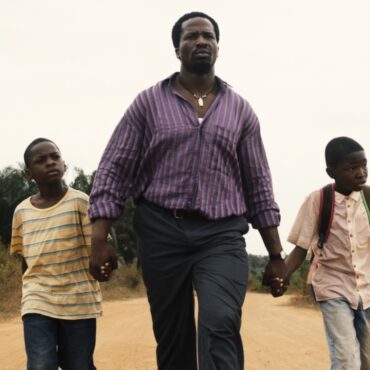
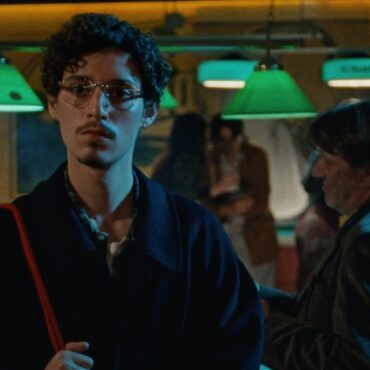
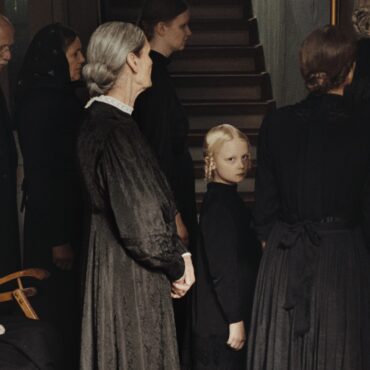
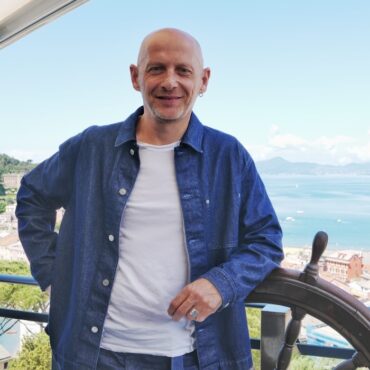
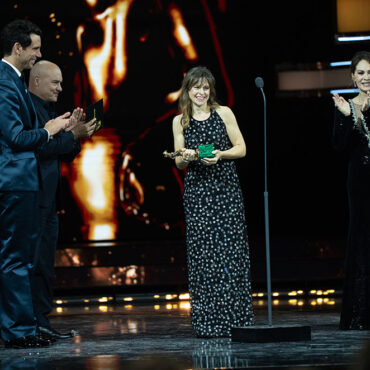
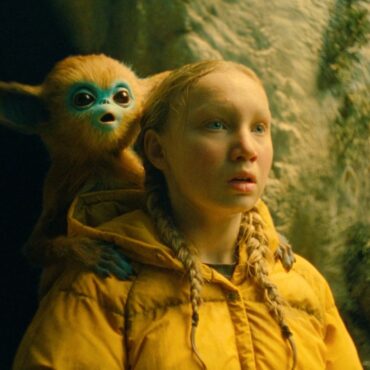
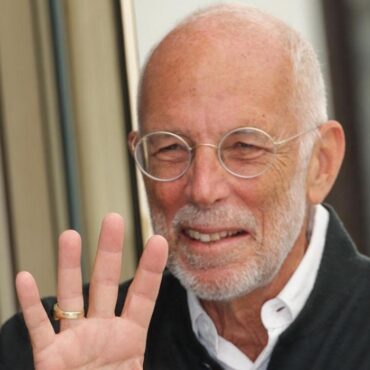
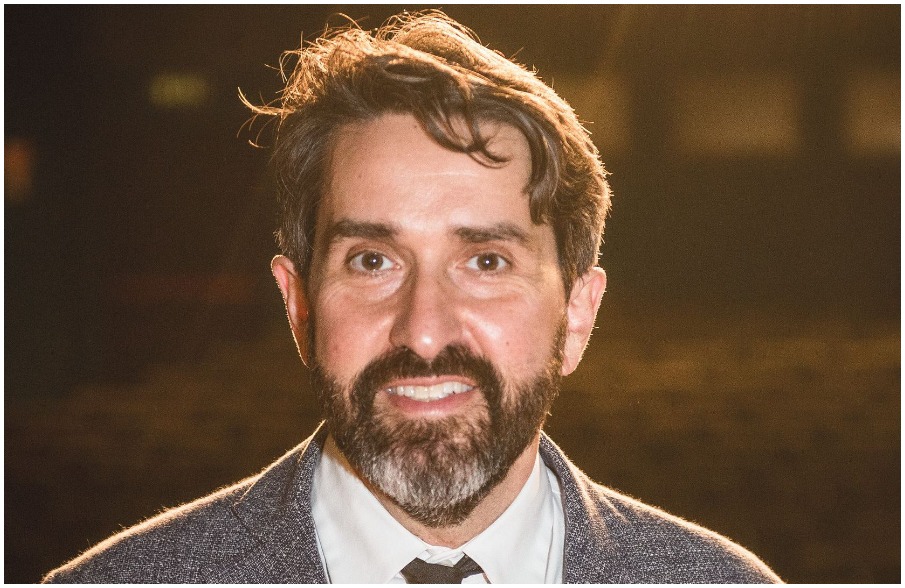
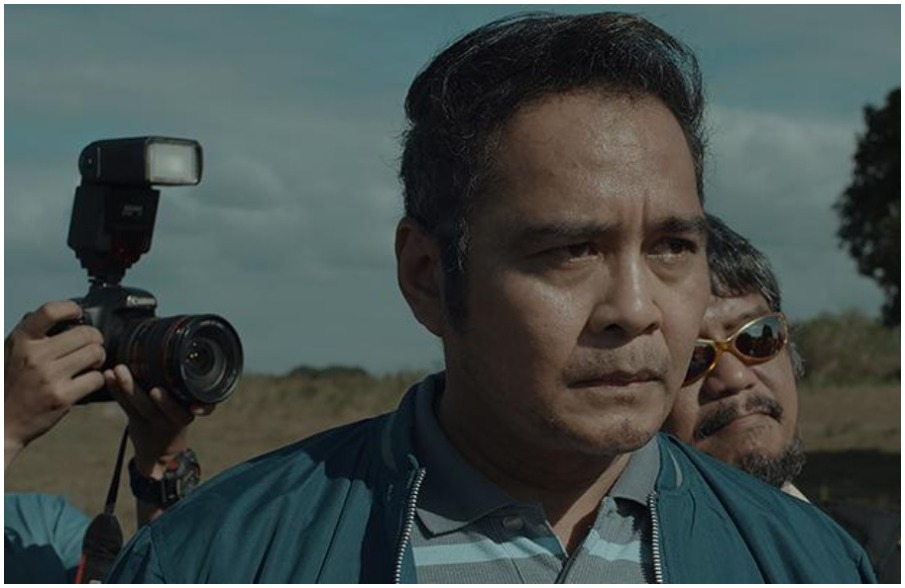
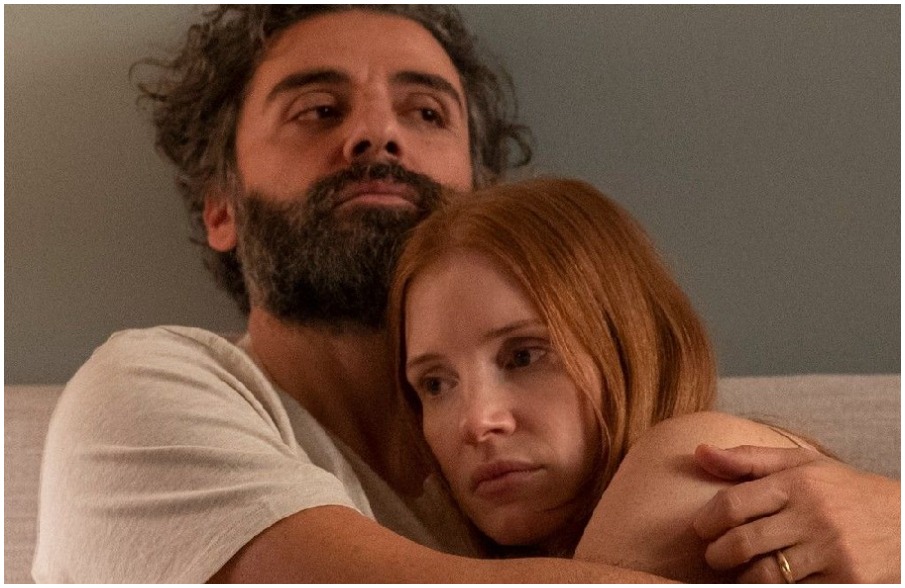
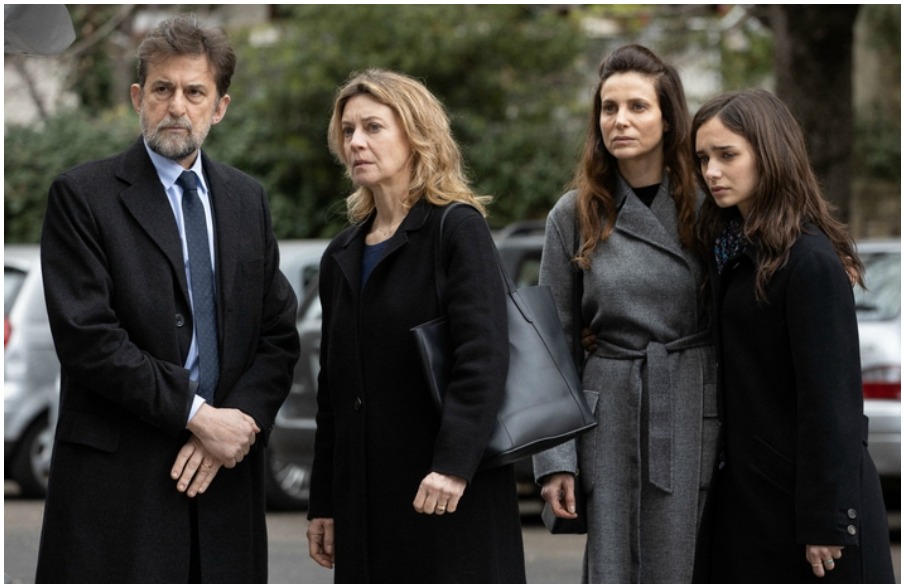
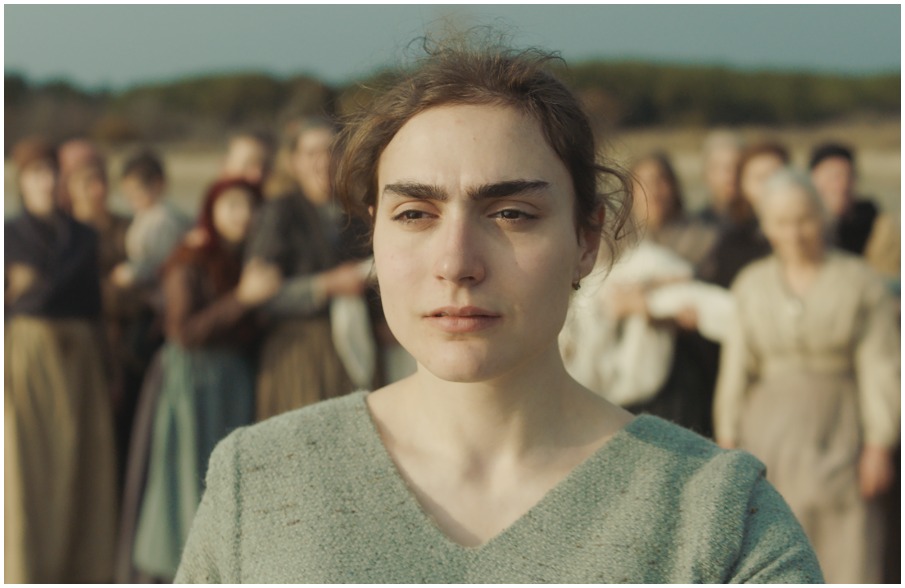
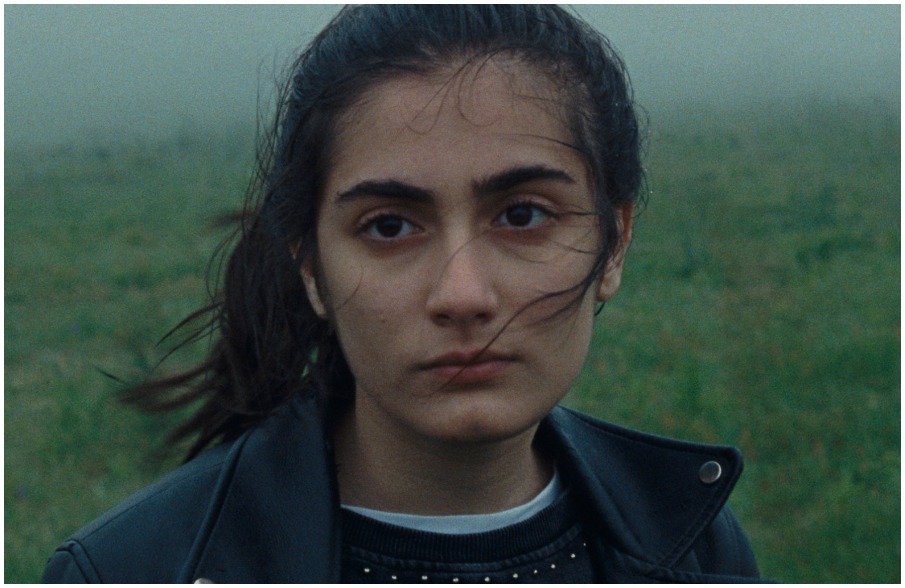
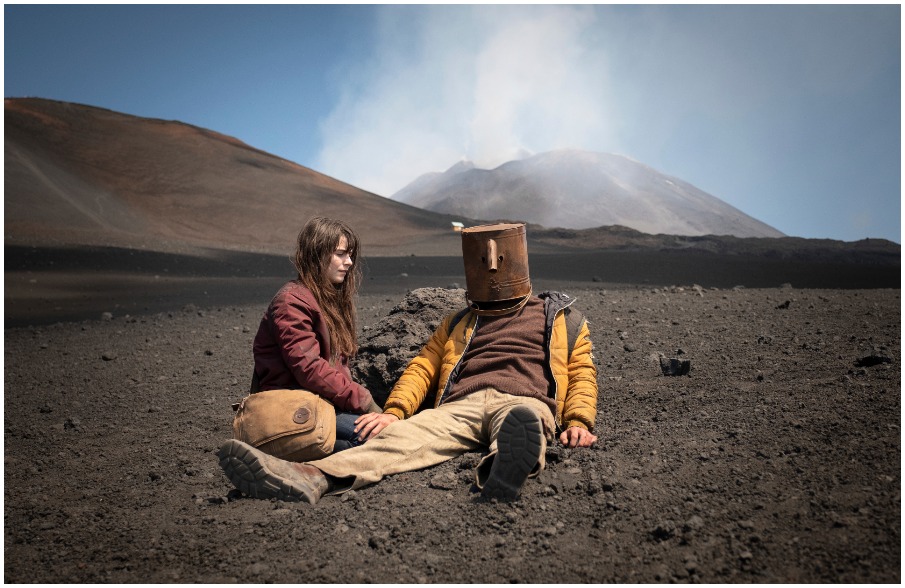
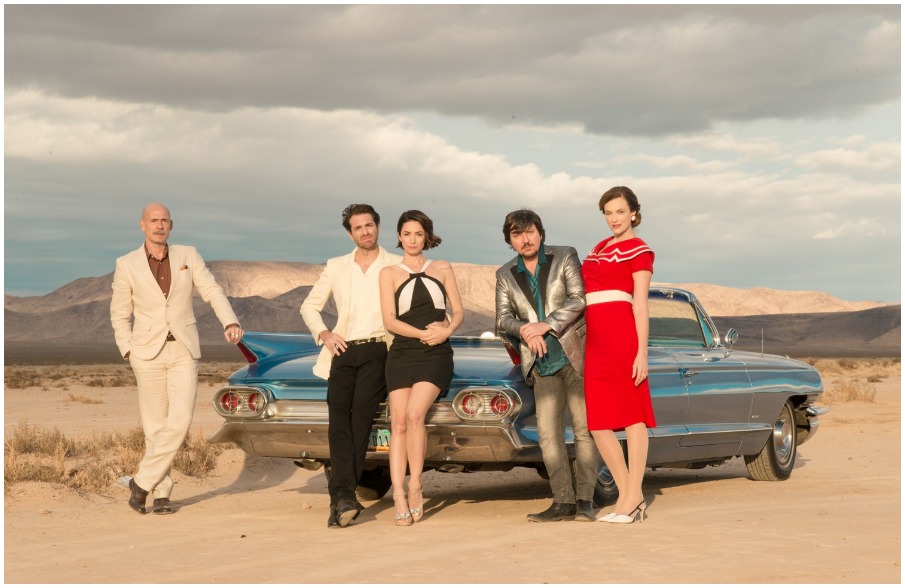
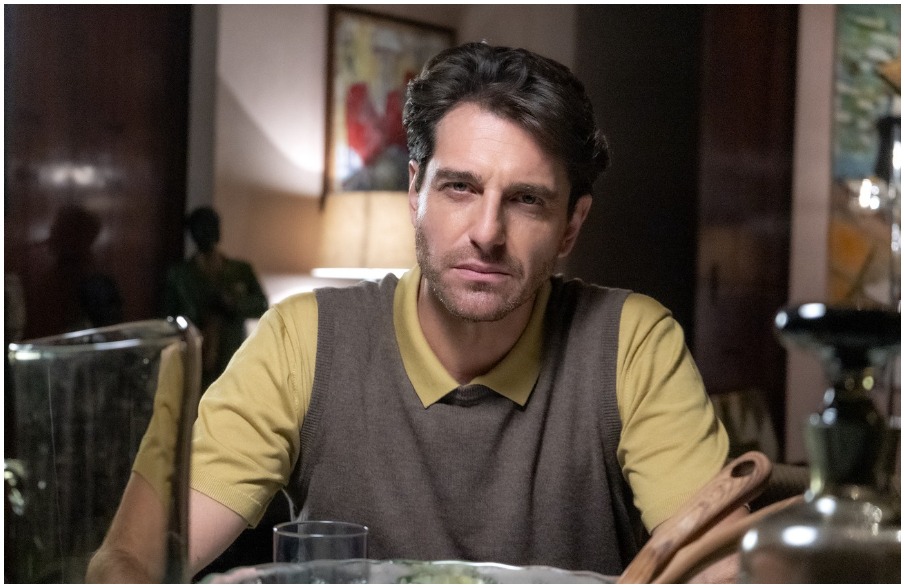
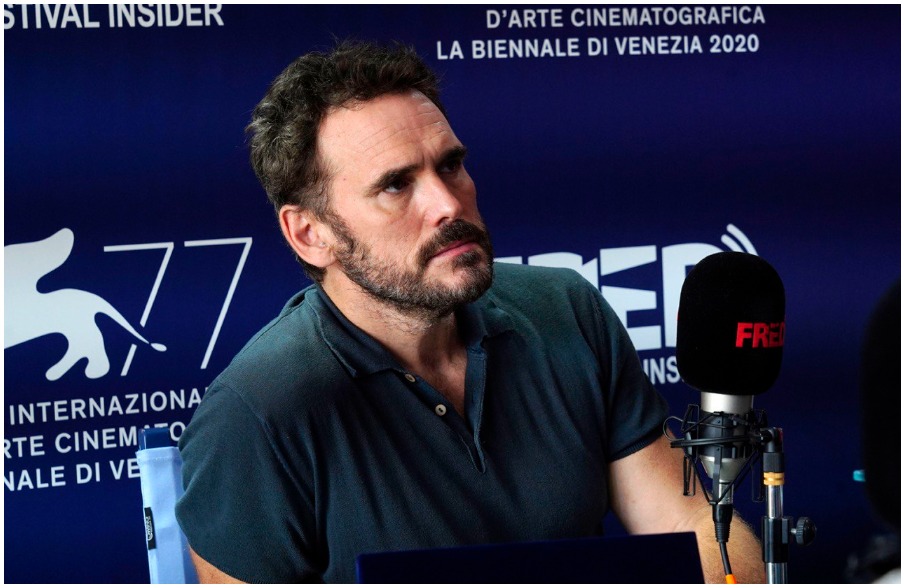
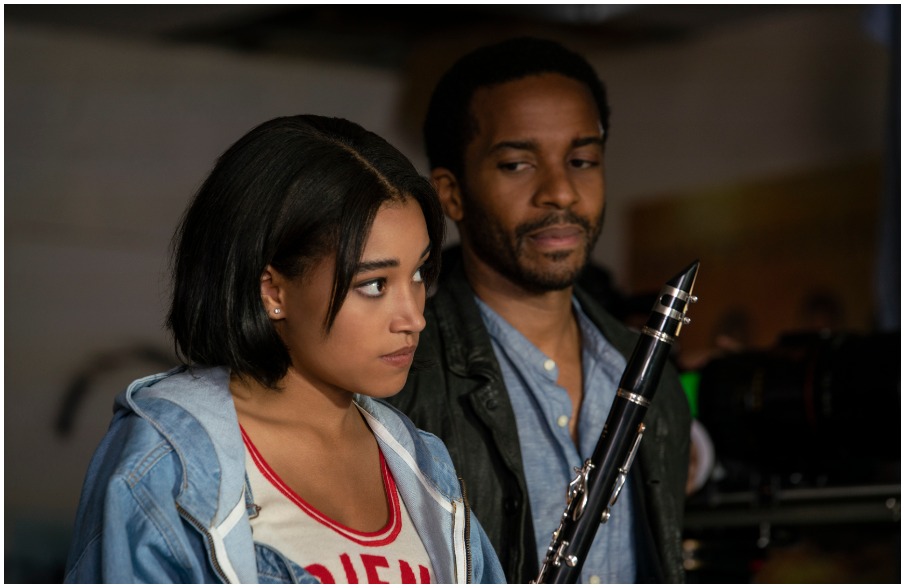
At the 23rd Marrakech International Film Festival 2026, Rian Johnson took part in one of the festival’s Conversations and also came as a producer of The Only Living Pickpocket in New York, with John Turturro. The director of Knives Out and The Last Jedi talks about the power of genre films to capture the present moment, why he chose to produce the work of young filmmakers, the films that taught him the engineering of screenwriting and the greatest lesson he took from George Lucas.
A spike into the heart of the moment
Asked whether genre films are the right way to talk about today’s society, Rian Johnson draws a clear line: “I think they always have. But I want to make a clear distinction: I think genre films, any type of film, is very bad at preaching and telling lessons and morals.” He takes as an example Invasion of the Body Snatchers, remade in different eras: “The first version of the film represented the post-war consumerist conformity with the pod people, while the version made in the 70s spoke to an entirely different feeling of encroaching paranoia. It’s not setting you down and saying: okay, this is the Nixon administration doing this and that. It’s something that strikes terror in you with a very primal image that connects to something happening in society at this moment.” And that, he says, is the direction his work is taking: “Increasingly that’s what I’m interested in: not doing explicitly political work, but doing stuff that’s going to drive a spike into the heart of whatever we’re all feeling in this current moment.”
Producing to learn
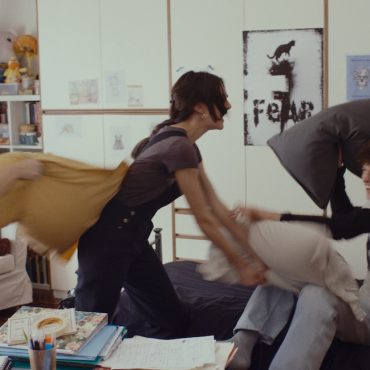
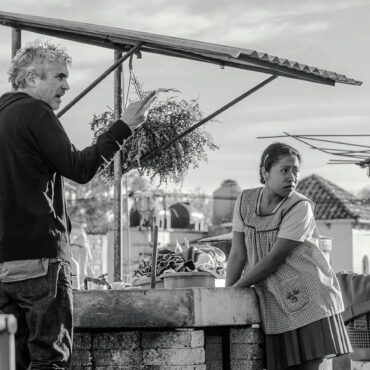
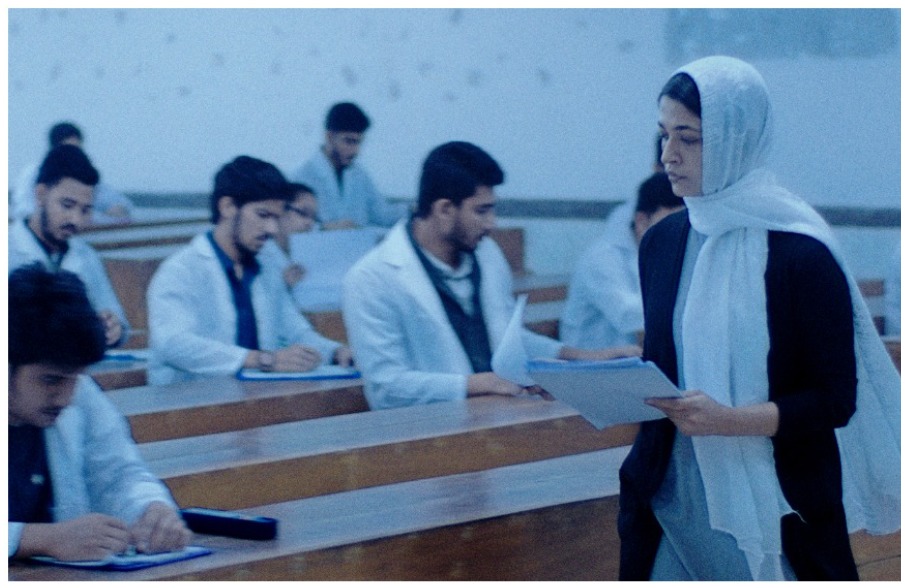
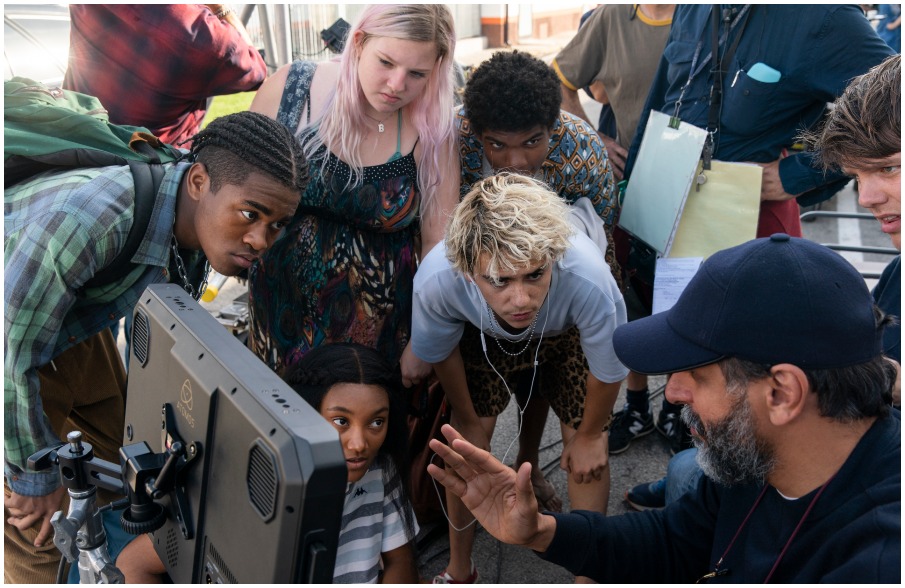
On his decision to work as a producer alongside young directors, Rian Johnson explains that the motivation is the opposite of teaching: “A big part of the motivation was working with young filmmakers who, whether it’s their first or second movie, have a strong voice starting out. Not because I felt I could teach them something, but exactly the opposite. I was interested in getting what I never get as a filmmaker, which is to watch other filmmakers work, specifically filmmakers at the beginning of their career.” To explain it, he recalls an anecdote about Gregg Toland on the set of Citizen Kane: “It was Orson Welles‘ first movie and he didn’t know how movies worked, so he was going around setting the lights himself, which is a big no-no, the DP is supposed to do that. People on the crew were about to correct him, and Toland stopped them, very angry, saying: I’m learning, because he doesn’t know how it’s supposed to work, so he’s figuring out a new path towards what he wants, and that’s teaching me.” The same happens to him: “I feel like I’ve learned watching filmmakers like Noah work, and watching Chloe Domont. For me, it’s nothing but upside.”
The engineering of emotions
As a child, his first loves were “the Amblin movies, Spielberg, Star Wars,” but as a teenager it was another classic that revealed the craft of writing to him: “The first movie where I really investigated the craft of screenwriting was Casablanca. Breaking down that film in terms of how it was told was a big thing for me, realizing: oh, there’s an engineering element to screenplays.” The same goes for Ernst Lubitsch and Alfred Hitchcock: “Lubitsch is somebody I’ve studied in that way: how does he achieve these feelings that feel like they’re made of pure emotion, but are engineered from the beginning? It’s also why I love Hitchcock. I think I maybe have a puzzle-solving brain.”
Swimming upstream, like George Lucas
Rian Johnson spoke with George Lucas while writing and developing The Last Jedi: “He was not actively involved at all, but he was very generous with his time and very gracious in having some conversations with me at the beginning.” The decision not to use the ideas George Lucas had brought to the table, he clarifies, had been made long before his arrival: “So it wasn’t something I talked to him about. I didn’t feel it was my place to start asking him about that.” What he admires most is George Lucas’ ability to go against the current: “It’s incredible the degree to which he has swum upstream in the industry. When all the forces are pushing in one direction, he sees where he wants to go, and even if it’s upstream, he’ll swim there. The original trilogy was revolutionary, but the prequels basically brought about every modern sea change in big-budget filmmaking we have today: extensive blue screen with digital sets, shooting digitally, motion capture and CG characters. When he was doing them, everyone thought he was crazy. And he always did them in the service of telling exactly the story he wanted to tell.” From him comes the greatest lesson: “If you come into Star Wars as a filmmaker thinking: how do I serve this machine?, you’re dead in the water. You have to come in with the same attitude he came in with: I have a story, it’s set in this big world, and I’m going to tell it as powerfully as I possibly can, and it’s going to be personal, coming straight from me.”