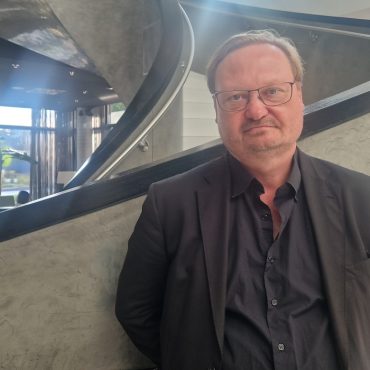
During the 79th edition of the Cannes International FIlm Festival we spoke with director Olivier Clert for the film “Lucy Lost“, presented at the festival among the Special Screenings. The animated feature is an enchanting tale of identity, magic and imagination, exploring how personal life can largely be shaped by external perceptions and combining folklore, animation techniques, and emotional depth to create a unique cinematic experience.
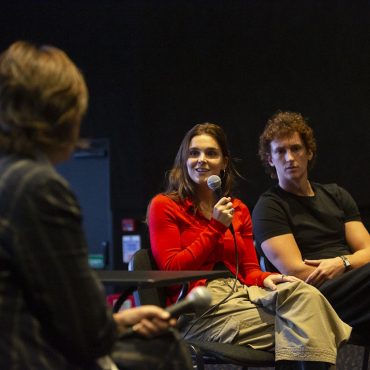
The interview
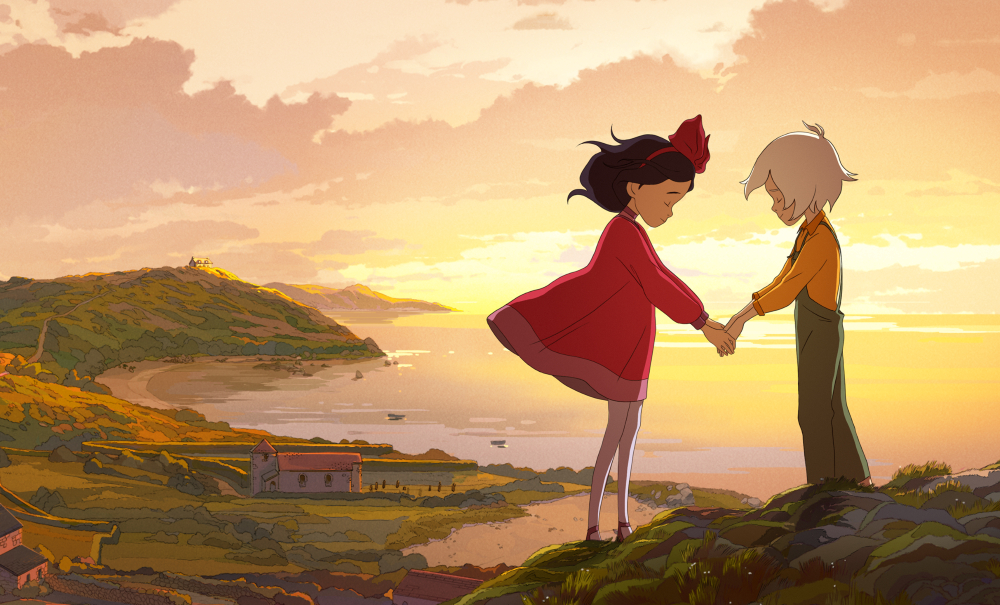
During our interview with FRED Film Radio, director Olivier Clert stated how “Lucy Lost” tries bridging cultural influences from European, American, and Japanese animation, blending digital innovation with traditional techniques and carefully crafting an aesthetic that evokes a fragile, vulnerable atmosphere aligned with the story’s emotional core. The film explores Lucy’s struggle, a white haired girl journey that lives in an ambiguous island where magic may or may not exist, emphasizing the crucial role that imagination has in childhood.
The director Olivier Clert chose to switch several things from the book that “Lucy Lost” is based on, better capturing the essence of childhood’s mysterious bond with the fantastical and stressing the attention also on how human connections are the one thing that can save each other.
By doing so, “Lucy Lost” invites viewers into a world where the universal nature of childhood, wonder and resilience become the key to reach a deeper understanding of ourselves as well as of the world that surround us.
Plot
On the edge of a remote fishing village, Lucy, a mysterious girl with visions no one else can see, meets her secret friend Milly. Together, they set out on a magical quest to uncover the secret behind her mysterious powers.