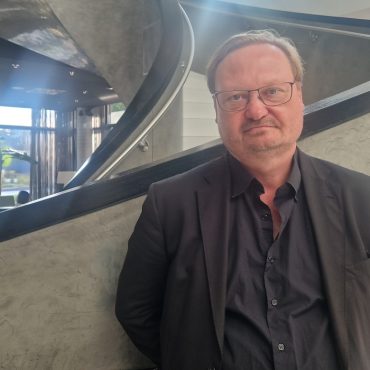

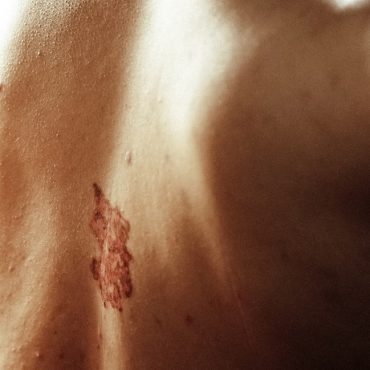
“Original Wound”, interview with the co director Sein Lyan Tun
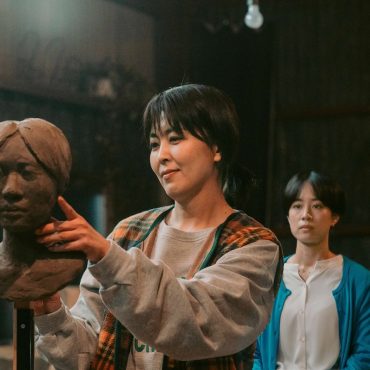
Sein Lyan Tun discusses Original Wound at Cannes 2026, exploring family trauma, memory and emotional violence.
Listeners:
Top listeners:
 play_arrow
ENGLISH Channel 01 If English is your language, or a language you understand, THIS IS YOUR CHANNEL !
 play_arrow
ITALIAN Channel 02 Se l’italiano è la tua lingua, o una lingua che conosci, QUESTO È IL TUO CANALE!
 play_arrow
EXTRA Channel 03 FRED Film Radio channel used to broadcast press conferences, seminars, workshops, master classes, etc.
 play_arrow
GERMAN Channel 04 Wenn Ihre Sprache Deutsch ist, oder Sie diese Sprache verstehen, dann ist das IHR KANAL !
 play_arrow
POLISH Channel 05
 play_arrow
SPANISH Channel 06 Si tu idioma es el español, o es un idioma que conoces, ¡ESTE ES TU CANAL!
 play_arrow
FRENCH Channel 07 Si votre langue maternelle est le français, ou si vous le comprenez, VOICI VOTRE CHAINE !
 play_arrow
PORTUGUESE Channel 08
 play_arrow
ROMANIAN Channel 09 Dacă vorbiţi sau înţelegeţi limba română, ACESTA ESTE CANALUL DUMNEAVOASTRĂ!
 play_arrow
SLOVENIAN Channel 10
 play_arrow
ENTERTAINMENT Channel 11 FRED Film Radio Channel used to broadcast music and live shows from Film Festivals.
 play_arrow
BULGARIAN Channel 16 Ако българският е вашият роден език, или го разбирате, ТОВА Е ВАШИЯТ КАНАЛ !
 play_arrow
CROATIAN Channel 17 Ako je hrvatski tvoj jezik, ili ga jednostavno razumiješ, OVO JE TVOJ KANAL!
 play_arrow
LATVIAN Channel 18
 play_arrow
DANISH Channel 19
 play_arrow
HUNGARIAN Channel 20
 play_arrow
DUTCH Channel 21
 play_arrow
GREEK Channel 22
 play_arrow
CZECH Channel 23
 play_arrow
LITHUANIAN Channel 24
 play_arrow
SLOVAK Channel 25
 play_arrow
ICELANDIC Channel 26 Ef þú talar, eða skilur íslensku, er ÞETTA RÁSIN ÞÍN !
 play_arrow
INDUSTRY Channel 27 FRED Film Radio channel completely dedicated to industry professionals.
 play_arrow
EDUCATION Channel 28 FRED Film Radio channel completely dedicated to film literacy.
 play_arrow
SARDU Channel 29 Si su sardu est sa limba tua, custu est su canale chi ti deghet!
 play_arrow
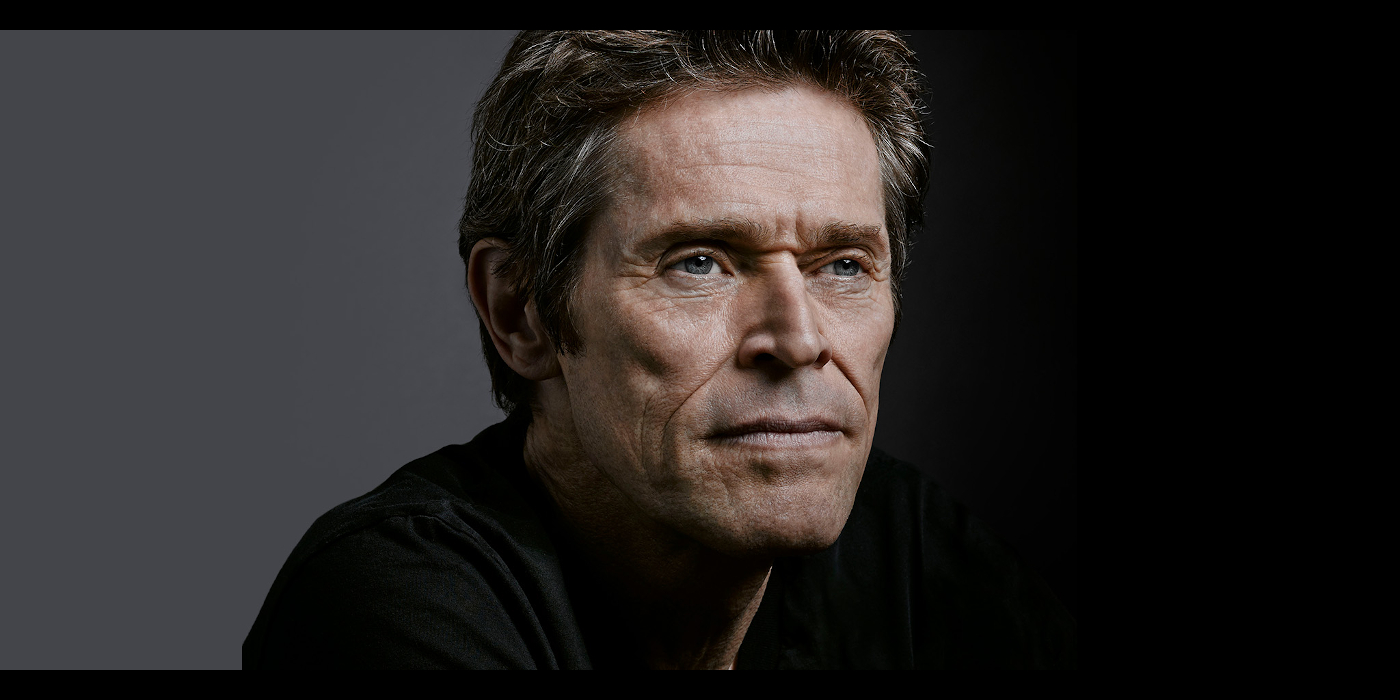
“Conversation with” at the 20th Marrakech IFF, interview with actor Willem Dafoe Bénédicte Prot
 play_arrow
"Nostalgia for the future", interview with the director Brecht Debackere Angelo Acerbi
“Nostalgia for the Future” starts from the archives of Chris Marker, pivotal figure in modern filmmaking, that are partially disclosed. The director Brecth Debackere talks with us about his approach to that material and the way he decided to tell the story of Chris Marker from his archives, not in a classic way, for sure.
The phrase “Nostalgia for the Future” captures a compelling tension between longing for what has been and hopeful anticipation of what is yet to come. Modern filmmakers invoke this concept by referencing historical archives and personal histories while simultaneously questioning the direction of future society. Such films serve as reflections, urging audiences to consider how past and future continuously shape our present experiences. This theme has become increasingly relevant in a world where rapid technological change prompts us to revisit memories while dreaming ahead.
A key aspect of “Nostalgia for the Future” involves the creative use of archives and historical materials. Brecth Debackere often incorporates vintage footage, personal letters, and photographs to construct layered narratives that challenge traditional storytelling. By doing so, he offers viewers a chance to revisit bygone eras while contemplating what lies ahead. The process of working with archival content highlights the fluidity of memory and underscores the idea that our identities are shaped by both history and forward-looking aspirations.
Combining visual archives with voices and writings of thinkers like Chris Marker, Brecth Debackere invites audiences to explore the complex layers of human experience. This approach underscores the notion that understanding oneself involves a continuous dialogue between what has been and what could be. It reminds us that our relationship with time is multifaceted, blending a fondness for the past with an optimistic gaze toward the horizon. As filmmakers continue to experiment with archival materials and philosophical insights, they invite us all to reflect on how we shape and are shaped by the interplay of memory and aspiration.
Guided by the narration of Charlotte Rampling, Nostalgia for the Future is a descent into the labyrinthine world of Chris Marker, the “best-known author of unknown films,” who spent a lifetime concealing himself behind a veil of pseudonyms and images of cats. Moving through a constellation of personal documents and film fragments, an archivist attempts to decode the man through the material traces he left behind.
By repurposing and recontextualizing Marker’s own body of work, the film treats his images as “time machines,” transforming the archive into a landscape of living memory. Nostalgia for the Future is a meditation on memory, identity, and the power our past images hold over the futures we imagine.
Sein Lyan Tun discusses Original Wound at Cannes 2026, exploring family trauma, memory and emotional violence.
In Cannes, Koji Fukada discusses Nagi Notes, a film about loneliness, artistic observation and the invisible tensions connecting rural Japan to the wider world.
Emma Barboni of Emilia Romagna Film Commission presents us all the actions through which the institution boosts regional film production, festivals, and international co-productions, fostering Italy's vibrant audiovisual ecosystem.
We discover, through the words of its director Alessandro Voglino, how the Film Commission Abruzzo is revitalizing the region’s cinema industry with €4M funding, fostering local talent, and attracting international productions.
Edinburgh Spanish Film Festival
Marian Arechega, director of the vibrant Edinburgh Spanish Film Festival, discusses the 2026 edition programme, showcasing recent and diverse cinema from Spain.
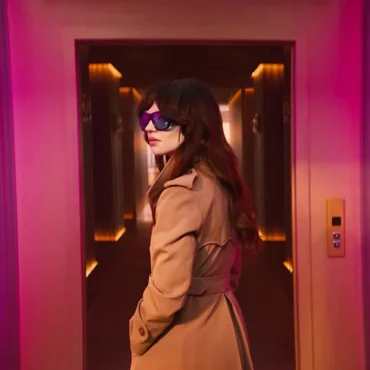
Nicolas Winding Refn on Her Private Hell, his first feature in ten years, in Italian cinemas from October 1.
Discover how EWIP - European Work in Progress connects European and African films with top buyers, boosting distribution and festival success.
Rome is once again expanding the scope of its Film Fest: thirteen days of cinema, international premieres, renowned auteurs, emerging talent, series, documentaries, and cinematic heritage—with Javier Bardem, Paolo Genovese, and Monica Vitti at the heart of an edition that …