

Zsuzsanna Király, interview with the new creative director of MASO #3 at the 39th Bolzano Film Festival
With its third edition, MASO confirms its place as one of Europe's most unique short film training programmes — and opens its doors to the world.
Listeners:
Top listeners:
 play_arrow
ENGLISH Channel 01 If English is your language, or a language you understand, THIS IS YOUR CHANNEL !
 play_arrow
ITALIAN Channel 02 Se l’italiano è la tua lingua, o una lingua che conosci, QUESTO È IL TUO CANALE!
 play_arrow
EXTRA Channel 03 FRED Film Radio channel used to broadcast press conferences, seminars, workshops, master classes, etc.
 play_arrow
GERMAN Channel 04 Wenn Ihre Sprache Deutsch ist, oder Sie diese Sprache verstehen, dann ist das IHR KANAL !
 play_arrow
POLISH Channel 05
 play_arrow
SPANISH Channel 06 Si tu idioma es el español, o es un idioma que conoces, ¡ESTE ES TU CANAL!
 play_arrow
FRENCH Channel 07 Si votre langue maternelle est le français, ou si vous le comprenez, VOICI VOTRE CHAINE !
 play_arrow
PORTUGUESE Channel 08
 play_arrow
ROMANIAN Channel 09 Dacă vorbiţi sau înţelegeţi limba română, ACESTA ESTE CANALUL DUMNEAVOASTRĂ!
 play_arrow
SLOVENIAN Channel 10
 play_arrow
ENTERTAINMENT Channel 11 FRED Film Radio Channel used to broadcast music and live shows from Film Festivals.
 play_arrow
BULGARIAN Channel 16 Ако българският е вашият роден език, или го разбирате, ТОВА Е ВАШИЯТ КАНАЛ !
 play_arrow
CROATIAN Channel 17 Ako je hrvatski tvoj jezik, ili ga jednostavno razumiješ, OVO JE TVOJ KANAL!
 play_arrow
LATVIAN Channel 18
 play_arrow
DANISH Channel 19
 play_arrow
HUNGARIAN Channel 20
 play_arrow
DUTCH Channel 21
 play_arrow
GREEK Channel 22
 play_arrow
CZECH Channel 23
 play_arrow
LITHUANIAN Channel 24
 play_arrow
SLOVAK Channel 25
 play_arrow
ICELANDIC Channel 26 Ef þú talar, eða skilur íslensku, er ÞETTA RÁSIN ÞÍN !
 play_arrow
INDUSTRY Channel 27 FRED Film Radio channel completely dedicated to industry professionals.
 play_arrow
EDUCATION Channel 28 FRED Film Radio channel completely dedicated to film literacy.
 play_arrow
SARDU Channel 29 Si su sardu est sa limba tua, custu est su canale chi ti deghet!
 play_arrow
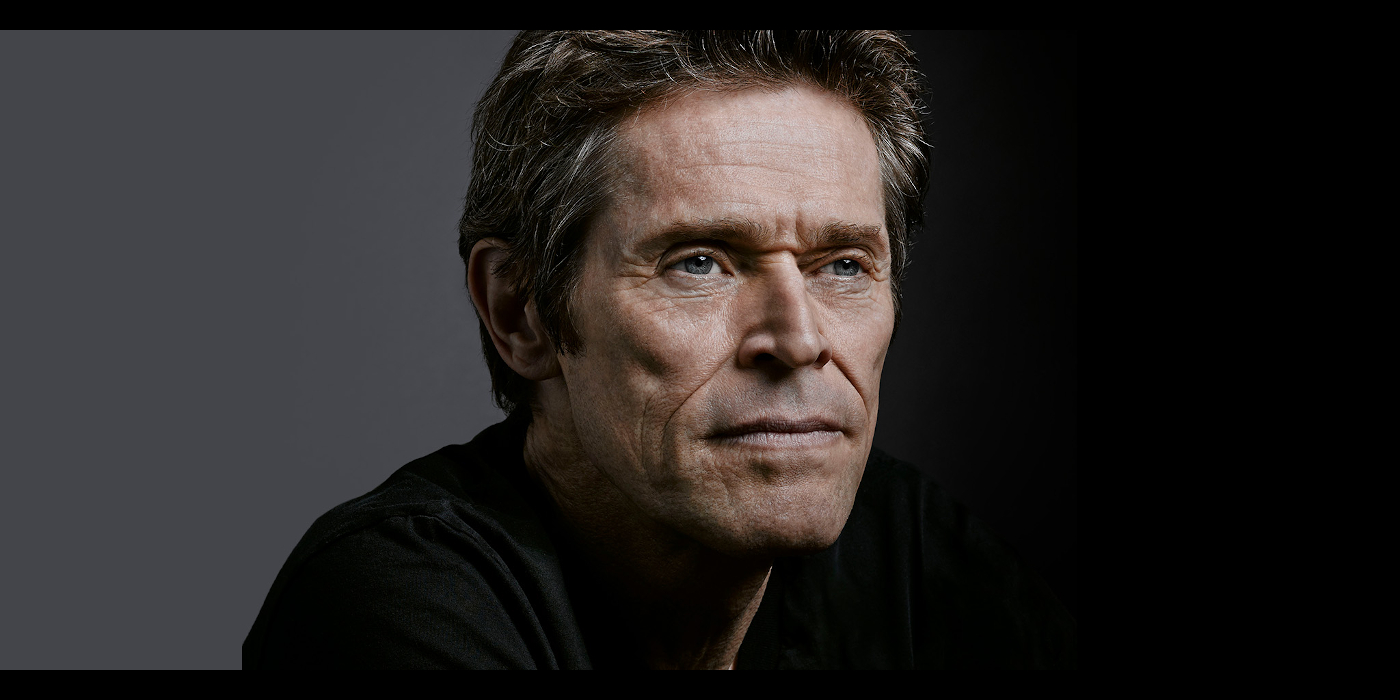
“Conversation with” at the 20th Marrakech IFF, interview with actor Willem Dafoe Bénédicte Prot
 play_arrow
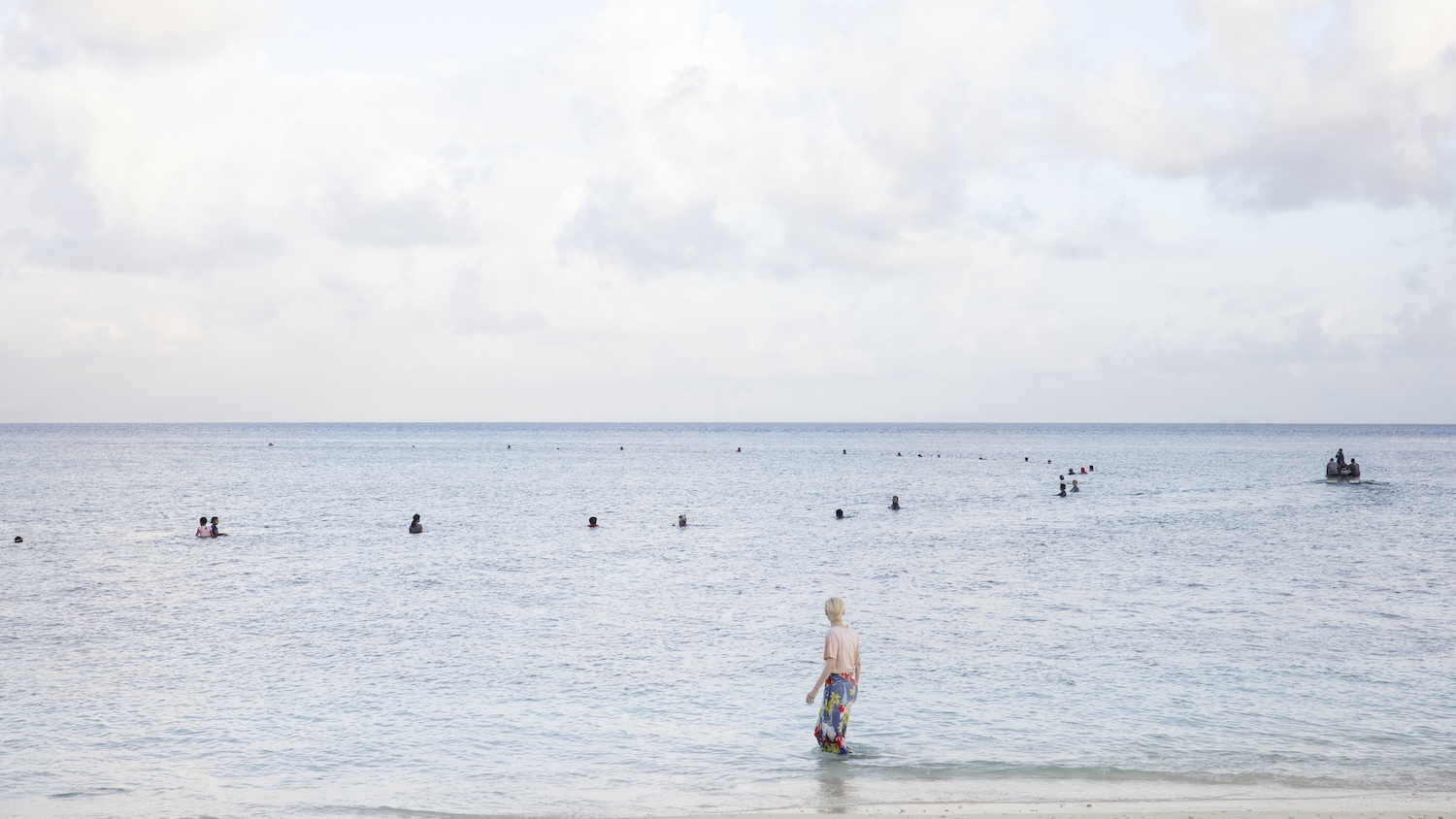
“Heart of Light — Eleven Songs for Fiji”, interview with director Cynthia Beatt Chiara Nicoletti
Presented in the RealeNonReale section of the 39th Bolzano Film Festival Bozen, “Heart of Light — Eleven Songs for Fiji” is the latest work by filmmaker Cynthia Beatt, born in Jamaica and raised partly on Fiji, now based in Berlin for decades. The film had its world premiere at the 55th International Film Festival Rotterdam.
Featuring Tilda Swinton as Iona, a woman returning to her childhood home in Fiji, the film weaves together poetic narrative, ethnographic observation and essayistic fiction into a sort of traveling experience through the islands’ simultaneous dimensions: past and present, colonial and post-colonial, personal and universal.
For Cynthia Beatt, the RealeNonReale section feels like a natural home. She has little patience for the rigid distinctions between fiction and documentary that govern most film funding applications, and the word “hybrid” doesn’t quite satisfy her either. “Essay,” she says, “encompasses a lot of what is interesting for me in cinema.” The section’s premise that everything is cinema and categories should have no limits is one she has embodied throughout her career, from her 1979 debut “Description of an Island”, co-directed with Rudolf Thome, to this, her most ambitious work to date.
The film’s origins stretch back to 1985, when Cynthia Beatt first began researching a return to Fiji after making a film in Vanuatu. In 1986, she met Tilda Swinton at the Berlin premiere of “Caravaggio” and immediately began discussing her as the protagonist. For years the project developed — including a period with Wim Wenders’ production company Road Movies before Beatt realised she wanted something smaller and more intimate. “It went through a long marinating process,” she says. “If I’d made it then, it wouldn’t be what it is now.” Hurricanes destroyed locations, people died, and the film had to be constantly rethought, always with the generous help of Fijians who guided her when she needed to go a different way.
One of the most striking decisions in the film is the degree to which Tilda Swinton‘s role is stepped back to allow Fiji itself to take centre stage. “I became more and more clear that Fiji had to be the main character,” says Cynthia Beatt. “I didn’t want a white woman as the main character in a film about Fiji and Tilda understood that perfectly.” The film could not have been made without Fijian collaboration: an assistant cameraman, production assistants, and countless people who solved problems in what Beatt calls “the Fijian way” generously, communally, without fuss.
Cynthia Beatt herself is a woman of many homes, Jamaica, Fiji, Berlin and the film is in part an exploration on what it means to belong to a place. “Berlin is not my home, even though I live there,” she says. “But when I go back to Fiji, I feel like I’m coming home.” More deeply, the film is about confronting the limitations of the European mind, what Beatt calls the “superior gene” that Europeans carry, often unconsciously. “The more you understand that, the more interesting it becomes,” she says. Through the process of making the film, guided by Fijian generosity, she found herself growing more conscious of her own position as a European and distancing herself emotionally from imperialism and colonialism.
A journey through the islands of Fiji, where simultaneous dimensions coexist through a poetic narrative of the past and present lives and voices of the islanders, interwoven with Iona’s childhood memories and reflections on the illusions of the Western mind.
With its third edition, MASO confirms its place as one of Europe's most unique short film training programmes — and opens its doors to the world.
Wind, Talk to Me, in competition at the 38°BFFB, is an intimate cinematic exploration of the timeless mother-son relationship.
"The Color of the Sun": discover the captivating beauty of a debut film blending stunning visuals with deep cultural insights from Okinawa’s adolescent life
Giornate degli Autori - Venezia
Interview with Nathalia Acevedo, Sam Lowyck and Erwan Kepoa, director and actors of "Salon de Beleza" (Giornate degli Autori)
Woman Unknown director May El-Toukhy and actress Mathilde Arcel on the body as battlefield, in competition at Venice 2026.
Dust di Tsai Ming-liang, presentato in Venice Open - Fuori Concorso della Mostra di Venezia 2026: impermanenza e meditazione.