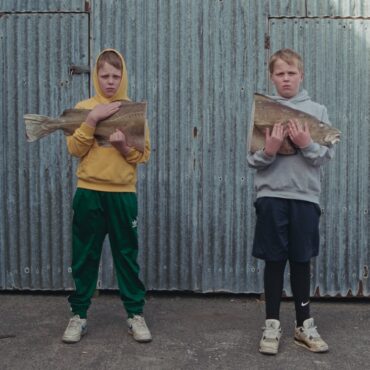



“Coward”, interview with director Lukas Dhont
With "Coward", Lukas Dhont turns the war genre inside out to tell a story of desire, imagination and resistance.
Listeners:
Top listeners:
 play_arrow
ENGLISH Channel 01 If English is your language, or a language you understand, THIS IS YOUR CHANNEL !
 play_arrow
ITALIAN Channel 02 Se l’italiano è la tua lingua, o una lingua che conosci, QUESTO È IL TUO CANALE!
 play_arrow
EXTRA Channel 03 FRED Film Radio channel used to broadcast press conferences, seminars, workshops, master classes, etc.
 play_arrow
GERMAN Channel 04 Wenn Ihre Sprache Deutsch ist, oder Sie diese Sprache verstehen, dann ist das IHR KANAL !
 play_arrow
POLISH Channel 05
 play_arrow
SPANISH Channel 06 Si tu idioma es el español, o es un idioma que conoces, ¡ESTE ES TU CANAL!
 play_arrow
FRENCH Channel 07 Si votre langue maternelle est le français, ou si vous le comprenez, VOICI VOTRE CHAINE !
 play_arrow
PORTUGUESE Channel 08
 play_arrow
ROMANIAN Channel 09 Dacă vorbiţi sau înţelegeţi limba română, ACESTA ESTE CANALUL DUMNEAVOASTRĂ!
 play_arrow
SLOVENIAN Channel 10
 play_arrow
ENTERTAINMENT Channel 11 FRED Film Radio Channel used to broadcast music and live shows from Film Festivals.
 play_arrow
BULGARIAN Channel 16 Ако българският е вашият роден език, или го разбирате, ТОВА Е ВАШИЯТ КАНАЛ !
 play_arrow
CROATIAN Channel 17 Ako je hrvatski tvoj jezik, ili ga jednostavno razumiješ, OVO JE TVOJ KANAL!
 play_arrow
LATVIAN Channel 18
 play_arrow
DANISH Channel 19
 play_arrow
HUNGARIAN Channel 20
 play_arrow
DUTCH Channel 21
 play_arrow
GREEK Channel 22
 play_arrow
CZECH Channel 23
 play_arrow
LITHUANIAN Channel 24
 play_arrow
SLOVAK Channel 25
 play_arrow
ICELANDIC Channel 26 Ef þú talar, eða skilur íslensku, er ÞETTA RÁSIN ÞÍN !
 play_arrow
INDUSTRY Channel 27 FRED Film Radio channel completely dedicated to industry professionals.
 play_arrow
EDUCATION Channel 28 FRED Film Radio channel completely dedicated to film literacy.
 play_arrow
SARDU Channel 29 Si su sardu est sa limba tua, custu est su canale chi ti deghet!
 play_arrow
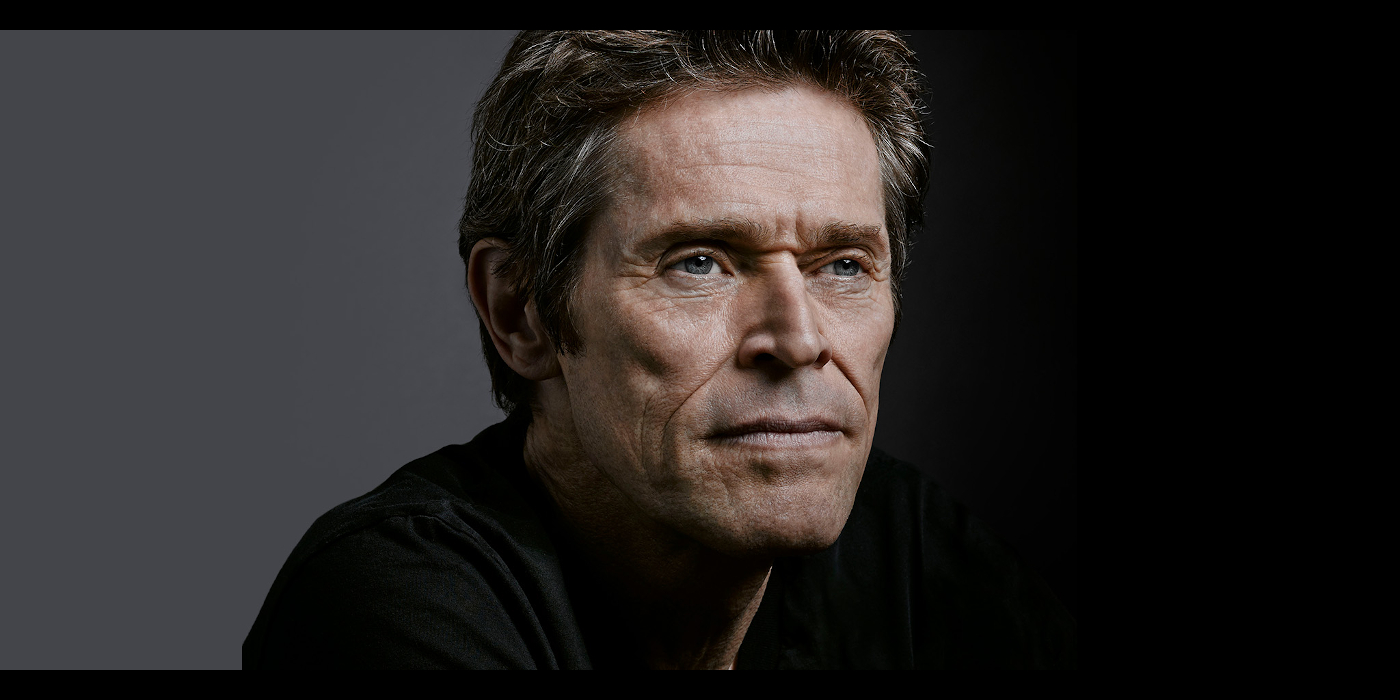
“Conversation with” at the 20th Marrakech IFF, interview with actor Willem Dafoe Bénédicte Prot
 play_arrow
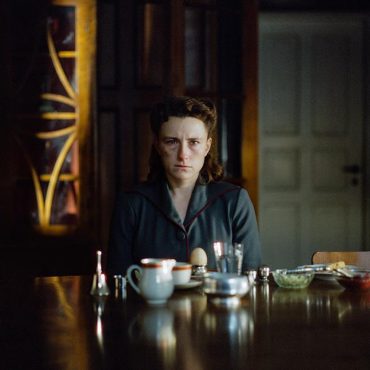
"Diary Of A Chambermaid", interview with director Radu Jude Angelo Acerbi
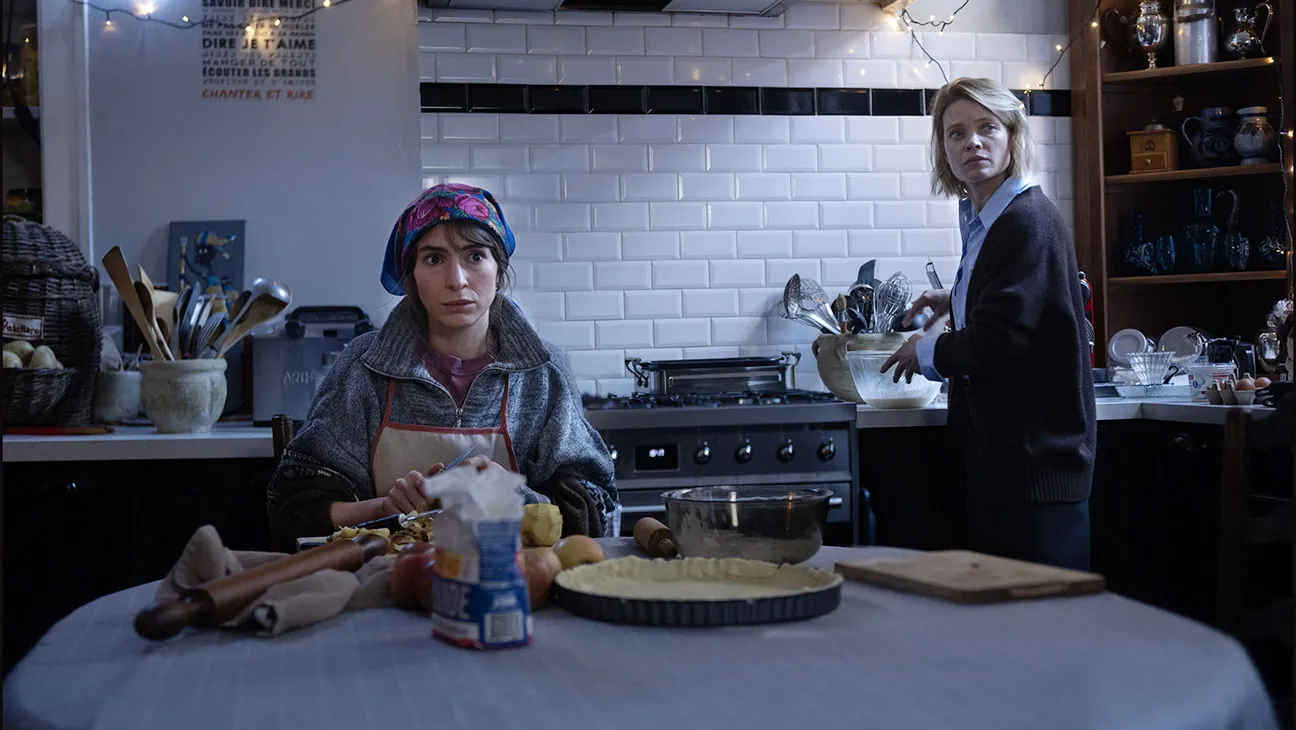
We discover a unique insight into everyday life through “Diary of a Chambermaid”, by Radu Jude, presented at Cannes 2026 Film Festival. The film blends theatre and fiction to explore the unseen struggles of ordinary people. This captivating film offers a fresh perspective on stories that are often overlooked in our modern societies, as the director told us in our chat.
The film draws inspiration from the “Diary of a Chambermaid” to portray the lives of women in domestic service within a contemporary context. By incorporating elements from Octave Mirbeau’s novel, which the film is inspired by, the director aims to offer social commentary whilst redefining the portrayal of the characters. The narrative is fragmented into short scenes, juxtaposing everyday life with theatrical moments, thus creating a heterogeneous blend of images and emotions. This narrative choice serves to highlight the complexity and diversity of personal experiences.
The film adopts a bold formal approach, incorporating theatrical moments to accentuate the authenticity of the dialogue and situations. The director relies on an editing technique inspired by Eisenstein, aiming to juxtapose different elements to create new sensations and reflections. The theatrical moments, chosen with precision and avoiding improvisation, are woven into the narrative to highlight the disconnect between appearance and reality, evoking the notion that theatre represents the true essence of life, according to Jacques Rivette.
The narrative structure adopts a chronological division by days, marked on screen, with sequences of varying lengths. This instinctive approach aims to give the impression of a sketched fresco, where each scene becomes a possibility or a potential for other stories. The abrupt cuts and the rapid pace of the scenes reflect a fragmented and unpredictable life, inviting the viewer to perceive the complexity of human relationships and the subtlety of power dynamics, particularly within the film’s social and family context. The film explores the banality and depth of invisible lives. Its plot, formal choices and temporal divisions reinforce the idea that reality is made up of multiple possibilities, where every interaction harbours a silent tension. The richness of this cinematic work invites reflection on the representation of individuals and their daily lives, confirming that a cleaning lady’s diary is, above all, a mirror of our own lives, full of unrealised potential.
Gianina, a young Romanian, works as a housekeeper for a bourgeois family in Bordeaux. In the evenings, she rehearses the role of a maid with an amateur theatre troupe in an adaptation of The Diary of a Chambermaid by Octave Mirbeau. She takes care of Louen, her employers’ son, while her own daughter is growing up far from her, in Romania. The maternal absence deepens into a wound but, as Christmas approaches, the promise of a reunion begins to take shape.
With "Coward", Lukas Dhont turns the war genre inside out to tell a story of desire, imagination and resistance.
Katharina Rivilis discusses I’ll Be Gone in June at Cannes 2026, exploring adolescence, post-9/11 America and memory.
"The love that remains", at Cannes 78, is Pálmason’s more personal and intimate film.
The Phoenician Scheme by Wes Anderson, in Cannes’ competition sees the participation of newcomers Mia Threapleton and Riz Ahmed and welcomes back Richard Ayoade
Woman Unknown director May El-Toukhy and actress Mathilde Arcel on the body as battlefield, in competition at Venice 2026.
Dust di Tsai Ming-liang, presentato in Venice Open - Fuori Concorso della Mostra di Venezia 2026: impermanenza e meditazione.
Listen Global Critics Venice Voice! Exclusive and thoughtful conversations with leading international film critics, and in-depth analysis of the most anticipated films of the Venice International Film Festival 2026.
At the 83th Venice Film Festival 2026, Skyler Gisondo, Merritt Wever and Bokeem Woodbine on stepping into the circus of Primetime