At the Locarno Film Festival, Fred Film Radio interviewed Ramon and Silvan Zürcher, the director and producer of “The Sparrow in the Chimney”, featured in the International Competition. This film marks the conclusion of their Animal Trilogy, a series that delves into family dynamics with a unique blend of lightness and darkness.
The animal trilogy
The Zürcher brothers began their Animal Trilogy with “The Strange Little Cat” in 2013, followed by “The Girl and the Spider“. “The Sparrow in the Chimney” concludes this thematic journey. “We saw that these three films are like siblings,” Ramon explains. The trilogy explores formal and thematic contrasts, such as the interplay between static and dynamic elements, a recurring motif throughout their work. In this final instalment, the film evolves from the static portrayal of family life into a story of liberation, both thematically and in the movement of the camera.
Themes of liberation
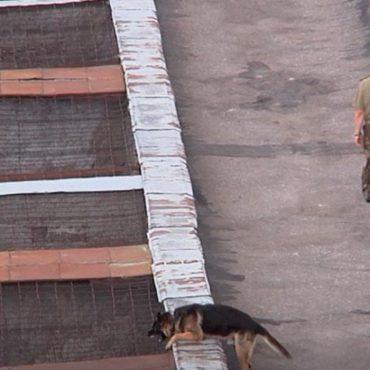
“The Sparrow in the Chimney” portrays a family navigating dysfunction, with the story gradually unfolding into a fairytale-like liberation. The presence of animals, particularly those capable of flight, symbolizes this theme. Silvan notes, “These animals are important for the liberation story,” emphasizing the symbolic role of sparrows, butterflies, and fireflies.
Collaborative process
As brothers, Ramon and Silvan Zürcher have a dynamic working relationship. Silvan Zürcher describes their collaboration as fluid, with roles shifting depending on the project. While Ramon Zürcher directed and wrote “The Sparrow in the Chimney“, Silvan produced it, maintaining a partnership that allows for open conflict and resolution. “We speak out our disagreements,” says Silvan, likening their creative disputes to a catalyst that propels the project forward.
Character development
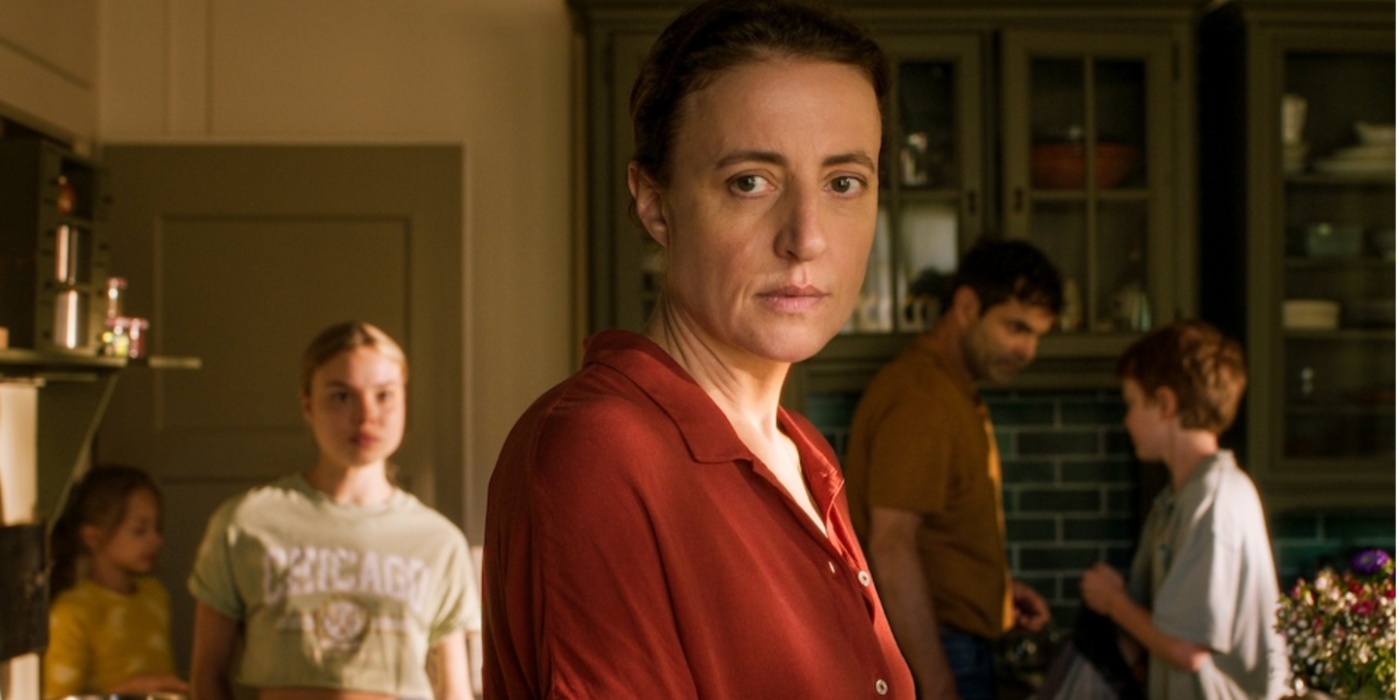
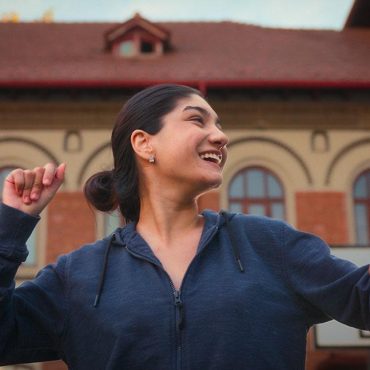
Karen, the film’s central character, embodies the film’s exploration of transformation. Ramon Zürcher designed her as two distinct characters: the first Karen, static and reserved, contrasts sharply with the second, more liberated Karen. This duality is mirrored in the film’s overall structure, which moves from order to chaos, reflecting Karen’s internal journey.
Contrasts in setting and style
The Zürcher brothers are drawn to contrasts, both in character dynamics and cinematic techniques. They juxtapose a serene, idyllic setting with underlying tensions and dark, passive-aggressive family interactions. The film’s contrast between light and darkness, order and chaos, mirrors the characters’ psychological landscapes, creating a rich, layered viewing experience.
Plot
Karen and Markus live with their children in Karen's idyllic childhood home. Karen's sister Jule and her family arrive to celebrate Markus's birthday. Somber memories of their deceased mother reinforce Jule's urge to rebel against her sister's dominance. As the house starts filling with life, Karen tenses up; everything comes to a head. Some past things are destroyed in order to create something new.