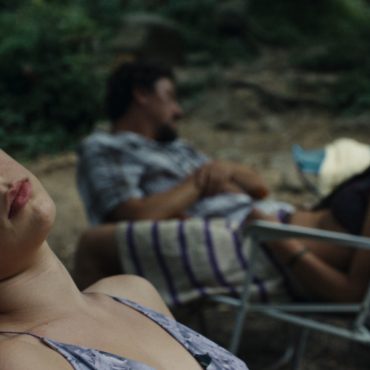
Our Share of Sand stands as a powerful symbol of the environmental crisis and exploitation unfolding in India. Through storytelling that favors emotion over didactic explanation, the filmmakers manage to convey the crisis surrounding sand mining while keeping the film deeply human. It’s worth noting that, during editing, more explicit scenes depicting the mining process itself were cut, precisely to preserve the story’s emotional core. At the center of the narrative lies the relationship between a father and daughter, a bond that allows viewers to connect personally with broader themes of environmental degradation and systemic exploitation, turning sand into a striking and effective metaphor.
A Multilingual Production
On the production side, the film faced no small challenge in its multilingual shoot, with Hindi, Marathi, and local dialects all woven into the set. Director Maya Mehta explained how having local translators on hand, able to mediate between Hindi, Marathi, and English, proved essential to smooth communication between cast and crew. It’s no surprise, then, that the film often leans on energetic crowd scenes, where nonverbal cues and physical energy carry the emotion, bypassing the need for rigid dialogue. This linguistic complexity also demanded extra time built into the shooting schedule, an investment that shows in how fluidly the acting and direction come together on screen.
Parents Caught in the System
Another strength of the film is its portrayal of the parents, shown as complex figures caught within a system that predates and looms over them. As children of immigrants, they’re driven by the need to survive and by the desire to give their own children the basics. Patriarchy, capitalism, and exploitation emerge as deeply rooted forces, hard to break free from, and the film succeeds in showing how these characters’ actions are shaped by their circumstances, never reducing them to simple villains or heroes.
A Story of Empathy and Resilience
This narrative choice – acknowledging systemic entrapment and how difficult change is in the face of economic and social forces larger than any individual – is arguably the film’s strongest card: a story capable of generating genuine empathy for the struggles of marginalized communities, staying true to the themes of exploitation and resilience that Our Share of Sand sets out to tell.
Plot
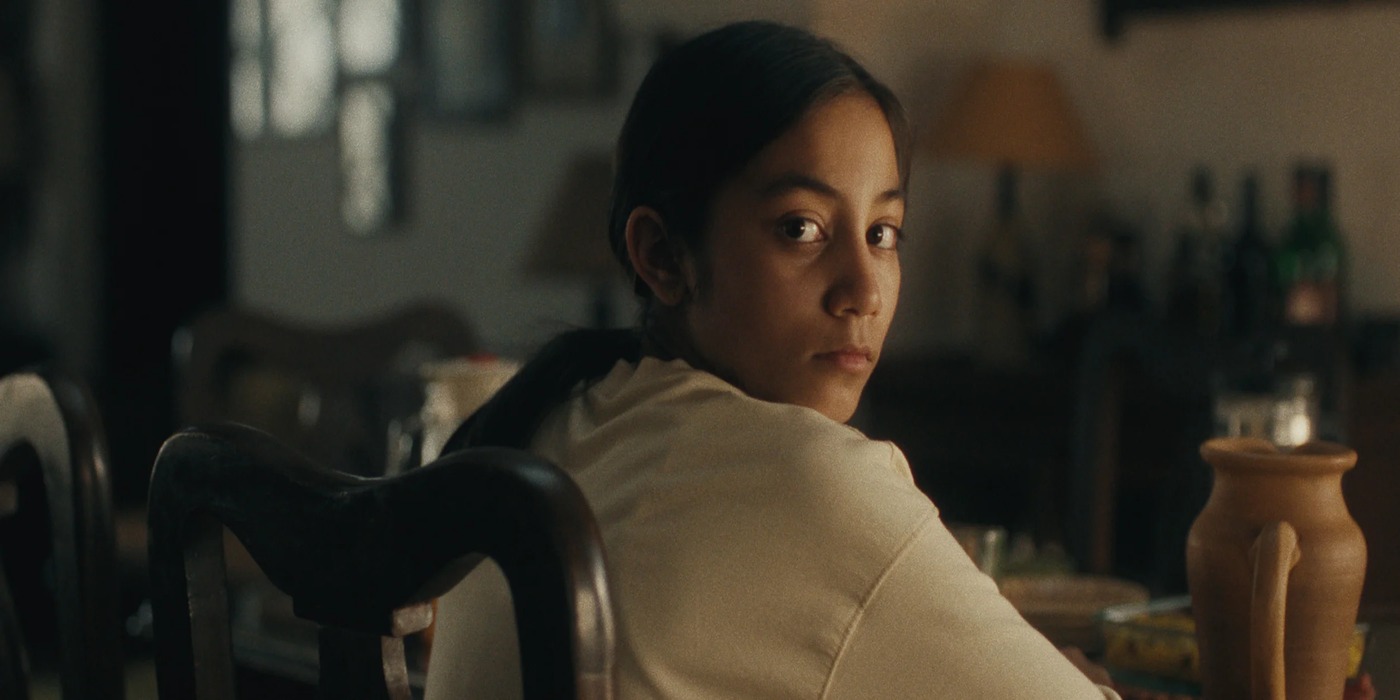
After years apart, 12-year-old Maya returns to India with her mother to reunite with her father - a sandmining business man. Immersed in a world where labour, legacy and extraction collide, she forms a fragile bond with Kiran, a young worker. After a tragic accident, a police investigation turns Maya into a key witness, with her father relying on her to absolve him. Torn between loyalty and a growing unease she cannot name, Maya begins searching for the truth. As her mother quietly unravels, Maya uncovers a pattern of silence, exploitation and repeated harm forcing her to confront her father’s deception and the family’s complicity she must choose to break.