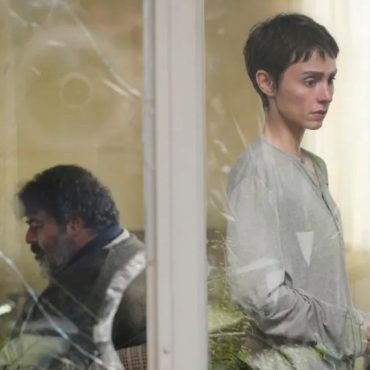
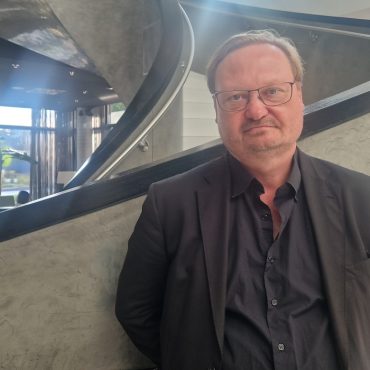
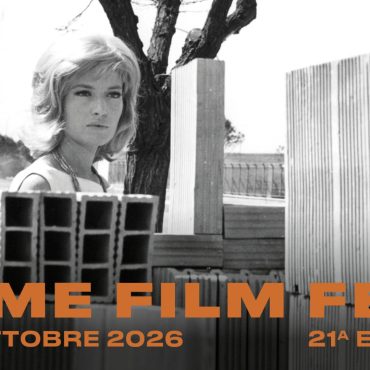
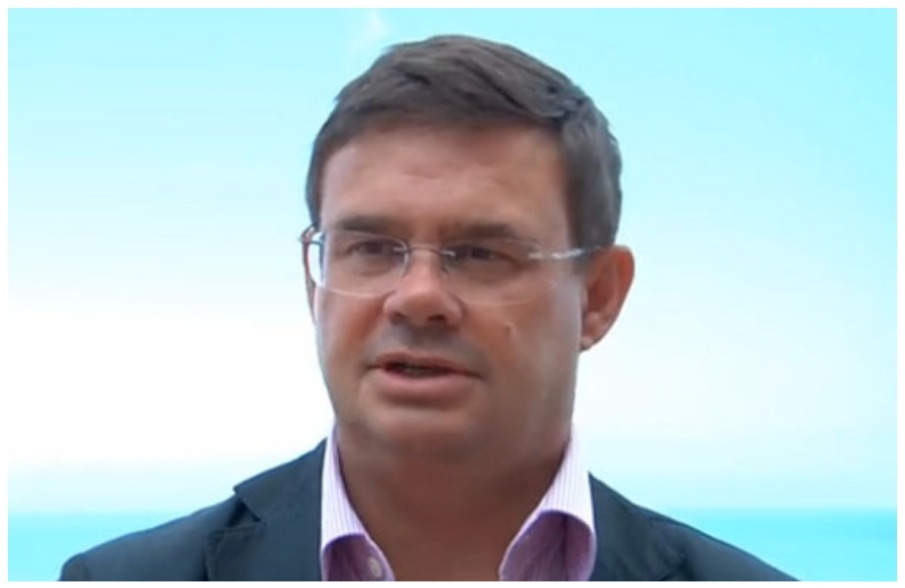
The film The Road to Jericho, by acclaimed filmmaker Amos Gitai, is a deeply reflective work that explores themes of belonging, memory, and territorial conflict. The film was presented at the Venice Film Festival 2026. The conversation with Gitai delves into the motivations behind the project, emphasizing how The Road to Jericho functions as a hybrid cinematic gesture aimed at provoking thought and dialogue.
The Significance of The Road to Jericho and the Choice of Storytelling Techniques
Gitai discusses his approach to blending documentary, fiction, and archival voices within the film. He emphasizes that cinema holds an incredible potential to create dialogue across different genres and mediums, using visual and auditory elements that provoke audience reflection.
Gitai explains that he wanted to go beyond mere storytelling, aiming to stimulate viewers to interpret the film’s layered messages once the screening ends. He believes that cinema’s power lies in its ability to probe complex issues like belonging and memory, leaving a lasting impression that challenges audiences to think critically well after they have watched the film.
The Role of Archival Voices and the Use of Diverse Media in the Film
Gitai shares his perspective on incorporating voices from icons such as Jeanne Moreau, Samuel Fuller, Arthur Miller, and Hanna Schygulla, among others. For him, merging art, politics, and film enhances the emotional and intellectual impact of the work. He underscores that these voices serve as a bridge between past and present, acting as phantoms that inform current thoughts and debates.
Gitai’s approach to archival material is rooted in authenticity — preferring raw, unaltered footage to preserve memory’s integrity. This method aligns with his belief that images and voices, especially when symbolic, can exert a lasting influence, creating a shared cultural and historical memory that transcends time and manipulation.
Reflections on Memory, Archive Use, and the Importance of Symbolic Power
In the final part of the interview, Gitai discusses the importance of the archive as a tool for memory and the risks of manipulation. He advocates for preserving raw materials to maintain their original power, citing Picasso’s Guernica as an example of a symbolic image that endures beyond the realm of direct political power.
Gitai asserts that visual symbols possess a lasting influence, capable of shaping public consciousness long after the events themselves. He concludes that cinema, through archival material and symbolic imagery, wields a form of enduring power, reminding us of history’s complexities and the importance of memory in collective understanding.
Plot
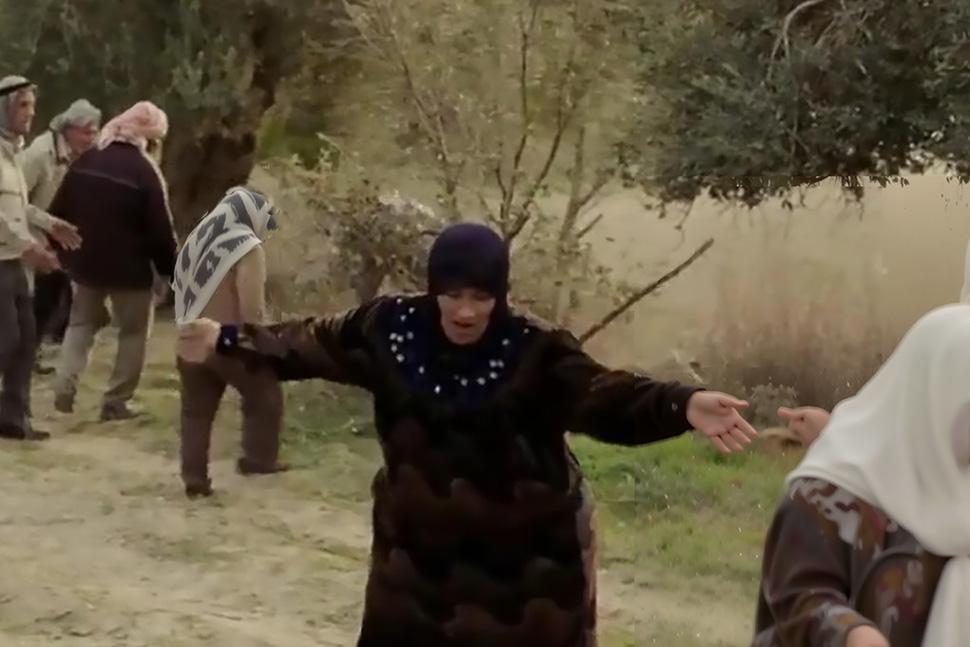
The Road to Jericho is a musical and visual journey, a poem in images – a hybrid of documentary and fiction that weaves archival images from earlier films, with the voices of Samuel Fuller, Jeanne Moreau, Arthur Miller, and Yitzhak Rabin, among others, into the contemporary reality of the Bedouins of Khan El Ahmar, now threatened with eviction by settlers on this road to Jericho. A poignant, sensitive meditation on human destinies on this desert land, steeped in history.