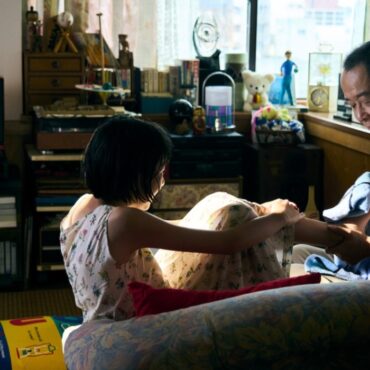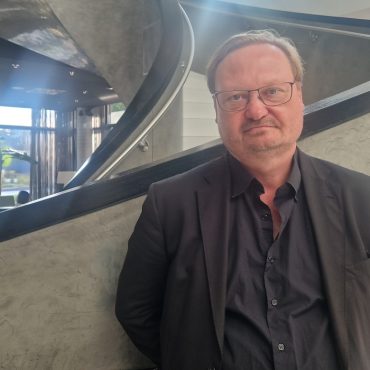


“Everytime”, Interview with director Sandra Wollner
With "Everytime", Sandra Wollner crafts a quietly devastating portrait of grief, absence and the brutal tenderness of going on
Listeners:
Top listeners:
 play_arrow
ENGLISH Channel 01 If English is your language, or a language you understand, THIS IS YOUR CHANNEL !
 play_arrow
ITALIAN Channel 02 Se l’italiano è la tua lingua, o una lingua che conosci, QUESTO È IL TUO CANALE!
 play_arrow
EXTRA Channel 03 FRED Film Radio channel used to broadcast press conferences, seminars, workshops, master classes, etc.
 play_arrow
GERMAN Channel 04 Wenn Ihre Sprache Deutsch ist, oder Sie diese Sprache verstehen, dann ist das IHR KANAL !
 play_arrow
POLISH Channel 05
 play_arrow
SPANISH Channel 06 Si tu idioma es el español, o es un idioma que conoces, ¡ESTE ES TU CANAL!
 play_arrow
FRENCH Channel 07 Si votre langue maternelle est le français, ou si vous le comprenez, VOICI VOTRE CHAINE !
 play_arrow
PORTUGUESE Channel 08
 play_arrow
ROMANIAN Channel 09 Dacă vorbiţi sau înţelegeţi limba română, ACESTA ESTE CANALUL DUMNEAVOASTRĂ!
 play_arrow
SLOVENIAN Channel 10
 play_arrow
ENTERTAINMENT Channel 11 FRED Film Radio Channel used to broadcast music and live shows from Film Festivals.
 play_arrow
BULGARIAN Channel 16 Ако българският е вашият роден език, или го разбирате, ТОВА Е ВАШИЯТ КАНАЛ !
 play_arrow
CROATIAN Channel 17 Ako je hrvatski tvoj jezik, ili ga jednostavno razumiješ, OVO JE TVOJ KANAL!
 play_arrow
LATVIAN Channel 18
 play_arrow
DANISH Channel 19
 play_arrow
HUNGARIAN Channel 20
 play_arrow
DUTCH Channel 21
 play_arrow
GREEK Channel 22
 play_arrow
CZECH Channel 23
 play_arrow
LITHUANIAN Channel 24
 play_arrow
SLOVAK Channel 25
 play_arrow
ICELANDIC Channel 26 Ef þú talar, eða skilur íslensku, er ÞETTA RÁSIN ÞÍN !
 play_arrow
INDUSTRY Channel 27 FRED Film Radio channel completely dedicated to industry professionals.
 play_arrow
EDUCATION Channel 28 FRED Film Radio channel completely dedicated to film literacy.
 play_arrow
SARDU Channel 29 Si su sardu est sa limba tua, custu est su canale chi ti deghet!
 play_arrow
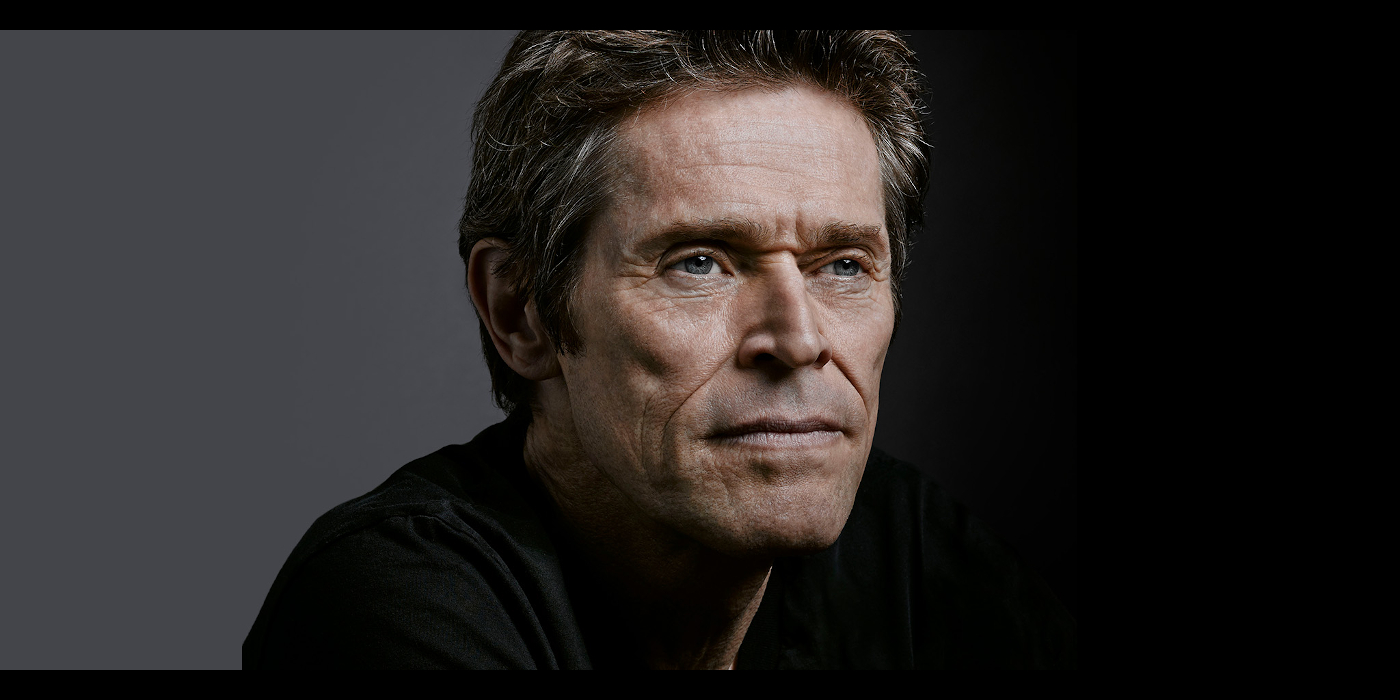
“Conversation with” at the 20th Marrakech IFF, interview with actor Willem Dafoe Bénédicte Prot
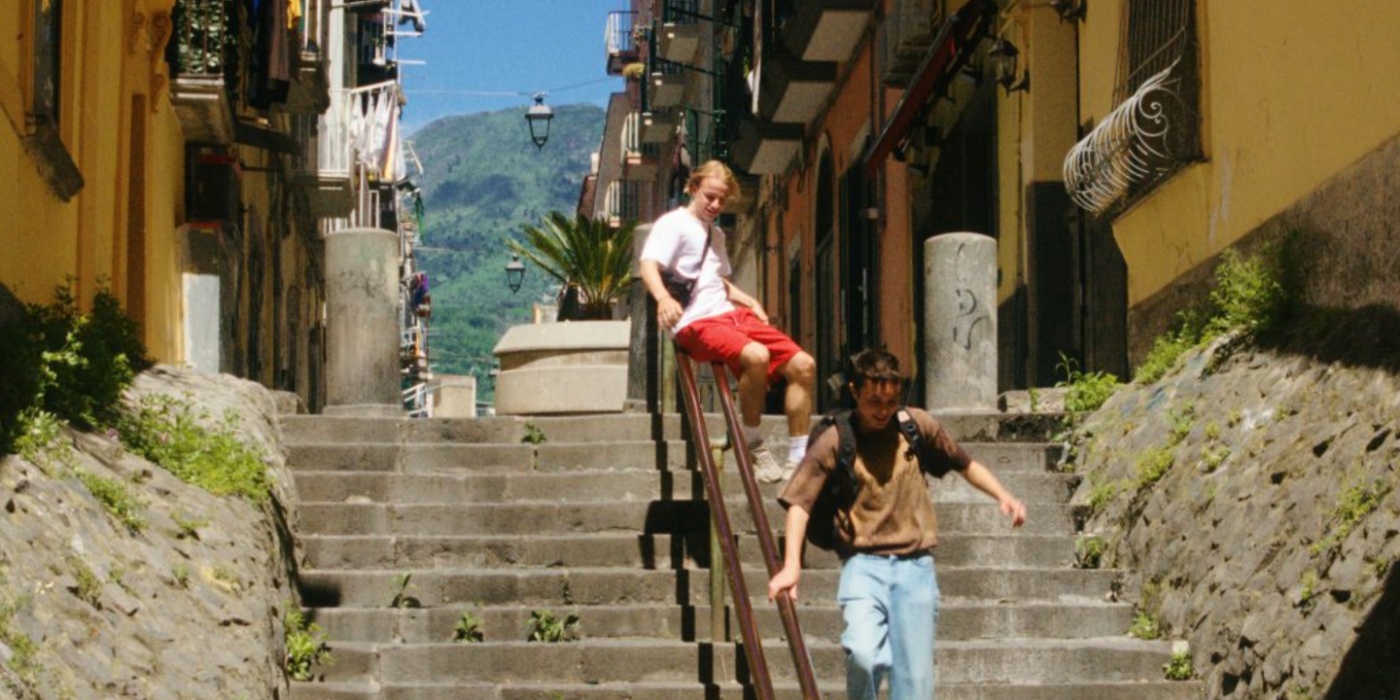
Marine Atlan, known for her outstanding work as a cinematographer (for instance on “Summer Scars”, “Thunder”, and “The Rapture”), debuts as a director with the fascinating and lively “La Gradiva”, which takes us on a school trip to Pompeii with a group of privileged last year high schoolers led by their passionate Latin teacher (Antonia Buresi), who prompts them to read the traces of the past, to reimagine the eruption of Mount Vesuvius, while shaken by their own desires and fantasies and frustrations. The film, also running for the Camera d’Or of the 79th Cannes Film Festival, just won the Grand Prix of the Critics’ Week.
We talk about the idea of having the antique figure of the Gradiva from Wilhelm Jensen‘s novella, famously analysed by Sigmund Freud and later taken to the silver screen by Alain Robbe-Grillet, continue to walk alongside a group of young people of our time, thus adding another layer of history. Marine Atlan explains how she and Anne Brouillet worked on creating a polyphonic script for this ensemble piece, and that she wanted the film to be full of life and embrace both the documentary-like descent into the story of the 2000-year-old ruins and the melodrama coming from the youths as well as the lyricism of certain aspects of the story.
The French director tells us more about using a photo instead of a bas-relief to represent a moment in time captured by an image and the secrets it bears, as well as the need of the character of Tony (Colas Quignard) to recreate a personal, family mythology. We linger on the specific figure of this despondent, young wanderer as opposed to (or as complemented by) that of his seductive best friend James (Mitia Capellier), representing “absolute privilege,” reminiscent of the central character in “Teorema”, on whom many of the participants in the school trip project their fantasies and whom they desire as much as they resent him.
A group of French high-school students travel to Naples on a school trip to discover the ruins of Pompeii and the bodies petrified by Vesuvius. There, they are drawn into a dizzying descent. One by one, they are swept up in desire and anger, until they surrender to them completely.
With "Everytime", Sandra Wollner crafts a quietly devastating portrait of grief, absence and the brutal tenderness of going on
Friuli Venezia Giulia Film Commission leverages its diverse landscapes and 26 years of expertise to boost local film productions and attract Hollywood projects. We talked about it with one of its founders Gianluca Novel.
Renoir, in the Cannes 78’s competition, is Hayakawa’s more intimate and personal project after Plan 75
Director Pedro Pinho on the concept of "I Only Rest in the Storm": "I wanted to continue to explore the concept of polyphony, of creating a situation where different voices come together to reflect upon a given subject."
Edinburgh Spanish Film Festival
Marian Arechega, director of the vibrant Edinburgh Spanish Film Festival, discusses the 2026 edition programme, showcasing recent and diverse cinema from Spain.
Nicolas Winding Refn on Her Private Hell, his first feature in ten years, in Italian cinemas from October 1.
Discover how EWIP - European Work in Progress connects European and African films with top buyers, boosting distribution and festival success.
Rome is once again expanding the scope of its Film Fest: thirteen days of cinema, international premieres, renowned auteurs, emerging talent, series, documentaries, and cinematic heritage—with Javier Bardem, Paolo Genovese, and Monica Vitti at the heart of an edition that …