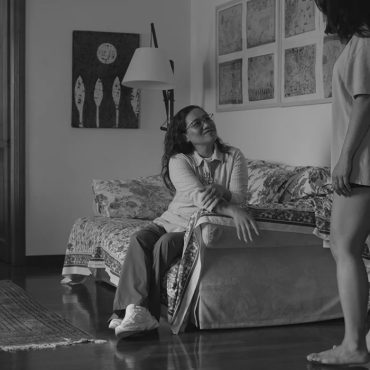
Boris Hadzij and Hoda Taheri are the directors, and actors, of I Plant My Hand in the Garden, included in the programme of Giornate degli Autori. We met with them in Venice to talk about the film and its creative process.
The necessity to express themselves
Boris Hadzij and Hoda Taheri were for a long time trying to finance a bigger film and it was going a lot of back and forth, with a lot of different developments. They then decided to make something quick that has to be something very urgent for them and simple. Short, brief, and precise.
A specific approach to fiction
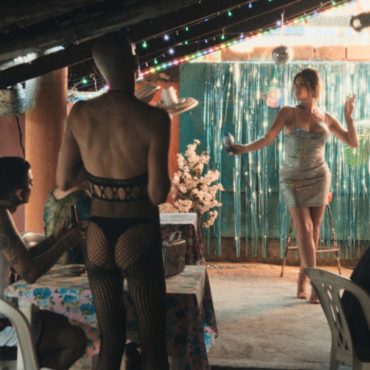
In the film Boris Hadzij and Hoda Taheri play themselves but also both of our mothers play in the film and also my brother and Hoda’s sister. They never had t in mind a clear division of fiction and documentary. It is more a question of form and structure than content itself. Fiction also can very often serve as a kind of a shield to protect yourself with, because in the film you expose yourself quite a bit. So this fictionalisation in the film can help to be a bit more protected in a way. The fact that it’s fiction doesn’t mean that it’s like less real, or the fiction doesn’t make it less real than documentary would.
The line between script and improvisation
While Boris Hadzij and Hoda Taheri were shooting, a lot happened around their families that got into the film because the film had a very fluid form. It was very much in the interaction with the reality of the time that they were in. It was also shortly before the war started in Iran and accidentally they were shooting a few days before the war started. So then Hoda’s mom came for the shooting to Serbia. When war started she was forced to stay and this also poured into the film. It was kind of interaction between them, the film and the reality of what was happening around
Plot
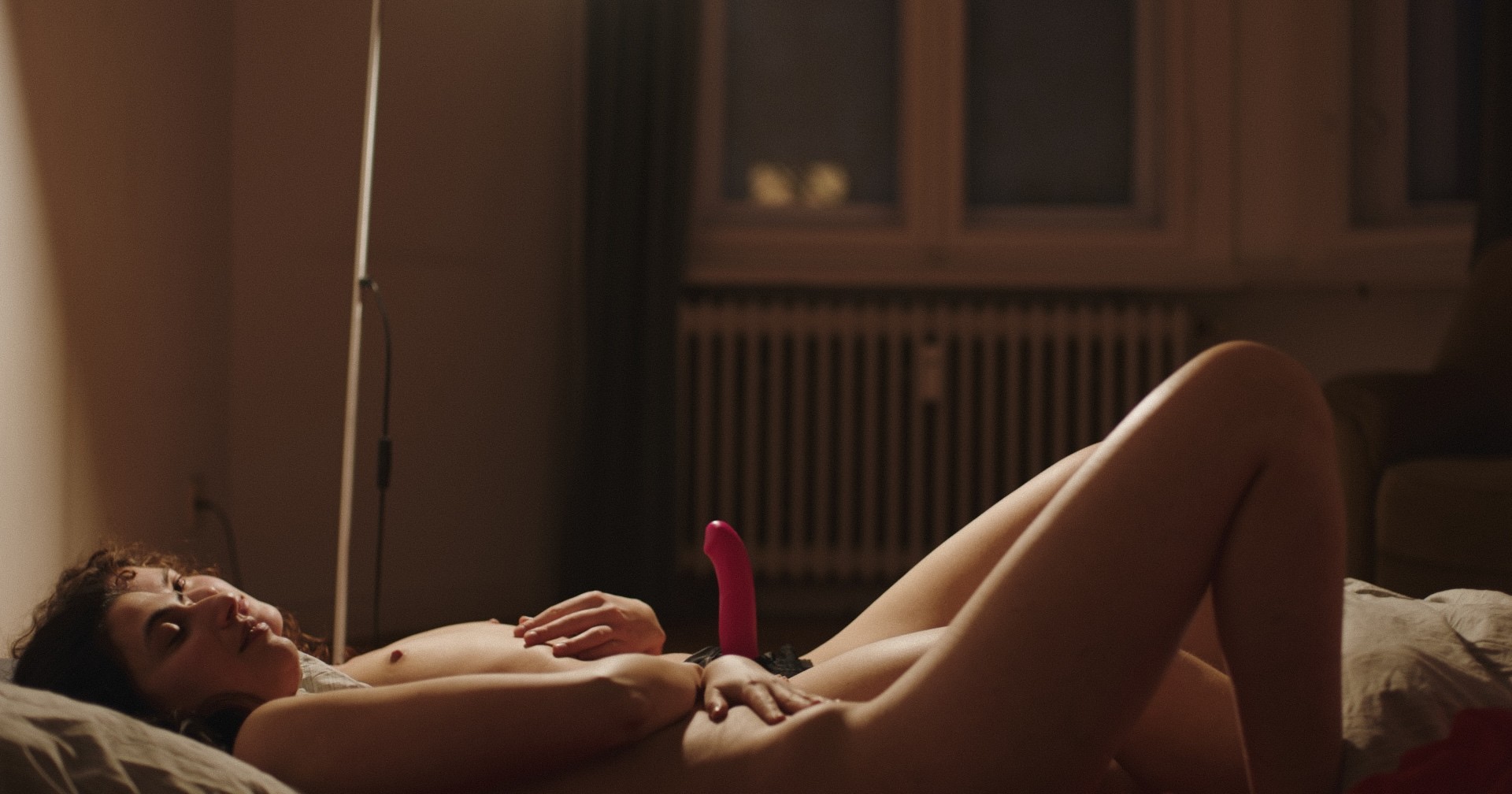
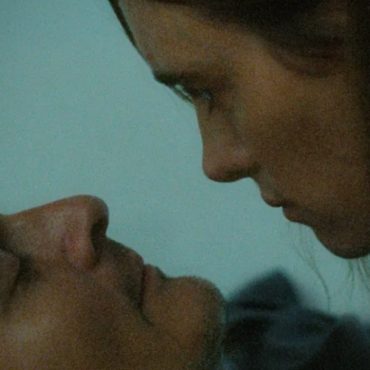
Hoda, an Iranian refugee living in Berlin, is pregnant and in love with Boris, a queer gay man from Serbia. Together, they decide to marry and raise the child, imagining a future built on their own terms. As they prepare for the wedding and enter more deeply into each other’s worlds, their relationship is seriously tested by all the red tape and their families’ expectations and histories that neither of them can leave behind. Surrounded by relatives, memories and inherited ideas of love and parenthood, Hoda and Boris begin to question the roles they are about to take on. What starts as a plan to become a family gradually turns into a more intimate and uncertain question: can they reinvent what it means to be a couple without losing what brought them together?