Presented at the
Giornate degli Autori during the Venice Film Festival,
Salon de Beleza stands as a poignant
exploration of illness, marginalization, and human vulnerability. Directed and performed with remarkable sensitivity, the film successfully translates the depth of its source novel into a rich visual narrative. Born from an ongoing dialogue with the author and shaped by the collective isolation of the COVID-19 pandemic, the adaptation avoids mere literal translation. Instead, it builds an intimate landscape where character development relies heavily on organic detail, understated performances, and the quiet weight of unsaid words.
Dignity Beyond Marginalization
At the heart of Salon de Beleza is the titular setting itself: a sanctuary for bodies hovering between life and death, symbolizing both profound fragility and quiet resilience. Rather than reducing its characters to mere victimhood or societal stereotypes, the film centers on their multifaceted identities and inherent dignity. By approaching terminal illness and marginality through a lens of tenderness rather than sensationalism, the filmmakers elevate personal struggle into a universal reflection on the human condition, inviting viewers to connect with the characters’ inner worlds on a deeply empathetic level.
Visual Poetry and Collaborative Craft
Artistically, the project thrives on a minimalist approach, relying on visual storytelling and subtle character contradictions rather than heavy dialogue. While carrying traces of cinematic influences, such as the director’s past collaboration with Carlos Reygadas, the film carves out its own distinct identity. Through precise framing, atmospheric patience, and an open-ended narrative structure, Salon de Beleza allows room for personal interpretation, ultimately delivering a courageous celebration of human beauty found within moments of extreme vulnerability.
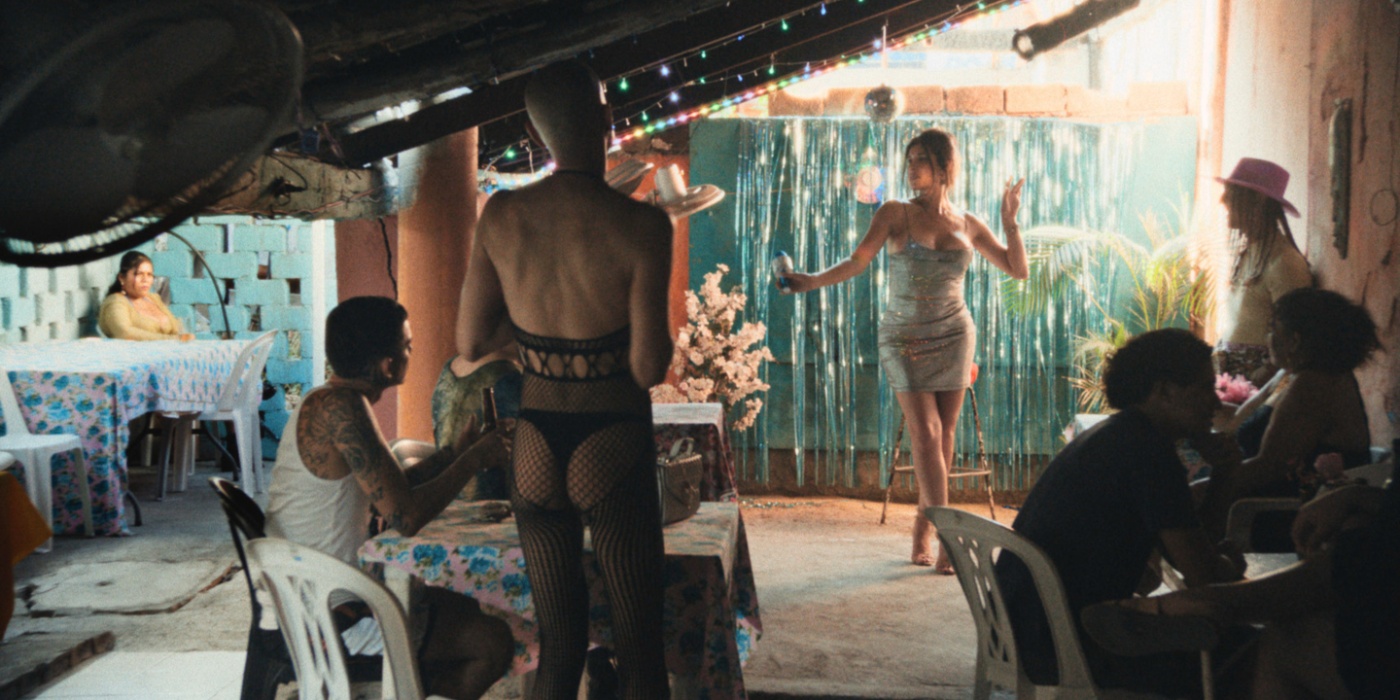
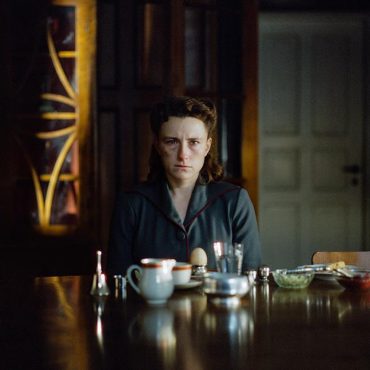
In an unnamed city, a beauty salon becomes a place of transit where the marginalized gather, suspended between life and death. In the middle stands the Individual, a solitary presence who tends to this space without making promises or offering explanations. In the film, time and space dissolve into one another. What is lived, remembered, and imagined coexists in a continuous movement, while meaning emerges through ritual, drifting, and returning. Within this space, beauty and death intertwine. The salon becomes a threshold where presence and memory fade and reappear, and where the boundaries between reality and vision begin to loosen. The outside world is fragmented, its tensions quietly permeating the space. As everything transforms, what emerges is a passage: a meditation on the fragility of existence.