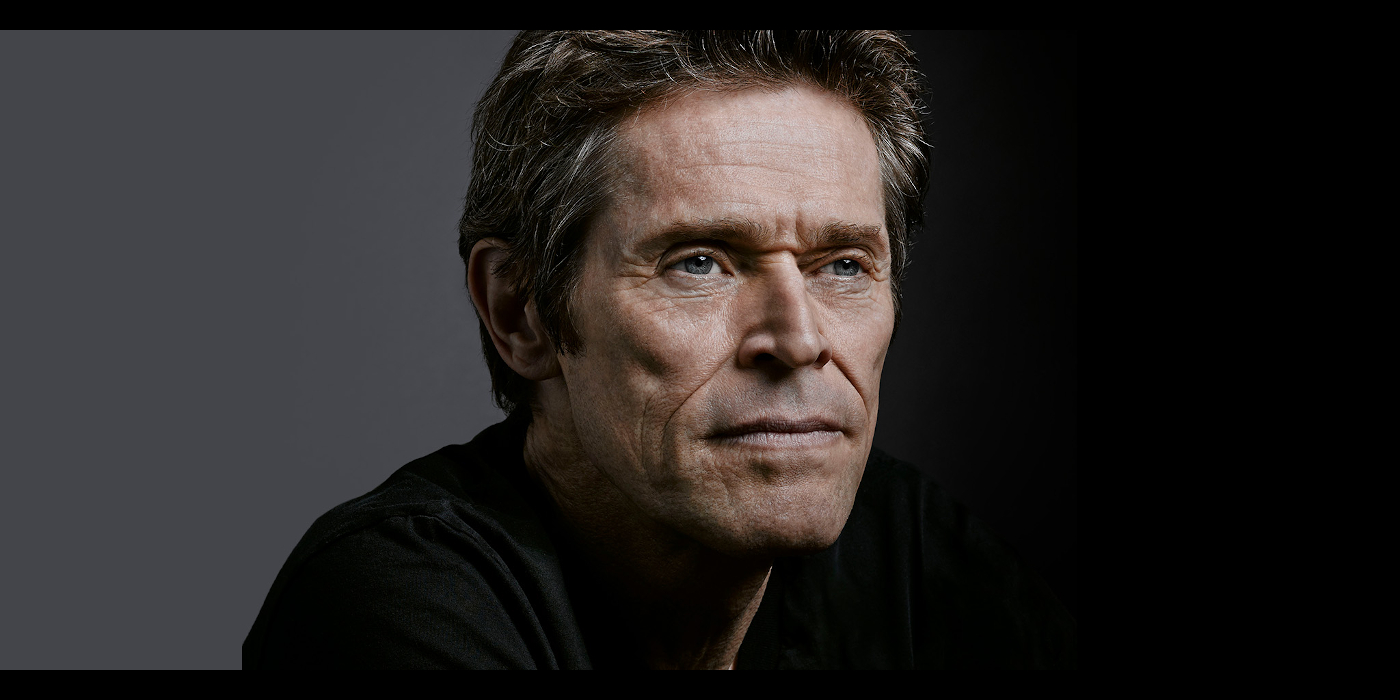
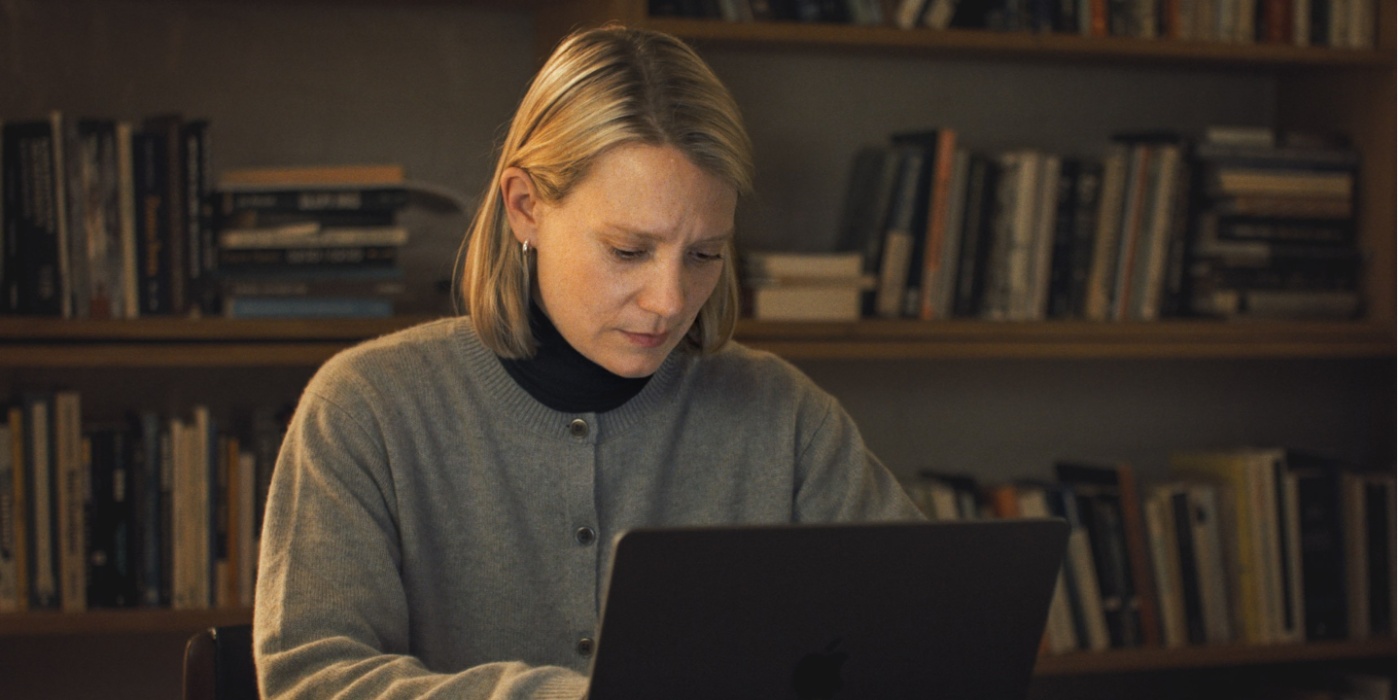
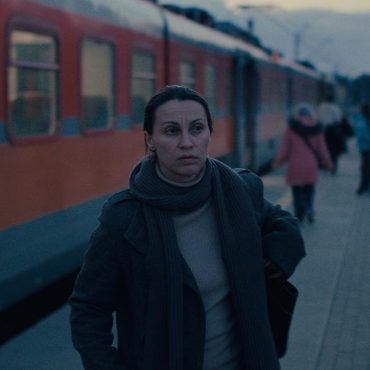
Agata The writer, by Kuba Dorabialski was presented in competition at Giornate degli Autori in Venice. We met with director , lead actress Mia Wasikowska and producer Alex White to talk about the creative process and the meaning of this film for them.
Two levels of interest in the creative process
Kuba Dorabialski points out that the initial idea of looking at how a story is told, in a very intimate way between audience and writer was kind of the starting point. Cinema always speaks to a group of people, but he always was interested in intimacy, intimacy of a novel and how the writer can speak to one person. The other thing was kind of specific: it’s about Bosnia and why about a writer dealing with the Bosnian War in the 90s, largely because of what’s happening in the world now, because of the imperialist wars: how does an artist engage with political trauma.
From video art to film
Kuba’s video art practice was always very narrative and story based which is a little bit different than classical video art; he always felt like he needed to make that jump out of the gallery into the cinema where you can kind of dictate the beginning and ending of your communication with an audience- “Agata the Writer” it’s kind of the final step of a process. Rules for cinema are slightly more strict than the freedom you have in video art. It’s kind of nice to have the edges defined for you, which means that then you can kind of explore a bit more within them rather than having a completely open-ended field It’s nice to have some boundaries around that.
Playing a beautifully written character is easy
Mia Wasikowska praises Kuba because like her character was really beautifully written from the beginning and it sort of made her job easier. She just had to turn up and embody her for a period of time. It’s funny because she never felt like she was trying to do anything really. The process of acting is kind of funny, and for her it’s not like particularly intellectual, so I just, I don’t know what I’m doing ever. I just like turn up and hope that it works out.
Roots and belonging to a place, a country
This was something the director always really loved and identified with, even more so from his mum’s experience because she was a Polish migrant coming to Australia when she was in her early teens. So, he feels like he really understood this sort of question of belonging. This was something he could understand and, and empathise with and really like exploring because he feels it is very viscerally embedded in his own family and in himself.
Plot
Agata travels from Sydney to Sarajevo to write a war novel, but as she gathers material, she is challenged by locals who question her motives. Her creative uncertainty growing, she sees a startling mystery unfold: some provocative and obscene artworks inexplicably vanish. As Agata reads the first chapters of her new novel, it becomes clear that the story is not about the war itself, but about the quiet, very human moments of resilience that persist in its shadow. During her stay in Sarajevo, Agata has developed a deeper understanding of the act of storytelling and the profound responsibilities that come with being a storyteller.