The 2026 Rome Film Fest will take place from October 13 to 25, featuring 55 countries, international cinema, major premieres, documentaries, series, and restored films, with the city becoming increasingly involved in the festival.
The Rome Film Fest 2026 is embracing abundance, but above all it is trying to give it a clear direction. Running October 13 to 25, the 21st edition will bring together works from 55 countries and build, around the Auditorium Parco della Musica Ennio Morricone, a festival that encompasses the international Progressive Cinema competition, films for wider audiences, new audiovisual forms, documentaries, series, restorations and public conversations. It is an approach that confirms the vision of artistic director Paola Malanga: turning the Fest into a place where industry, artistic research, international stars and audiences can coexist without being confined to separate programs.
The 2026 edition also gains an extra day compared with the initially announced schedule. Opening the Fest will be Il rumore delle cose nuove by Paolo Genovese, screening in Grand Public during the opening ceremony. The director’s new ensemble film brings together Emanuela Fanelli, Claudia Pandolfi, Vittoria Puccini, Stefano Accorsi, Lino Musella, and Edoardo Pesce, with Claudio Santamaria in the cast. At its center are three couples who have built seemingly secure balances in their lives, only to have them called into question by an unexpected event.
Rome Film Fest 2026, a competition focused on the present
The competitive heart of the festival remains Progressive Cinema, Visions for the World of Tomorrow, an international competition that makes no distinction between fiction, animation and documentary filmmaking. Eighteen titles have been selected, spanning Europe, the United States, Latin America, Africa and Asia, and bringing established filmmakers to Rome alongside first and second features.
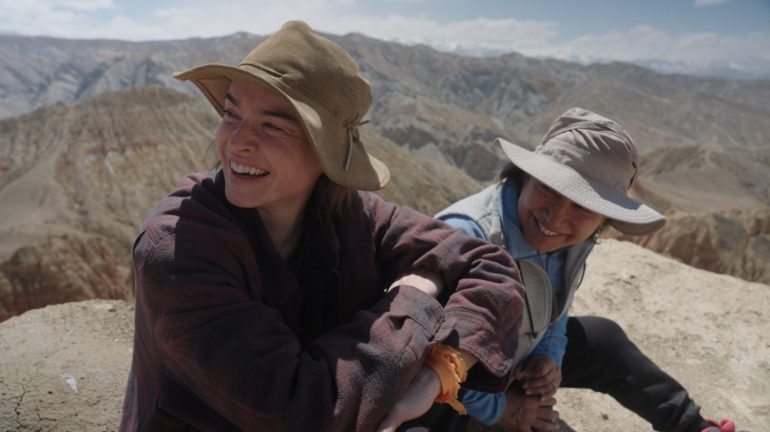
Three titles stand out within the Italian presence. Brianza by Simone Catania, starring Paolo Pierobon and Fausto Russo Alesi, begins amid the 2009 economic crisis and follows a businessman overwhelmed by debt who becomes involved in an embezzlement scheme inspired by a true story. Giorni felici by Susanna Nicchiarelli, adapted from Zuzu’s graphic novel, casts Carlotta Gamba in a story of growth and transformation in which the protagonist’s identity literally takes on a fantastical form. Mustang, meanwhile, marks Kasia Smutniak’s return behind the camera, this time with a documentary spanning more than twenty years of personal memory, her 2003 journey with Pietro Taricone, and a promise to support the education of children in Nepal’s Mustang region.
Mustang by Kasia Smutniak
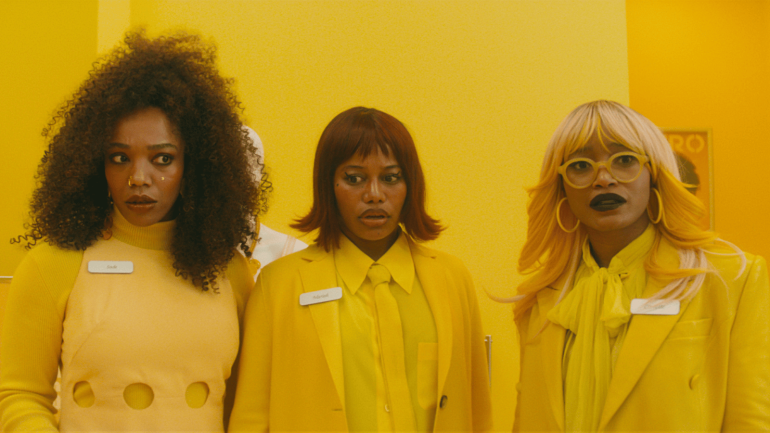
The competition, however, covers a much broader geographical landscape. Diego Luna directs Ceniza en la boca (Ashes), an adaptation of Brenda Navarro’s novel about the uprooting of a young Mexican woman and her search for a place in the world. Boots Riley returns to directing with I Love Boosters, a political comedy set in the world of fashion retail, starring Keke Palmer, Naomi Ackie, Taylor Paige, LaKeith Stanfield, Will Poulter and Demi Moore. In I See Buildings Fall Like Lightning, Clio Barnard turns her attention to friendship, social class and gentrification in contemporary Birmingham.
The line-up also includes The Life and Deaths of Wilson Shedd by Tim Blake Nelson, a prison noir starring Amanda Seyfried and Scoot McNairy; Eurotrash by Frauke Finsterwalder, with Barbara Sukowa; Dua by Blerta Basholli, set in Kosovo in the late 1990s; Sants by Mikel Gurrea, with Victoria Luengo and Ariadna Gil; Uļa (Ulya) by Viesturs Kairišs; Voilà, c’est fini by Gustave Kervern; and Yesterday the Eye Didn’t Sleep by Rakan Mayasi. Completing the selection are Closure by Michał Marczak, Congo Boy by Rafiki Fariala, Gæsten (The Guest) by Mads Mengel, Skejtanjeto ne e za devojčinja (Skateboarding Is Not for Girls) by Dina Duma and Burmese first feature Thit-Thee Khu (Fruit Gathering) by Aung Phyoe.
I Love Boosters by Boots Riley
Paolo Genovese, Jenna Ortega and Helen Mirren: the Grand Public face of the Fest
If Progressive Cinema defines the program’s competitive identity, Grand Public is where Rome most clearly tests its character as a true festival for audiences. The section combines Italian cinema, international productions, literary adaptations and titles built around immediately recognizable actors and filmmakers.
Alongside Genovese’s opening film is Klara and the Sun by Taika Waititi, starring Jenna Ortega, while Peter Farrelly brings I Play Rocky, centered on a young Sylvester Stallone. A Talent for Murder stars Helen Mirren as Patricia Highsmith, Changer l’eau des fleurs adapts Valérie Perrin’s novel with Leïla Bekhti, while Le Fantôme de l’Opéra arrives in Rome as a world premiere starring Deva Cassel. Bille August directs Me, You, an adaptation of Erri De Luca’s Tu, mio, starring Tim Roth, Sonia Ammar, Massimiliano Caiazzo and Valentina Cervi.
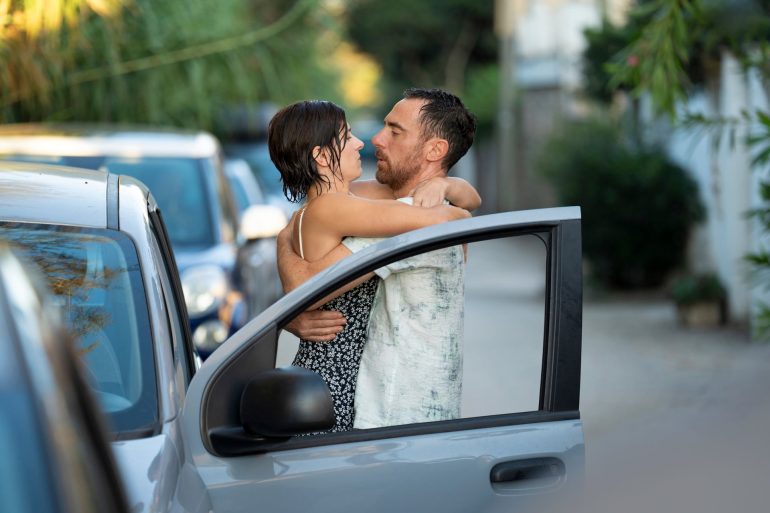
Italian cinema occupies a substantial part of the section. The programme includes Noi, un po’ meglio by Daniele Luchetti, starring Elio Germano and Maria Chiara Giannetta; Il profilo dell’altra by Francesco Bruni; La sera a Roma by Enrico Vanzina; Un tranquillo funerale di famiglia by Massimiliano Bruno; Le rose di Marrakech by Ginevra Elkann, starring Fanny Ardant; Desiderio by Michela Cescon; and È andata così by Gianni Zanasi.
Noi, un po’ meglio by Daniele Luchetti
Among the projects connecting cinema, biography and Italian cultural memory are Je so’ pazzo by Nicola Prosatore, with Massimiliano Caiazzo playing Pino Daniele, and L’ora di tutti, the directorial debut of Stefania Rocca, adapted from Maria Corti’s novel about the 1480 siege of Otranto. Grand Public will also host Se domani non torno, a project made in collaboration with Alice nella città and centered on the story of Giulia Cecchettin.
Rome Film Fest 2026: Freestyle brings series and new formats into the program
Freestyle is perhaps the most flexible part of the program, conceived specifically for works that resist traditional festival classifications. Films, visual arts, and series coexist within the same section, underscoring how porous the boundary between cinema and audiovisual production has become.
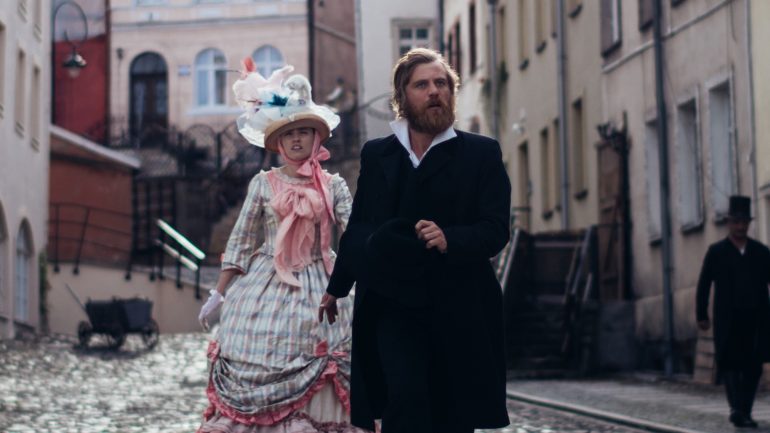
Among the films are Cambogia by Valerio Lundini, Club Kid by Jordan Firstman, The Idiot(s) by Małgorzata Szumowska and Michał Englert, Caro mondo crudele by Niccolò Falsetti and a significant number of debut features. Freestyle Arts, meanwhile, looks at artists and creative processes through titles devoted, among others, to Gabriele D’Annunzio, Ingeborg Bachmann, Siri Hustvedt, Pinocchio and stories connected with the art market.
The Idiot(s) by Małgorzata Szumowska and Michał Englert
On the series front, Rome is engaging directly with the global industry. The second season of All’s Fair brings Kim Kardashian, Naomi Watts, Niecy Nash and Sarah Paulson to the program, while Marvel will be represented by Vision Quest, starring Paul Bettany. Italian productions include Livatino – Il giudice e i suoi assassini by Michele Placido, Melania Rea by Stefano Mordini and Radici, a project connected with Daniele De Rossi and Ostiamare. The Series section comprises 11 titles.
It is an important step in the Fest’s identity: rather than treating serial storytelling as something separate, or merely as an opportunity for a television red carpet, Rome places it within the same cultural conversation traditionally reserved for cinema.
Documentaries and Special Screenings: reality takes center stage
One of the clearest strands running through the 2026 program is the growing presence of documentary filmmaking, represented in the competition and spread throughout Freestyle Arts and Special Screenings. During the program presentation, Malanga identified literary adaptations, the African presence, new generations of exiles, restorative justice, and the prominence of documentary cinema as recurring themes of this edition.
The Special Screenings span current affairs, culture, sport, music, architecture, and contemporary conflicts. Alex Gibney directs Knife: The Attempted Murder of Salman Rushdie, while Birds of War by Janay Boulos and Abd Alkader Habak, Un hiver russe (A Russian Winter) by Patric Chiha, Rehearsals for a Revolution by Pegah Ahangarani and The Secret Reading Club of Kabul by Shakiba Adil and Elina Hirvonen are also competing for the Best Documentary Award.
Rehearsals for a Revolution by Pegah Ahangarani
Art and architecture find space in Five Living Buildings (by Renzo Piano) and Fuksas – Da tutta la vita. Sport enters the picture through Federica – L’ultima Olimpiade, Cantona and The Match. Music runs through titles devoted to Jovanotti, Ezio Bosso and other figures from the contemporary scene, while Once Upon a Time in Harlem returns to 1972 and a gathering at Duke Ellington’s home involving some of the central figures of the Harlem Renaissance.
Javier Bardem and the best of the international festival season
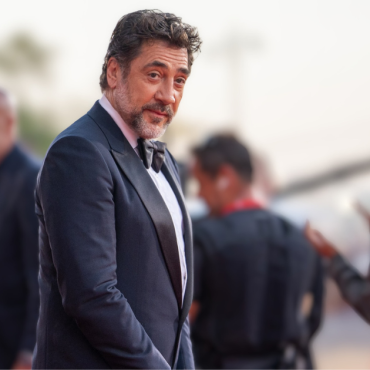
Best of 2026 is the section in which Rome connects most directly with the major international festival circuit. It will include El ser querido by Rodrigo Sorogoyen, which premiered at Cannes and stars Javier Bardem as Esteban Martínez, a legendary filmmaker whose personal history is marked by violence and excess.
Bardem will receive the Lifetime Achievement Award in Rome, presented to him by Paolo Sorrentino. The Spanish actor’s presence will therefore be more than celebratory, connecting the honor with a new film and one of the central filmmakers in contemporary European cinema.
Best of also includes Notre Salut by Emmanuel Marre, which will receive the inaugural Gillo Pontecorvo Award, established on the twentieth anniversary of the filmmaker’s death; Fatherland by Paweł Pawlikowski; La Bola Negra by Javier Calvo and Javier Ambrossi; The Only Living Pickpocket in New York by Noah Segan, starring John Turturro, Steve Buscemi and Giancarlo Esposito; as well as Fjord, Hopeu (Hope), Minotaur, Nina Roza, Mariage au goût d’orange and Ben’imana.
Penélope Cruz in La Bola Negra
Monica Vitti, Gillo Pontecorvo and the memory of cinema
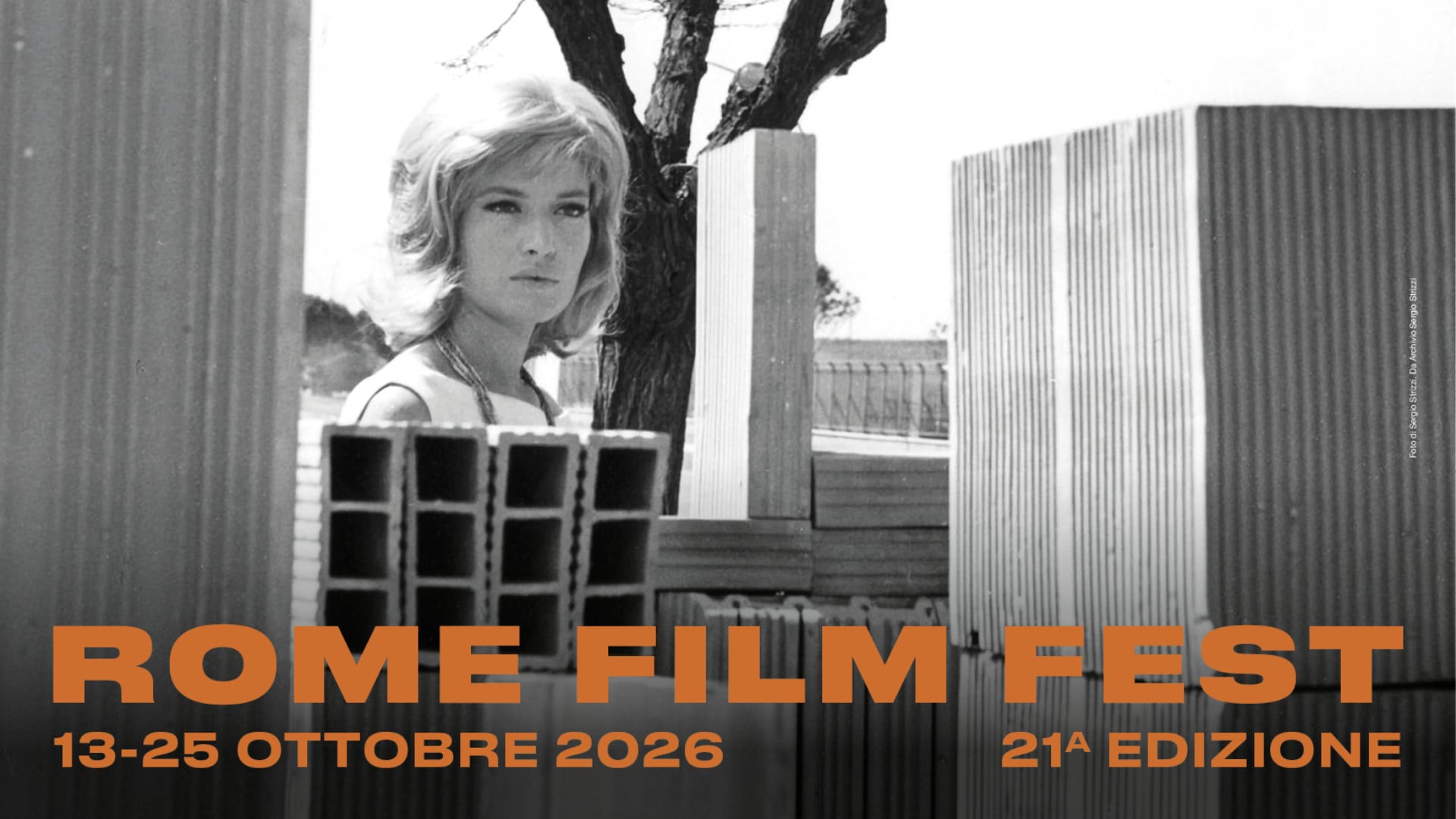
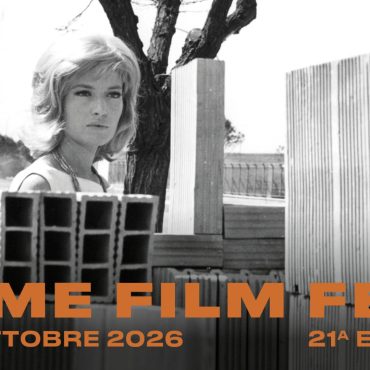
Film history is not confined to an appendix of the program. It is already present in the official image chosen for this edition: Monica Vitti, photographed by Sergio Strizzi on the set of Michelangelo Antonioni’s L’eclisse. Taken amid the modernist architecture of Rome’s EUR district, the image becomes the poster of the Fest in the year marking the 95th anniversary of the actress’s birth.
Sergio Strizzi will also be celebrated with an exhibition of around 30 photographs in the Foyer Petrassi, alongside the premiere of Terrific Sergio, a documentary by his daughters, Vanessa and Melissa Strizzi. L’Eclisse will also return to the big screen as part of the restored films in the Storia del Cinema section.
The historical program includes titles such as Les Amants du Pont-Neuf, Boogie Nights, Fight Club, Marie Antoinette, Mephisto, Pola X, Sexy Beast, Trainspotting and Trouble in Paradise, alongside documentaries devoted to Marco Bellocchio, Laura Betti, David Cronenberg, Robert Richardson, Roberto Perpignani and Carlo Monni.
The tribute to Gillo Pontecorvo is particularly extensive. La battaglia di Algeri returns in a restored version sixty years after winning the Golden Lion in Venice, while Casa del Cinema will also screen La grande strada azzurra, Kapò, Queimada and Ogro. The new Gillo Pontecorvo Award emerges directly from this program, with the aim of recognizing works that bring cinematic research and civic engagement into dialogue.
Lifetime Achievement Awards: Tessa Ross and Nicola Piovani
The opening night will also have a strong industry dimension. British producer Tessa Ross will receive the Industry Lifetime Achievement Award, presented by Edward Berger, with whom she worked on Conclave. The Fest will accompany the honor with a tribute featuring Billy Elliot, In Bruges, The Zone of Interest, The Lobster and Shame, five films that offer a clear sense of Ross’s impact on British and international cinema.
The Banca Ifis Music Award will also make its debut this year. Its first recipient will be Nicola Piovani, composer of more than 250 film scores and an Academy Award winner for La vita è bella. The award will be presented on October 13 in the Sala Sinopoli during the Fest’s opening ceremony.
The 21st edition appears determined to address one of the long-standing contradictions faced by every major film festival: how to function at once as an industry showcase, a space for critical and artistic exploration, and a popular cultural event. Rome’s answer is to multiply its languages rather than narrow them. There is Bardem alongside mainstream cinema, Boots Riley in the international competition, Marvel beside documentaries, Monica Vitti alongside contemporary series, restorations alongside first features. The result is a deliberately expansive program whose identity is likely to emerge through the connections between films, filmmakers, generations and different kinds of audiences.
The Fest begins on October 13 with Il rumore delle cose nuove. Genovese’s title almost inadvertently offers a definition of the entire 2026 program: listening to what is changing in cinema, while continuing to question what is worth preserving.
Roma allarga ancora il perimetro della sua Festa: tredici giorni di cinema, anteprime internazionali, grandi autori, nuovi talenti, serie, documentari e memoria del cinema, con Javier Bardem, Paolo Genovese e Monica Vitti al centro di un’edizione che attraversa la città.
Javier Bardem will be one of the major guests of the Rome Film Fest 2026, receiving the Lifetime Achievement Award and presenting Rodrigo Sorogoyen’s El ser querido.
Javier Bardem sarà tra i protagonisti della Festa del Cinema di Roma 2026: l’attore spagnolo riceverà il Premio alla Carriera, presenterà El ser querido e sarà celebrato da Paolo Sorrentino.
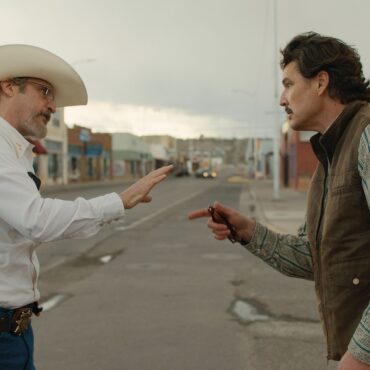
At the Rome Film Fest, director Ari Aster presents “Eddington”, his new film starring Joaquin Phoenix and Pedro Pascal — a modern Western about rivalry, paranoia and technology.
Javier Bardem will be one of the major guests of the Rome Film Fest 2026, receiving the Lifetime Achievement Award and presenting Rodrigo Sorogoyen’s El ser querido.