A Story Born from Personal Experience
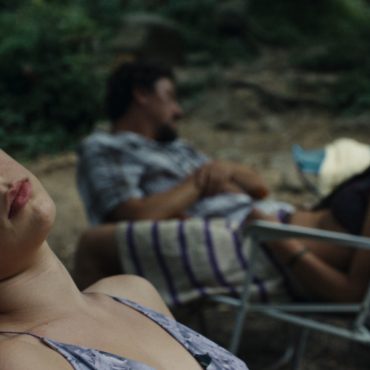
Set in Al Baraneya, the Egyptian village where Ashgan El-Hamus’s family comes from, the film was inspired by the filmmaker’s first visit there after the birth of her child.
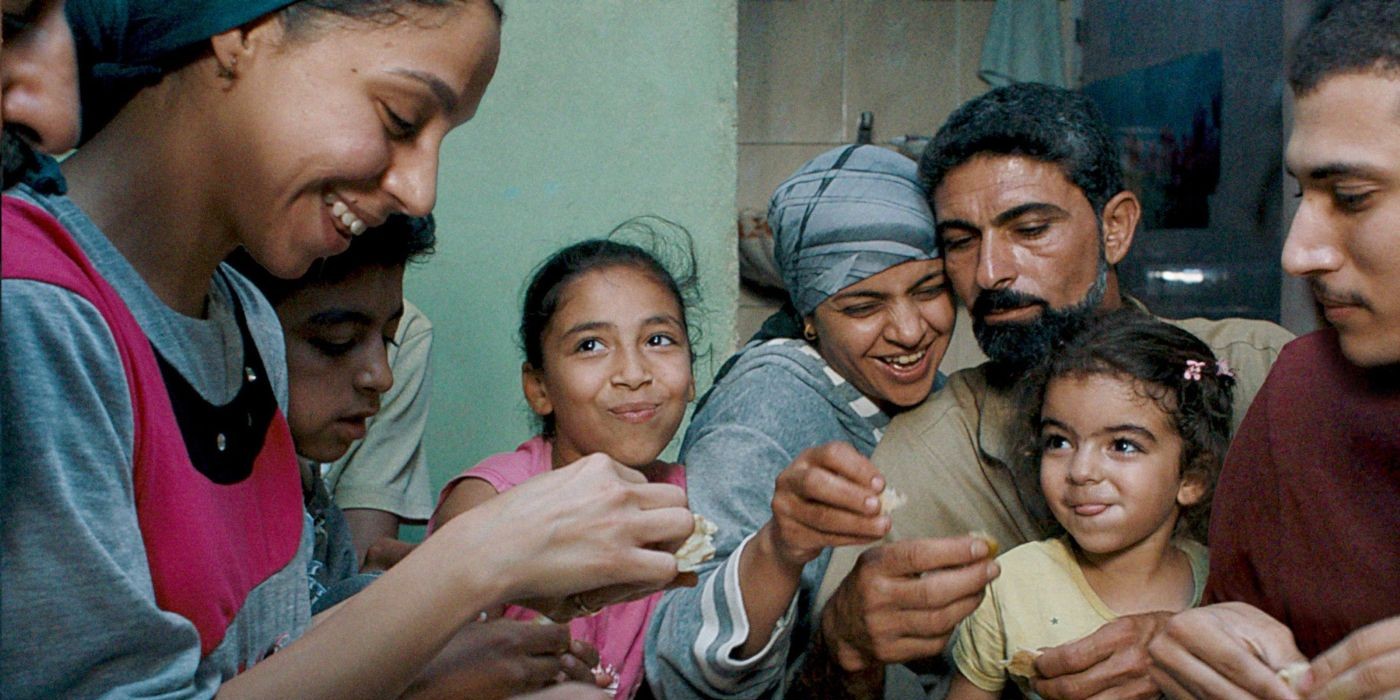
What initially appeared to be a simple day spent with her extended family became a profound experience of collective life. Sharing tea and dinner, surrounded by several generations of women, El-Hamus rediscovered a form of closeness and communal care that she sometimes misses in modern Western society.
That experience became the emotional starting point for Al Baraneya: a film about belonging, family and the ties that connect women across generations.
Between Safety and Constraint
In the film, the family is both a place of warmth and protection and a space marked by pressure, conflict and limited choices. El-Hamus wanted to preserve this complexity, avoiding both an idealised representation of village life and a purely oppressive one.
The character of Amal embodies this tension. Pregnant and preparing to become a mother, she is also still a young woman trying to understand who she wants to be. Her desire to move to Cairo places her between the traditions of her family and the possibility of building an independent life.
For Reem Amer, this inner conflict was central to the role. At nineteen or twenty, Amal is caught between different identities: she is about to become a mother, but she is still discovering her own desires and imagining a future beyond the village.
Bringing a Non-Professional Cast to the Screen
One of the film’s greatest challenges was working with members of the real family, many of whom had never acted before. The production brought together an Egyptian cast and crew with international collaborators, creating linguistic and practical obstacles that had to be resolved on set.
Amer became an essential link between the director, the non-professional performers and the production team. She helped the family members find their way through the scenes, responding when someone became uncertain and allowing moments of improvisation to develop naturally.
The specific accent of the village also required intensive preparation. Amer recorded conversations with the family in order to study their rhythm, pronunciation and way of speaking. Since many scenes were performed without interruption, she had to remain attentive to every reaction and help the other performers stay connected to the moment.
Women as the Real Decision-Makers
Behind the doors of the family home, Al Baraneya reveals a female world that is far more active and influential than the stereotypes often associated with Arab societies.
Inspired in part by her grandmother, whom she remembers as the true authority within the household, El-Hamus portrays women as the people who discuss, negotiate and make decisions together. Their power does not necessarily appear in public, but it shapes the life of the family.
The film deliberately moves away from the recurring image of Arab women as silent or powerless victims. Instead, it celebrates their humour, strength, solidarity and vitality.
For Amer, this perspective was immediately refreshing. On set, the actresses repeatedly returned to the idea that the women in the film were not oppressed: they had opinions, made choices and could be forceful, outspoken and unpredictable.
A Different Representation of Egyptian Womanhood
Rather than presenting a single definition of Arab womanhood, Al Baraneya gives space to a variety of female experiences. The women of the village are strong, complicated and deeply connected to one another, while still facing the restrictions and contradictions of their environment.
The film’s collective dimension is particularly important. Women spend time together, exchange advice and share responsibilities, creating a network that can be as comforting as it is demanding.
This sense of community also shaped the filmmaking process. Before shooting, the cast and crew spent time with the family in order to build genuine relationships. As Amer explains, getting to know the people behind the characters made the performances feel spontaneous and authentic.
Between Egypt and the Netherlands
El-Hamus’s dual cultural identity is also present in the film. Raised in Amsterdam and strongly connected to her Egyptian roots, she describes herself not as half-Dutch and half-Egyptian, but as both.
In Al Baraneya, this distinction becomes less visible. Surrounded by her family, the filmmaker no longer feels defined by the contrast between her appearance and the people around her. The boundaries between the two worlds begin to dissolve.
Amer experienced a similar feeling during the production. Spending time with the family made the village feel natural and complete, temporarily replacing the pressures of everyday life in Cairo with the simple rhythm of being together.
A Film About Belonging
At its heart, Al Baraneyais a story about the meaning of home. It looks at the family as a place of care, tension, memory and continuity, while also asking what happens when a young woman begins to imagine a life beyond it.
Through Amal’s journey and the women surrounding her, the film explores the relationship between tradition and change, individual freedom and collective identity. Its warmth does not erase its contradictions; instead, it makes them visible.
Plot
Pregnant Amal lives with her loving, chaotic family in Al Baraneya, a village surrounded by jasmine fields near Cairo. When a wealthy buyer offers to purchase their land, the family is torn apart. The arrival of Amal’s modern cousin from the capital inspires her to dream of moving to Cairo, forcing everyone to question their future, traditions and way of life.