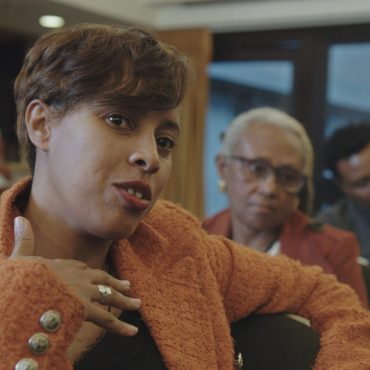


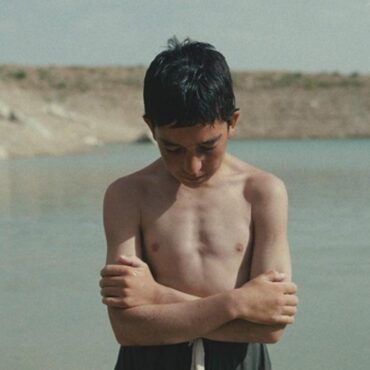
“Kabul, Between Prayers”, interview with director Aboozar Amini and producer Jia Zhao
"Kabul, Between Prayers" by director Aboozar Amini explores Afghanistan's war-torn reality through the lens of ordinary lives and personal healing.
Listeners:
Top listeners:
 play_arrow
ENGLISH Channel 01 If English is your language, or a language you understand, THIS IS YOUR CHANNEL !
 play_arrow
ITALIAN Channel 02 Se l’italiano è la tua lingua, o una lingua che conosci, QUESTO È IL TUO CANALE!
 play_arrow
EXTRA Channel 03 FRED Film Radio channel used to broadcast press conferences, seminars, workshops, master classes, etc.
 play_arrow
GERMAN Channel 04 Wenn Ihre Sprache Deutsch ist, oder Sie diese Sprache verstehen, dann ist das IHR KANAL !
 play_arrow
POLISH Channel 05
 play_arrow
SPANISH Channel 06 Si tu idioma es el español, o es un idioma que conoces, ¡ESTE ES TU CANAL!
 play_arrow
FRENCH Channel 07 Si votre langue maternelle est le français, ou si vous le comprenez, VOICI VOTRE CHAINE !
 play_arrow
PORTUGUESE Channel 08
 play_arrow
ROMANIAN Channel 09 Dacă vorbiţi sau înţelegeţi limba română, ACESTA ESTE CANALUL DUMNEAVOASTRĂ!
 play_arrow
SLOVENIAN Channel 10
 play_arrow
ENTERTAINMENT Channel 11 FRED Film Radio Channel used to broadcast music and live shows from Film Festivals.
 play_arrow
BULGARIAN Channel 16 Ако българският е вашият роден език, или го разбирате, ТОВА Е ВАШИЯТ КАНАЛ !
 play_arrow
CROATIAN Channel 17 Ako je hrvatski tvoj jezik, ili ga jednostavno razumiješ, OVO JE TVOJ KANAL!
 play_arrow
LATVIAN Channel 18
 play_arrow
DANISH Channel 19
 play_arrow
HUNGARIAN Channel 20
 play_arrow
DUTCH Channel 21
 play_arrow
GREEK Channel 22
 play_arrow
CZECH Channel 23
 play_arrow
LITHUANIAN Channel 24
 play_arrow
SLOVAK Channel 25
 play_arrow
ICELANDIC Channel 26 Ef þú talar, eða skilur íslensku, er ÞETTA RÁSIN ÞÍN !
 play_arrow
INDUSTRY Channel 27 FRED Film Radio channel completely dedicated to industry professionals.
 play_arrow
EDUCATION Channel 28 FRED Film Radio channel completely dedicated to film literacy.
 play_arrow
SARDU Channel 29 Si su sardu est sa limba tua, custu est su canale chi ti deghet!
 play_arrow
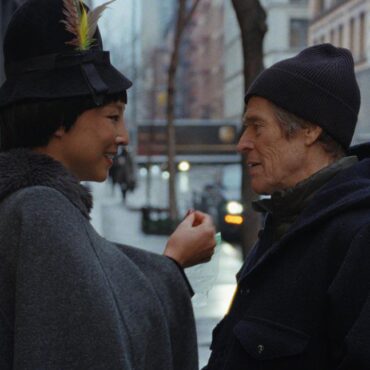
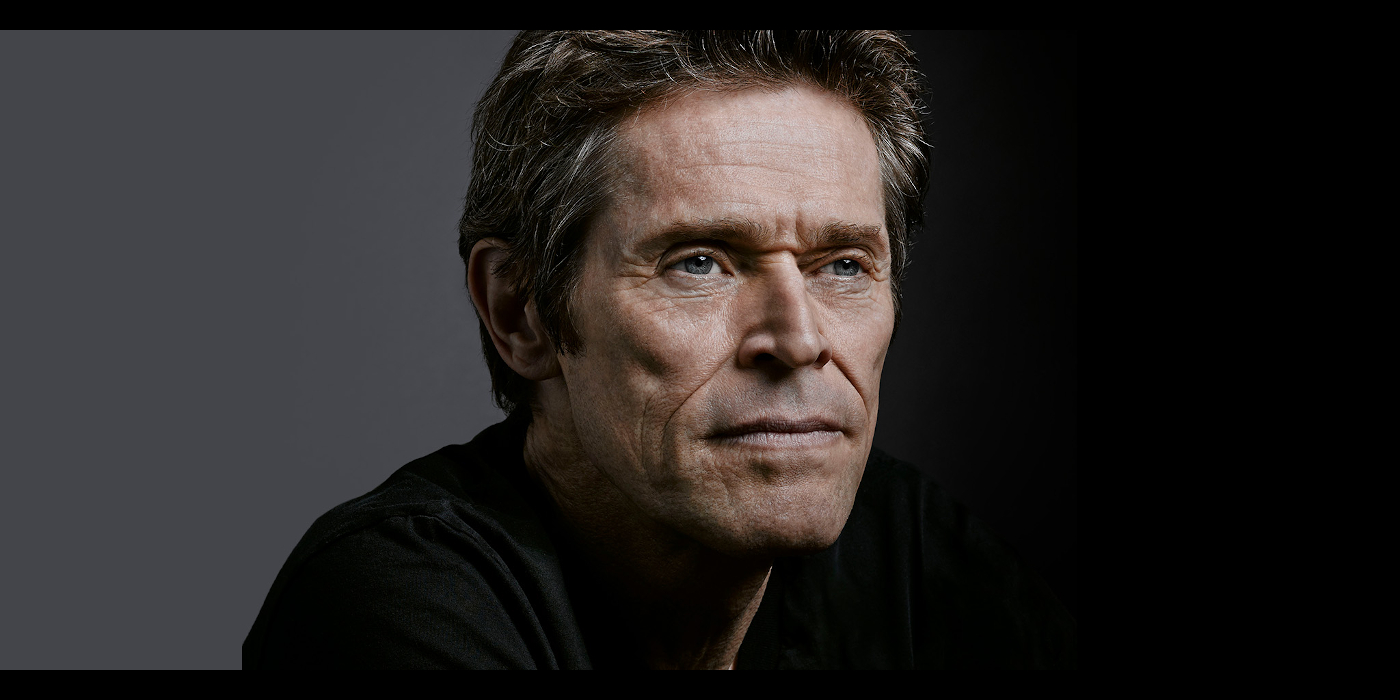
“Conversation with” at the 20th Marrakech IFF, interview with actor Willem Dafoe Bénédicte Prot
 play_arrow
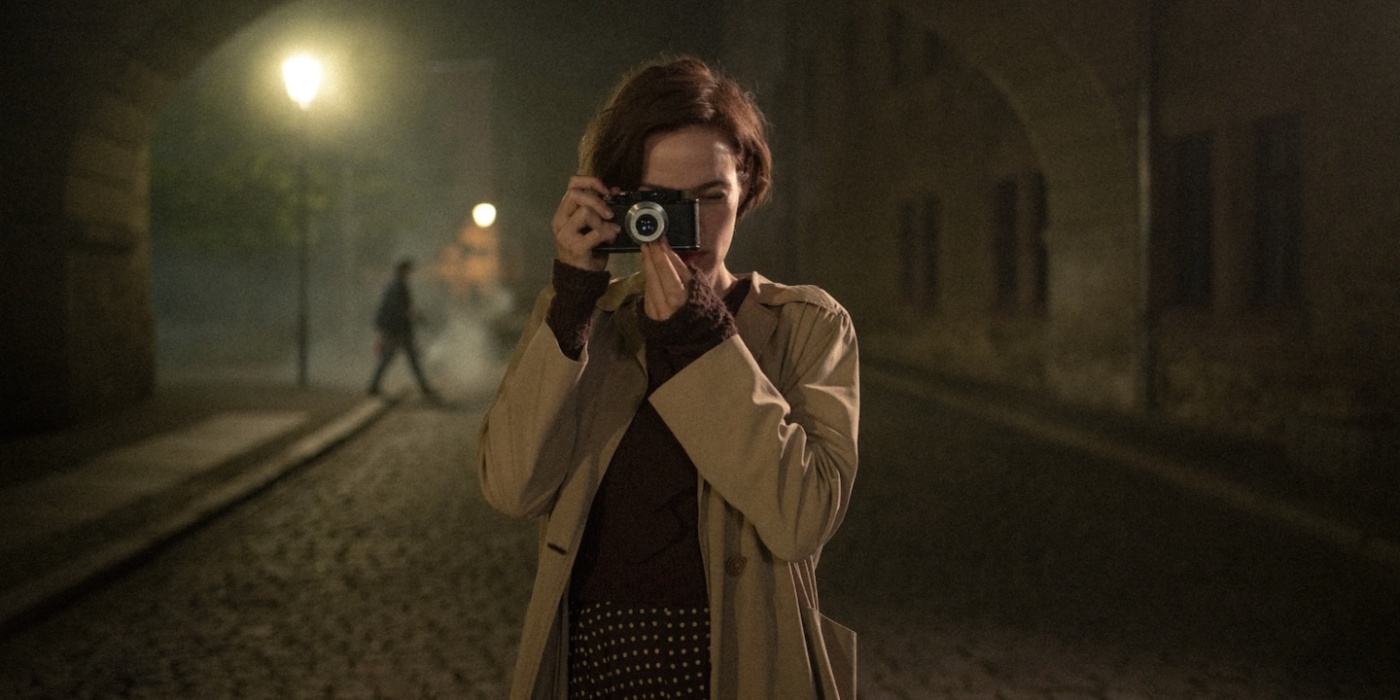
"La ragazza con la Leica", interview with director Alina Marazzi and actress Emilia Schüle Chiara Nicoletti
The Girl with the Leica opens the Orizzonti section of the 83rd Venice International Film Festival 2026. Directed by Alina Marazzi, with lead actress Emilia Schüle, the film follows the photographer Gerda Taro: her life in Germany in the early 1930s, her exile in Paris, where she meets fellow exile Robert Capa, and her work documenting the consequences of war on the civilian population in Spain.
On FRED, Alina Marazzi and Emilia Schüle introduce The Girl with the Leica starting from a sentence Gerda Taro says at one point in the film: “My photos will prove that the real crime is doing nothing.”
Asked whether Gerda Taro’s photography still speaks to today’s world, Emilia Schüle ties the film directly to the present. “The film is definitely asking this question. It’s reminding us of the power of images and of the responsibility of those people who are shown in the picture and also the people who are witnessing what is shown in the picture. It’s asking us not to get numb, not to look away.” For Alina Marazzi, Gerda Taro’s example is above all about presence and participation. “What Gerda Taro can teach us still today is to be present to our time, and to take part in history. She wanted to give her contribution with her photographs. She wanted to show, for instance, the consequences of war on the civilian population in Spain.” Marazzi draws a direct line to the present: “What’s very important today is that people who are the same age Gerda was then are independent freelance journalists, video makers who very bravely go over to Gaza or Ukraine to document what’s happening there in order to let the world know.”
Asked how the film gently sets Robert Capa aside despite his part in the story, Marazzi and Schüle start with the title itself. “The film is called The Girl with the Leica. If we were called The Boy with the Leica, maybe we would be somewhere else.” At the time the story is set, when Gerda Taro and Robert Capa met, Capa was only twenty-one: “He was already a photographer full of energy and determination. He had a big drive. But at the time they were very young kids and they were finding out who they were while they were experiencing it. So he wasn’t already the famous war photographer to be known later in the years.” The film, they explain, keeps its focus on Gerda: not only her time in Spain, but where she comes from, Germany in the early ’30s, and her life as an exile in Paris, where she meets other exiles such as Robert Capa. “Capa is one of the main characters, but the protagonist is Gerda. It’s really about her authorship and becoming her own artist, using her own voice that started together with Robert Capa, but it’s about becoming Gerda Taro.”
Paris, July 14, 1937. Gerda Taro spends her final day before returning to the Spanish front with Robert Capa and the close friends with whom she escaped Nazi Germany. As past and present intertwine, the defining moments of her life resurface: her political activism in Leipzig alongside her first love, her years of exile in Paris, her whirlwind romance with Capa, her discovery of photography, and her growing determination to use her Leica as a tool for resistance and freedom. A portrait of the first female photojournalist to die on the battlefield, Gerda Taro embodied an era when everything still seemed possible.
"Kabul, Between Prayers" by director Aboozar Amini explores Afghanistan's war-torn reality through the lens of ordinary lives and personal healing.
Interview with Ildikó Enyedi, Enzo Brumm and Luna Wedler, director and actors of "Silent friend", a story about human connections
Interview for "Late Fame", directed by Kent Jones and presented at Orizzonti in Venice 82, with director Kent Jones and actor Edmund Donovan
Tamara Kotevska, with "The Tale of Silyan", tells a delicate tale of folklore and history set in Northern Macedonia.
Eva Sangiorgi, director of the Viennale 2026, on a city festival with over 100 features, no competition and a Robert Aldrich retrospective.
Ruth Beckermann on Wax & Gold, her documentary on Ethiopia seen through a hotel in Addis Ababa, at the Rome Film Fest 2026.
A dark fairy tale about growing up, belonging and the fear of being replaced. Bàrbara Farré and Diego Betancor discuss the personal origins of Mala Bèstia, its unsettling vision of adolescence and the decision to make a debut feature without …
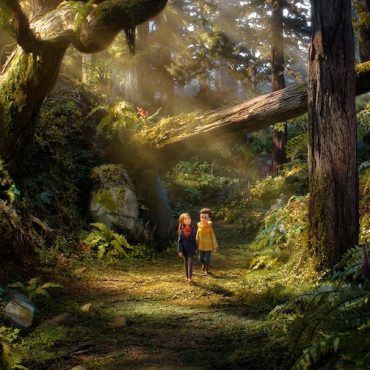
Character designer Thibault Leclercq talks about Wildwood and its stop-motion puppets, at the 24th edition of Alice nella Città.