PODCAST | Matt Micucci interviews Maura Delpero, director of the film Maternal.
An interview with Maura Delpero, director of Maternal, presented in the Love section of the 2019 BFI London Film Festival. The film is a fascinating portrayal of motherhood set in a women’s refuge in Argentina – known as a hogar. Delpero shares with us the reason why she became interested in this particular setting for the story and how she aimed to represent the theme of motherhood – the precocious one of the adolescent mothers who live in the refuge, and the absence of motherhood of the nuns who run the refuge. Among other things, she also talks about her interesting research process during which she gathered all the information, the documentary influence and the way in which she worked with her cast.
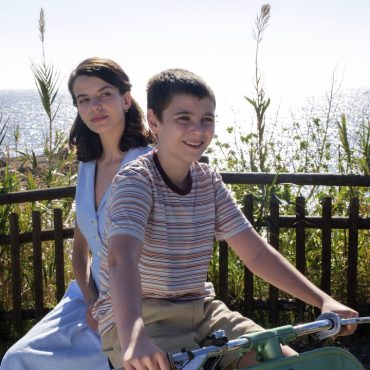
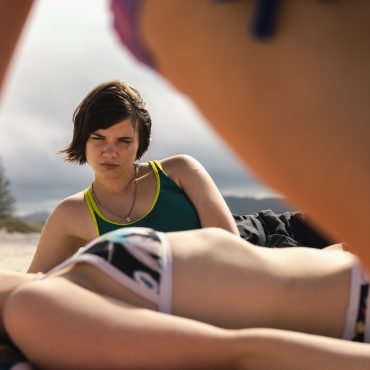
Maternal: Lu is a disruptive, rebellious teenage mother. She lives with her daughter Nina in a women’s refuge, or ‘hogar’, run by a group of nuns in Buenos Aires. The arrival of Paola, a sympathetic Italian nun who takes a shine to Nina, coincides with Lu going missing. What ensues is a sensitively realised and ultimately heartbreaking portrait of life in a refuge. With its collection of diverse occupants who run the gamut from tough to vulnerable and who are invariably impoverished, as well as the predominantly elderly nuns who support them, the hogar is depicted with gritty verisimilitude. But there’s also genuine empathy here, aided in no small part by the quality of the performances. Understated and all too believable, this is a striking feature debut from Maura Delpero.
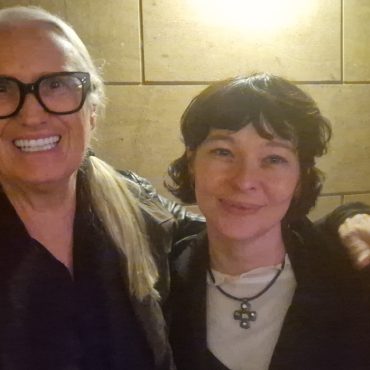
Big girls don't cry captures the wild, unfiltered world of teenage life in 2006—and the filmmaker’s journey from Jane Campion’s mentorship to the big screen.
Clio Barnard's I See Buildings Fall Like Lightning leads the Rome Film Fest 2026 winners, with major awards also going to Congo Boy, Mustang and The Life and Deaths of Wilson Shedd. The complete list of winners and the festival's …
At the Rome Film Fest 2026 with Me, You, protagonist Sonia Ammar on Caia, the young woman at the heart of Bille August’s film and on the invisible scars of war