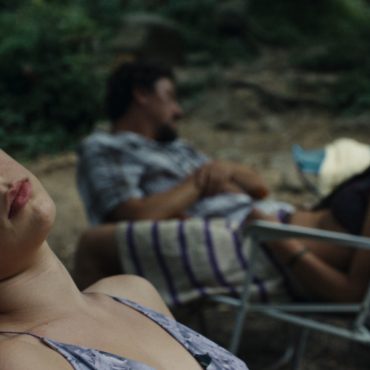


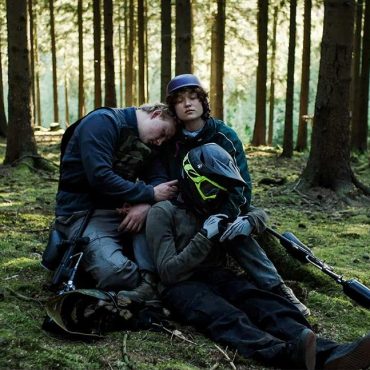
“Oase”, interview with director Jannis Lenz
Jannis Lenz, director of Oase, at Venice 2026 on youth, social media and the desire to escape visibility.
Listeners:
Top listeners:
 play_arrow
ENGLISH Channel 01 If English is your language, or a language you understand, THIS IS YOUR CHANNEL !
 play_arrow
ITALIAN Channel 02 Se l’italiano è la tua lingua, o una lingua che conosci, QUESTO È IL TUO CANALE!
 play_arrow
EXTRA Channel 03 FRED Film Radio channel used to broadcast press conferences, seminars, workshops, master classes, etc.
 play_arrow
GERMAN Channel 04 Wenn Ihre Sprache Deutsch ist, oder Sie diese Sprache verstehen, dann ist das IHR KANAL !
 play_arrow
POLISH Channel 05
 play_arrow
SPANISH Channel 06 Si tu idioma es el español, o es un idioma que conoces, ¡ESTE ES TU CANAL!
 play_arrow
FRENCH Channel 07 Si votre langue maternelle est le français, ou si vous le comprenez, VOICI VOTRE CHAINE !
 play_arrow
PORTUGUESE Channel 08
 play_arrow
ROMANIAN Channel 09 Dacă vorbiţi sau înţelegeţi limba română, ACESTA ESTE CANALUL DUMNEAVOASTRĂ!
 play_arrow
SLOVENIAN Channel 10
 play_arrow
ENTERTAINMENT Channel 11 FRED Film Radio Channel used to broadcast music and live shows from Film Festivals.
 play_arrow
BULGARIAN Channel 16 Ако българският е вашият роден език, или го разбирате, ТОВА Е ВАШИЯТ КАНАЛ !
 play_arrow
CROATIAN Channel 17 Ako je hrvatski tvoj jezik, ili ga jednostavno razumiješ, OVO JE TVOJ KANAL!
 play_arrow
LATVIAN Channel 18
 play_arrow
DANISH Channel 19
 play_arrow
HUNGARIAN Channel 20
 play_arrow
DUTCH Channel 21
 play_arrow
GREEK Channel 22
 play_arrow
CZECH Channel 23
 play_arrow
LITHUANIAN Channel 24
 play_arrow
SLOVAK Channel 25
 play_arrow
ICELANDIC Channel 26 Ef þú talar, eða skilur íslensku, er ÞETTA RÁSIN ÞÍN !
 play_arrow
INDUSTRY Channel 27 FRED Film Radio channel completely dedicated to industry professionals.
 play_arrow
EDUCATION Channel 28 FRED Film Radio channel completely dedicated to film literacy.
 play_arrow
SARDU Channel 29 Si su sardu est sa limba tua, custu est su canale chi ti deghet!
 play_arrow
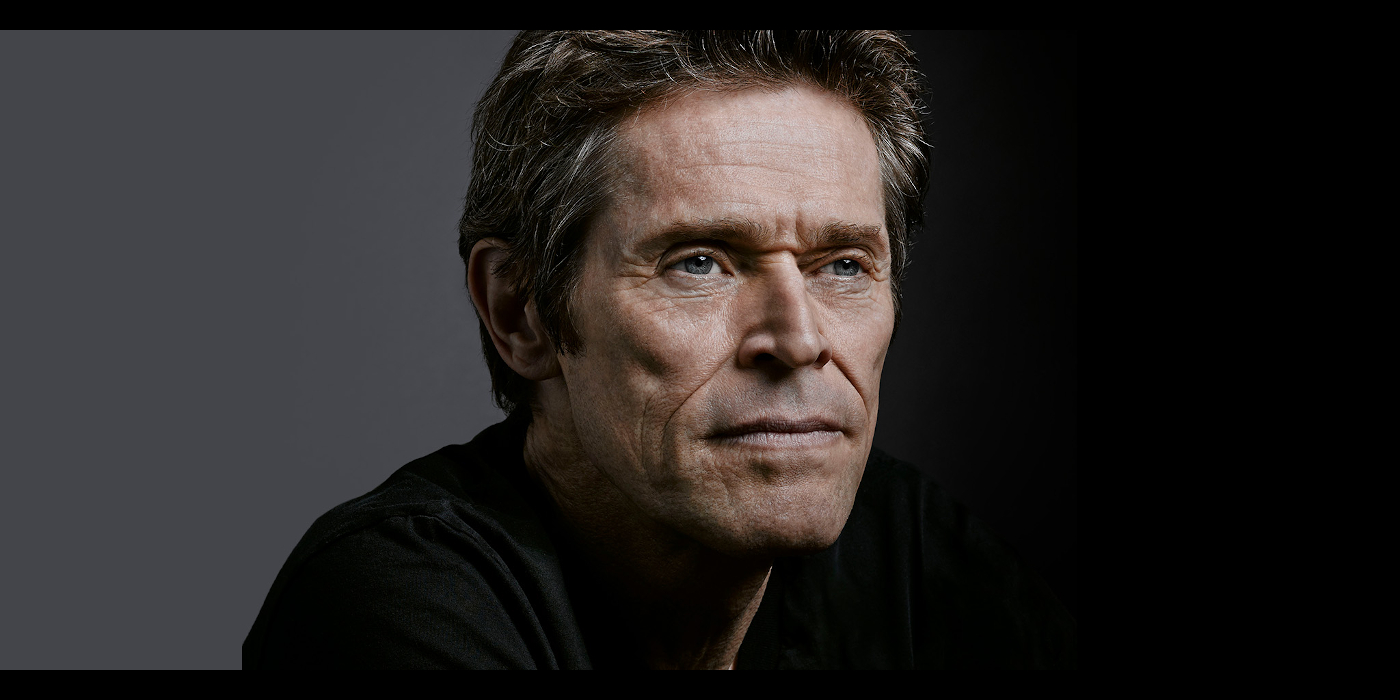
“Conversation with” at the 20th Marrakech IFF, interview with actor Willem Dafoe Bénédicte Prot
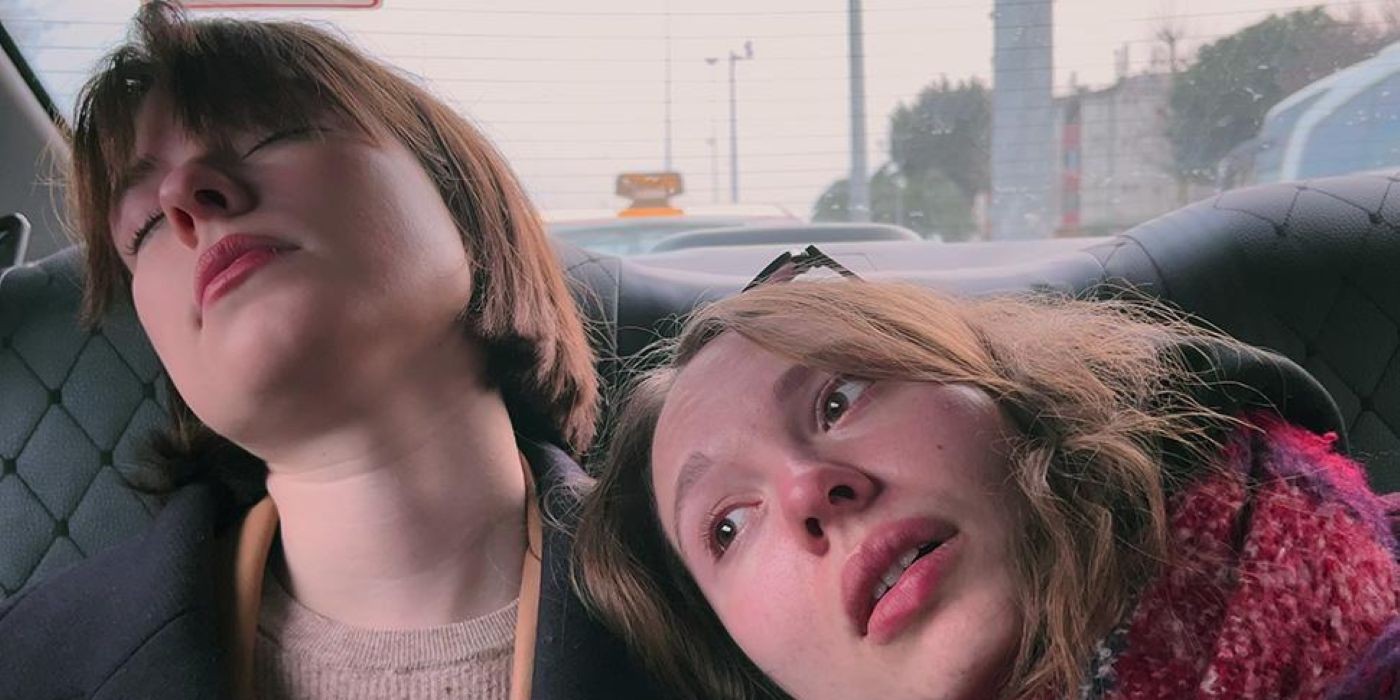
In My Undesirable Friends: Part II – Exile, Julia Loktev continues the story begun in the first chapter of her documentary project. Presented in the Venice Open – Out of Competition – Non-Fiction section at the 83rd Venice Film Festival, the film follows a group of independent Russian journalists across four years of displacement.
Loktev began filming in Russia four months before the full-scale invasion of Ukraine. At the time, she was documenting journalists who had been labelled “foreign agents,” without knowing that her work would soon capture one of the most dramatic turning points in recent history.
When the war began, the subjects of the first film were forced to leave Russia within hours. Loktev followed them, travelling from Istanbul through several other countries. The film was eventually shot in twelve countries, reflecting the constant movement of people who had been expelled from both their professional and personal lives.
The documentary portrays these journalists as they attempt to rebuild their careers abroad while continuing to report the truth to Russian audiences. Their exile is not only geographical; it also becomes a struggle to preserve their identity, ethics and sense of belonging.
Shot entirely alone with an iPhone, Exile maintains an extraordinary physical closeness to its subjects. Loktev explains that the camera often occupies the same distance as a friend standing beside them, creating an intimate and immediate relationship.
This proximity allows the film to move beyond observation. The camera becomes almost another presence within the group, sharing moments of uncertainty, conflict and tenderness as the protagonists try to navigate an unpredictable new reality.
At the centre of the film is a profound question: how can someone remain a decent person when they come from a country committing terrible acts? The journalists featured in Exile refuse to hide behind the distance of “not my president.” Instead, they confront the responsibility of being citizens of the country waging the war.
For Loktev, this accountability is both personal and professional. Her subjects continue to identify the Russian army as “our army” even while reporting its war crimes, accepting the moral weight of speaking about their country’s actions.
Over the course of four years, the film also captures unexpected changes in the lives of its protagonists. Pyotr Zyvin, a journalist since the age of eighteen, eventually joins the Ukrainian army after deciding that reporting was no longer enough. Others fall in love, separate or develop new friendships.
These transformations underline the film’s most human dimension: history does not stop personal life. Even in exile, people continue to make difficult choices, form relationships and search for a way forward.
Loktev and her collaborators dream of making a third chapter, but only if the political situation in Russia changes enough for the journalists to return. At present, all of them would risk arrest if they went back.
The next instalment, if it ever becomes possible, may be many years away. For now, My Undesirable Friends: Part II – Exile stands as a record of displacement, courage and ethical responsibility in a time of war.
play_arrow
“My Undesirable Friends: Part II – Exile”, Interview with director Julia Loktev Laura Della Corte
After Russia invades Ukraine and shuts down independent media, a group of young journalists flees Moscow with only a few hours’ notice. Scattered across twelve countries over four years, they rebuild their lives while reporting on the war, exposing Russian propaganda and confronting the moral cost of exile. Through dark humour, friendship and resilience, they search for a new meaning of work, family and home in a country they may not return to for decades.
Jannis Lenz, director of Oase, at Venice 2026 on youth, social media and the desire to escape visibility.
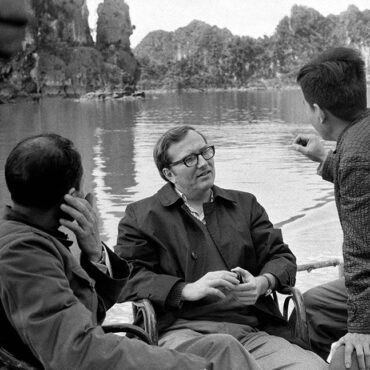
Laura Poitras comes back to Venice, this time with Mark Obenhaus, for a documentary film on the world famous investigative reporter Seymour Hersh and his work and career. A politically challenging and strong film about the need of investigative free …
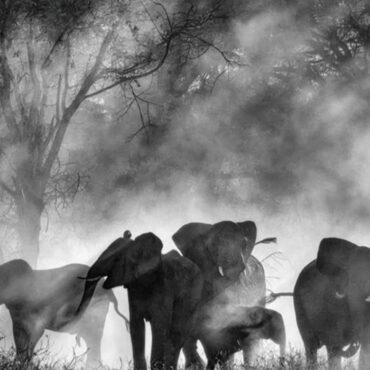
Werner Herzog, at the Venice Film Festival to present his last documentary "Ghost Elephants", also received the Lifetime Achievement award. We talked about both things , before the world premiere of the film
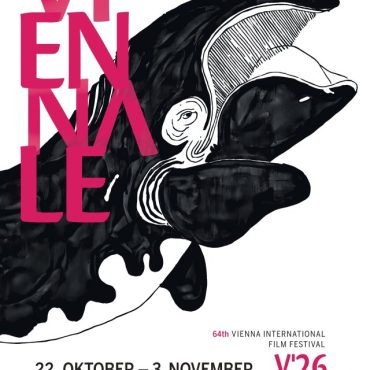
Eva Sangiorgi, director of the Viennale 2026, on a city festival with over 100 features, no competition and a Robert Aldrich retrospective.
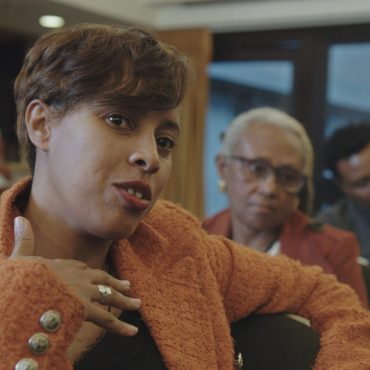
Ruth Beckermann on Wax & Gold, her documentary on Ethiopia seen through a hotel in Addis Ababa, at the Rome Film Fest 2026.
A dark fairy tale about growing up, belonging and the fear of being replaced. Bàrbara Farré and Diego Betancor discuss the personal origins of Mala Bèstia, its unsettling vision of adolescence and the decision to make a debut feature without …
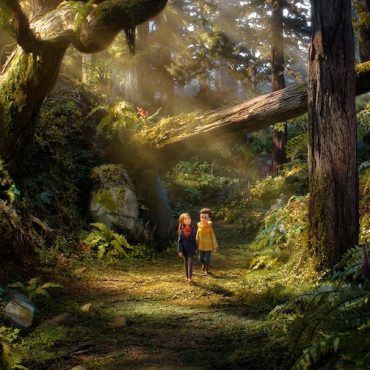
Character designer Thibault Leclercq talks about Wildwood and its stop-motion puppets, at the 24th edition of Alice nella Città.