PODCAST | Matt Micucci interviews Kateryna Gornostai, director of the film Stop-Zemlia.
A conversation with Kateryna Gornostai, director of Stop-Zemlia, the Crystal Bear-winning film from this year’s Generation 14plus strand at the Berlinale. The film depicts the lives of a class of adolescents in contemporary-times Ukraine. In this film, Gornostai shares the interesting process that helped the film come to like and her documentary roots, which contributed to the shaping of Stop-Zemlia, among other things.
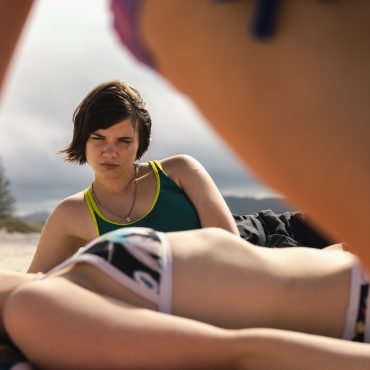
Stop-Zemlia: It‘s Masha, Yana and Senia‘s last but one year of high school. Among the thriving pot plants in the classroom and to the sound effects of a Biology lesson about physical signs of stress, the young protagonists grapple with themselves and with one another. 16-year-old Masha is the quiet center of Kateryna Gornostai’s feature debut. Steering clear of both simplified narratives and overly simplistic psychology, the film depicts her as introverted, sensitive and in love with Sasha, another classmate whose aloofness and passivity she finds a perpetual challenge. When Masha is dancing alone in her room at night, high above the rooftops of a city somewhere in the Ukraine, nothing about it feels staged. Rather, it is an invocation of the moment, of genuine emotion – and of pain.
To discover more about the 71st edition of Berlin International Film Festival, click here.
Big girls don't cry captures the wild, unfiltered world of teenage life in 2006—and the filmmaker’s journey from Jane Campion’s mentorship to the big screen.
Clio Barnard's I See Buildings Fall Like Lightning leads the Rome Film Fest 2026 winners, with major awards also going to Congo Boy, Mustang and The Life and Deaths of Wilson Shedd. The complete list of winners and the festival's …
At the Rome Film Fest 2026 with Me, You, protagonist Sonia Ammar on Caia, the young woman at the heart of Bille August’s film and on the invisible scars of war