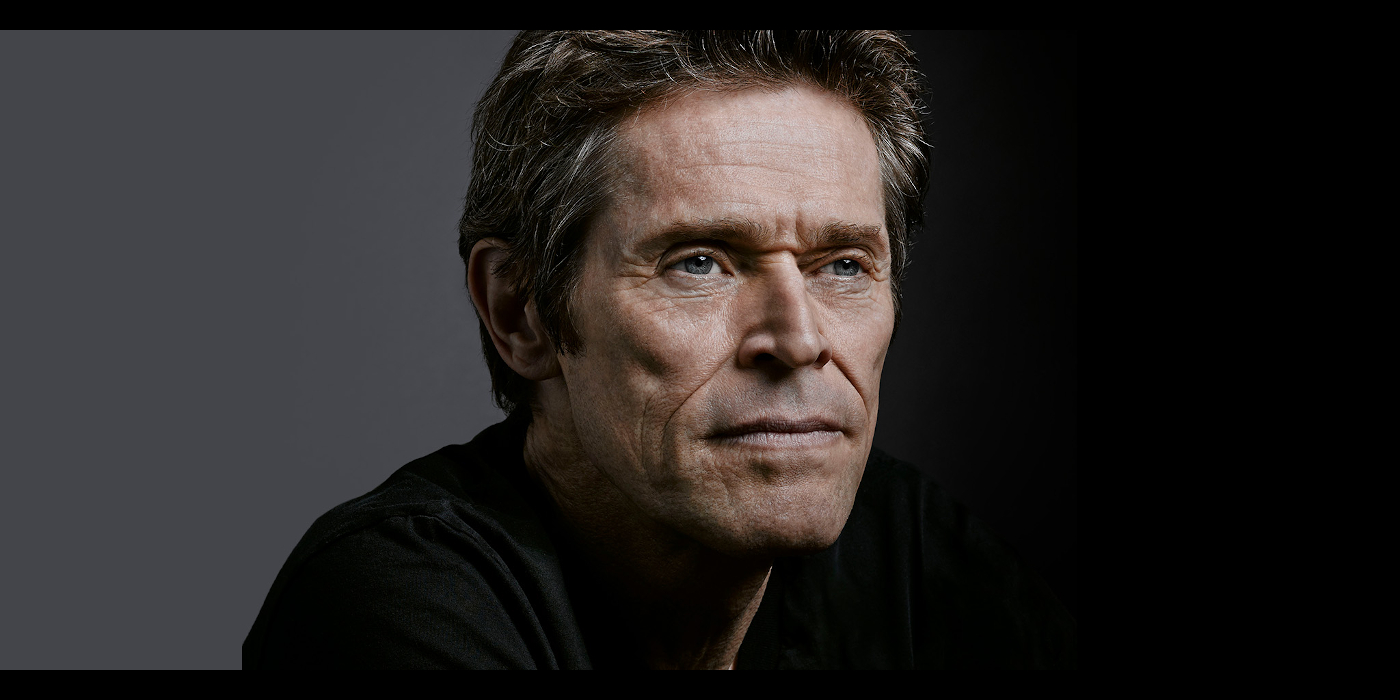
Venice Film Festival 2026, Peter Tatchell: “Derek Jarman was an incredible, innovative, pioneering cultural revolutionary. He was polite, charming, but a revolutionary in art, film, and many other forms”
play_arrow
"Queer Edward", interview with director Theo Rollason and film advisor Peter TatchellChiara Nicoletti
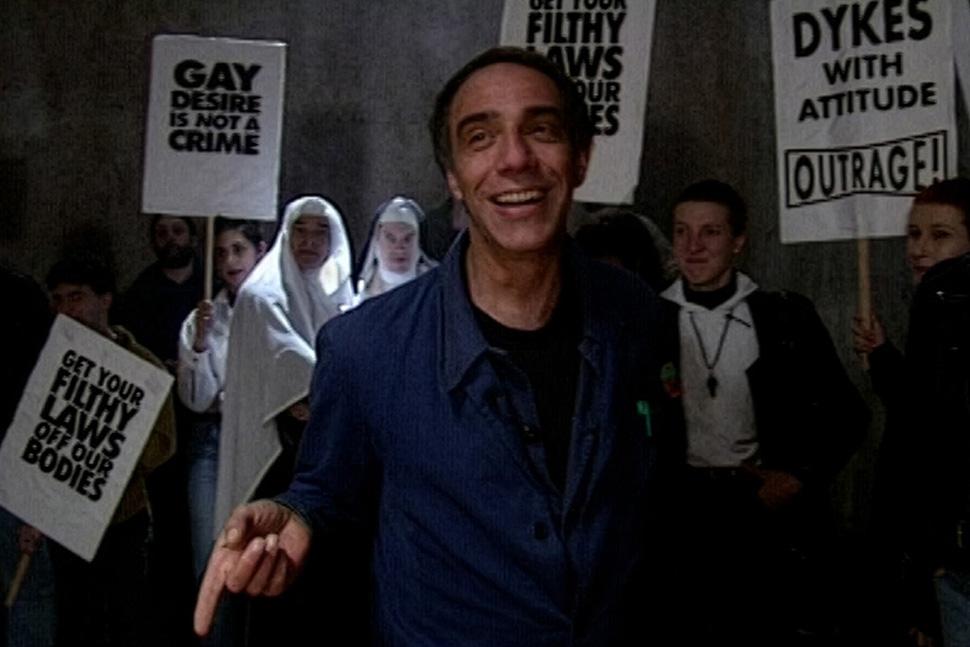
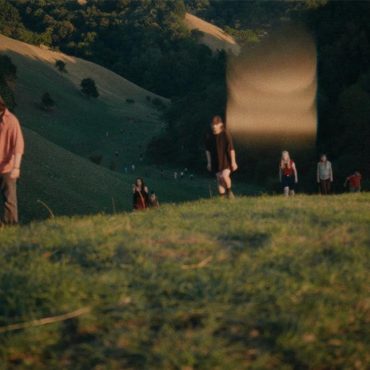
Presented out of competition in the Open section of the 83rd Venice International Film Festival, Queer Edward II is set in the spring of 1991, as queer life in Britain faces renewed attack and filmmaker Derek Jarman adapts Christopher Marlowe’s Edward II into a radical protest film. Built from never-before-seen footage shot by Seamus McGarvey on Jarman’s set, the documentary is about the refusal to separate art from life, politics from pleasure. Director Theo Rollason and activist and film advisor Peter Tatchell talk to David Mart about how the archive came to Rollason, Jarman’s legacy as a cultural revolutionary, the reclaiming of the word queer, and the rights their subjects fought for that are once again under threat today.
An archive that came looking for him
Asked why this story, for his first feature film, Rollason traces it back to the footage itself: “It’s an entirely archival film and the archive kind of came to me. I was working as an archivist and was asked to give an opinion about this footage that no one had seen for 35 years”. He describes the pull he felt toward one thread within it: “And very quickly, maybe slightly bigheaded of me, I thought this is an amazing film that needs to be made and I really want to make it because I feel a really strong attachment to a particular story within this footage about queer rights in the UK in the late 80s and early 90s which I felt was under told, hadn’t been told enough, certainly not to the extent that I was familiar enough with it”.
Derek Jarman, a polite revolutionary
Asked to explain Jarman’s importance to viewers who may not know him, Tatchell describes a figure both gentle and radical: “Derek Jarman was an incredible, innovative, pioneering cultural revolutionary. He was polite, charming, but a revolutionary in art, film, and many other forms”. And, he adds, that radicalism always carried a purpose beyond the work itself: “In his films he tried to not only produce great art but also to tell a social message, to have a moral purpose, and in particular to expand understanding and consciousness about the struggle of LGBT+ people, and that for him was really, really important”.
Reclaiming a word: “I am queer”
Asked how the meaning of the word queer has shifted since the period the film covers, Rollason describes a term still being contested at the time: “The period that we’re looking at in the film is kind of when queer was still being adopted as a word in the UK. It had come over from America and the Queer Nation, and it wasn’t at all without controversy”. He explains why Jarman embraced it, unlike the label that came before it: “He always had a difficult relationship with what was the gay community, that he always put in scare quotes, because he didn’t feel totally represented by it and it felt maybe too prescriptive for him at times. And I think queer as a term, as a reclaimed term, just felt like something exciting, something more expansive, and something that they could turn around and say, well, screw you if you’re going to call me queer, I am queer”. Tatchell adds that for Jarman the word pointed toward something larger than equality: “So for him, the use of the word queer was a defiant affirmation that he had a vision of something bigger and better, which would not only benefit LGBT+ people, but also straight people as well. So his idea of queer was beyond equality, equality plus, a transformation of society rather than a fitting into it”.
A backlash across the world
Asked whether the sense of progress on LGBT+ rights felt a decade ago is now being reversed, Tatchell lays out a global picture that is still far from won: “Even assuming the battle was won, it was only won in the West. There are still over 60 countries in the world that criminalize same-sex relations. 12 have the death penalty and 43 have various restrictions on trans people. So globally the battle is far from won”. He describes the backlash now reaching the West as well: “Even in the West the gains we’ve won are under attack and we are witnessing a backlash, particularly targeted at the trans community, but not entirely, and that is scary. The rise of the far right in Europe and the United States is a very, very frightening moment. It has echoes of a dark past and so far democracies are more or less holding the line, but things are very, very threatening”. A pressure, he adds, that reaches well beyond LGBT+ people: “I think not just LGBT+ people, but also Black and ethnic minorities, immigrants, refugees, Muslims, Jews are all feeling pressure”. For Tatchell, that is exactly what makes Jarman’s film still speak to the present: “In a sense Edward II, Derek Jarman’s film, was really a statement or a kickback against marginalization, in his case the marginalization of LGBT+ people, but also in a wider sense against all people who are marginalized, discriminated, and victimized”.
Plot
Spring 1991: queer life is under renewed attack in Britain, and filmmaker Derek Jarman is adapting Christopher Marlowe’s Edward II into a radical protest film. Drawing on never-before-seen footage shot by Seamus McGarvey on Jarman’s set, Queer Edward II is about the refusal to separate art from life, politics from pleasure.
"Until the Day Ends", by director Jelena Maksimović, explores love across political divides, capturing Serbia's protests and the hope for change in a powerful, cinematic journey.
Venice Film Festival 2026: Orlando Bloom and Domhnall Gleeson on working with a master, an unrepeatable script, and the twin performances of Kate and Rooney Mara in Bucking Fastard
"Listy-Letters from the Silenced Country" by director Andrei Kutsila reveals intimate stories of Belarusian prisoners and exiles, giving voice to resilience and hope amid repression.
"Guria" by director Levan Koguashvili offers a captivating blend of humor and tragedy set in 90s Georgia, highlighting human resilience and authentic stories from post-Soviet times.
Too much sugar by Robert Greene, in the Orizzonti section at the Venice Film Festival reveals raw stories of redemption, family, and healing through a bold documentary that challenges perceptions and inspires change.