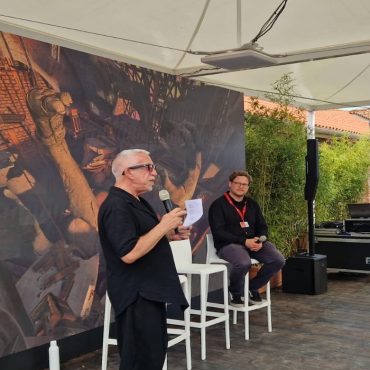
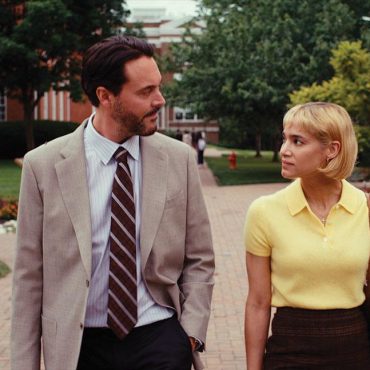
Furies, by Rami Kodeih, was presented at the Venice Film Festival 2026. We talked with Kodeih, director and screenwriter, and Nora Mariana, screenwriter and producer of the film, to understand more about the reality on which the film is based, and how it inspired the creative process.
A Real, Surreal Situation
Mariana and Kodeih explain what happened: it started in the fall of 2019. Almost overnight, banks stopped giving people access to their own accounts. The situation remains the same today. “Personally, we never got our savings back. People learn to cope with that.” The film was written as a fantasy of what they wished they could do: as one example among millions of people who had their money stuck, Nora’s family had to sell their grandfather’s home to help pay for a surgery. “But people relied on each other — on family abroad, on their community — to survive a very challenging economic crisis.”
A Film About Frustration and Resilience
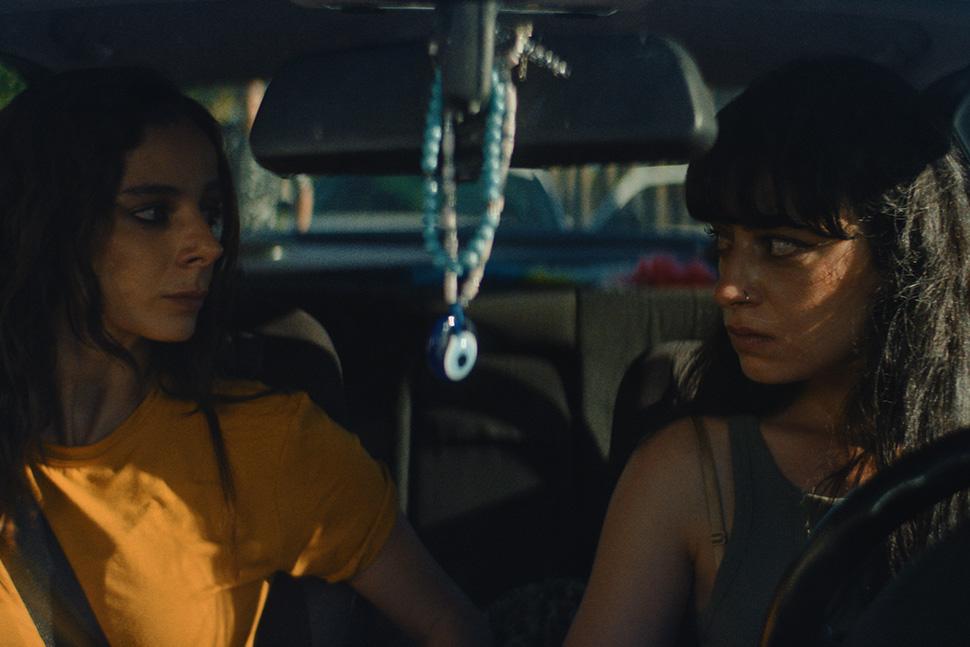
Kodeih points out that everyone in the film is deeply frustrated by the situation: everybody has to find a way out of it. So the two main characters decide to rob a bank — the only way they see to get their money back. The idea came about in 2019: Kodeih and Mariana had long wanted to make a heist film. Then the crisis happened and affected them directly, shaping how they were living and their plans for the future. It was almost inevitable that the film would take that direction — a heist film, but a very personal one.
Irony and Comedy as an Additional Tone
The two chose a lighter, more ironic tone, since the two sisters at the center of the story are not professional criminals, and the film shows it repeatedly. Kodeih and Mariana believe that’s how people really are in life — so they tried to stay honest throughout the making of the film, scene by scene, putting themselves in the characters’ shoes and imagining how they would actually react to the situation. And because they’re regular people, it feels natural for dark humor to emerge — a way people cope with disaster.
Plot
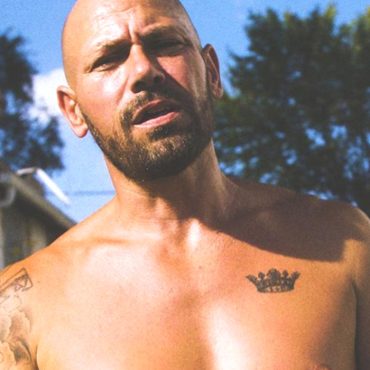
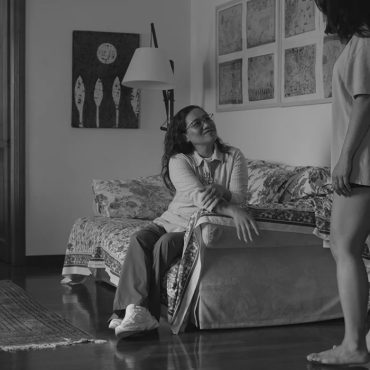
During Lebanon’s real-life corruption-fueled economic collapse, all the banks freeze accounts overnight, trapping millions of people’s life savings. Maro, a determined single mother, tries to access her own money to pay for her wild-hearted younger sister Dalia’s life-saving surgery. When the bank refuses, the sisters scheme an elaborate all-night heist to reclaim what is rightfully theirs. As they recruit an ex-militia member and truck driver into their plan, it triggers a chain of events that quickly spirals out of control in a city already on the brink.