Avi Mograbi, the acclaimed Israeli filmmaker, discusses his latest work Halayon, included in the Venice Open section, out of competition. The film is rooted in personal and collective memory, drawing on footage shot over a decade ago, and explores themes of destruction, resilience, and history. This interview offers insight into Mograbi’s creative process and the deeper messages behind his powerful documentary.
The Significance of Found Footage and Personal Memory in Halayon
Mograbi explains that the film is not directly based on his memories but rather on video material he captured 14 years ago for a different project. He revisited this footage to create a new piece for an art installation at the Venice Art Biennale, where the film is now exhibited. The footage includes a scene that was not used in the original film but resonated deeply with him, prompting its inclusion in the new work. The director emphasizes that the film’s core is about the persistence of memory through visual remnants, especially in the context of historical trauma.
Resilience of Nature Amid Destruction and Its Symbolism
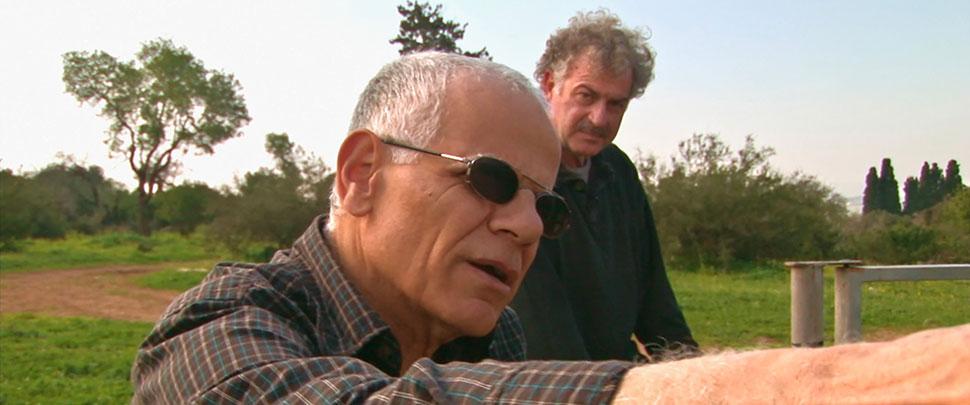
The film centers on the search for the remains of a Palestinian village destroyed in 1948, during the Nakba. While the physical traces of the village are gone, nature’s resilience becomes a key motif, illustrating that life persists despite human destruction. Mograbi reflects on how nature continues to thrive in the area, with plants and herbs still growing where the village once stood, symbolizing hope and continuity. The director draws parallels between this resilience and the ongoing struggles faced by displaced communities, pondering what future generations might find when they revisit these sites.
Addressing Collective Memory and Ongoing Conflict
Mograbi highlights that the film is fundamentally about memory — how it can be retrieved from what remains and what is lost. He notes that the editing process was straightforward, as the footage was mostly a single long walk, with only minor cuts to remove irrelevant parts. The simplicity of the editing process underscores the authenticity of the material and the importance of allowing viewers to engage directly with the visual narrative. Through Halayon, Mograbi aims to provoke reflection on the enduring impact of historical trauma and the resilience of life amid ongoing conflict, emphasizing the need for remembrance and dialogue.
Plot
Filmmaker Avi Mograbi and his Arabic teacher and friend Ali Al Azhari go looking for the remains of Ali’s village, Saffuriya, from which he was expelled during the 1948 Palestinian Nakba. Instead of ruins, they find Halayon, wild asparagus.