

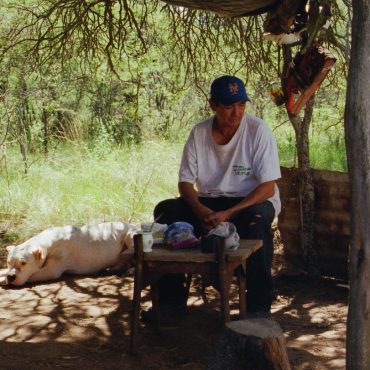
“Double Freedom”, interview with director Lisandro Alonso
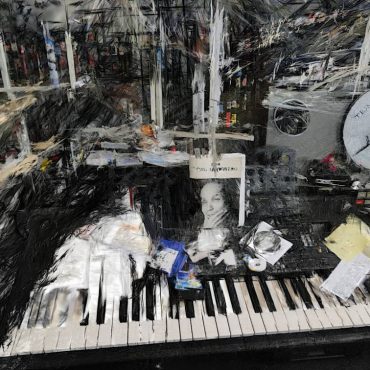
With "Double Freedom", Lisandro Alonso goes back to the origins of his cinema and finds a changed world
Listeners:
Top listeners:
 play_arrow
ENGLISH Channel 01 If English is your language, or a language you understand, THIS IS YOUR CHANNEL !
 play_arrow
ITALIAN Channel 02 Se l’italiano è la tua lingua, o una lingua che conosci, QUESTO È IL TUO CANALE!
 play_arrow
EXTRA Channel 03 FRED Film Radio channel used to broadcast press conferences, seminars, workshops, master classes, etc.
 play_arrow
GERMAN Channel 04 Wenn Ihre Sprache Deutsch ist, oder Sie diese Sprache verstehen, dann ist das IHR KANAL !
 play_arrow
POLISH Channel 05
 play_arrow
SPANISH Channel 06 Si tu idioma es el español, o es un idioma que conoces, ¡ESTE ES TU CANAL!
 play_arrow
FRENCH Channel 07 Si votre langue maternelle est le français, ou si vous le comprenez, VOICI VOTRE CHAINE !
 play_arrow
PORTUGUESE Channel 08
 play_arrow
ROMANIAN Channel 09 Dacă vorbiţi sau înţelegeţi limba română, ACESTA ESTE CANALUL DUMNEAVOASTRĂ!
 play_arrow
SLOVENIAN Channel 10
 play_arrow
ENTERTAINMENT Channel 11 FRED Film Radio Channel used to broadcast music and live shows from Film Festivals.
 play_arrow
BULGARIAN Channel 16 Ако българският е вашият роден език, или го разбирате, ТОВА Е ВАШИЯТ КАНАЛ !
 play_arrow
CROATIAN Channel 17 Ako je hrvatski tvoj jezik, ili ga jednostavno razumiješ, OVO JE TVOJ KANAL!
 play_arrow
LATVIAN Channel 18
 play_arrow
DANISH Channel 19
 play_arrow
HUNGARIAN Channel 20
 play_arrow
DUTCH Channel 21
 play_arrow
GREEK Channel 22
 play_arrow
CZECH Channel 23
 play_arrow
LITHUANIAN Channel 24
 play_arrow
SLOVAK Channel 25
 play_arrow
ICELANDIC Channel 26 Ef þú talar, eða skilur íslensku, er ÞETTA RÁSIN ÞÍN !
 play_arrow
INDUSTRY Channel 27 FRED Film Radio channel completely dedicated to industry professionals.
 play_arrow
EDUCATION Channel 28 FRED Film Radio channel completely dedicated to film literacy.
 play_arrow
SARDU Channel 29 Si su sardu est sa limba tua, custu est su canale chi ti deghet!
 play_arrow
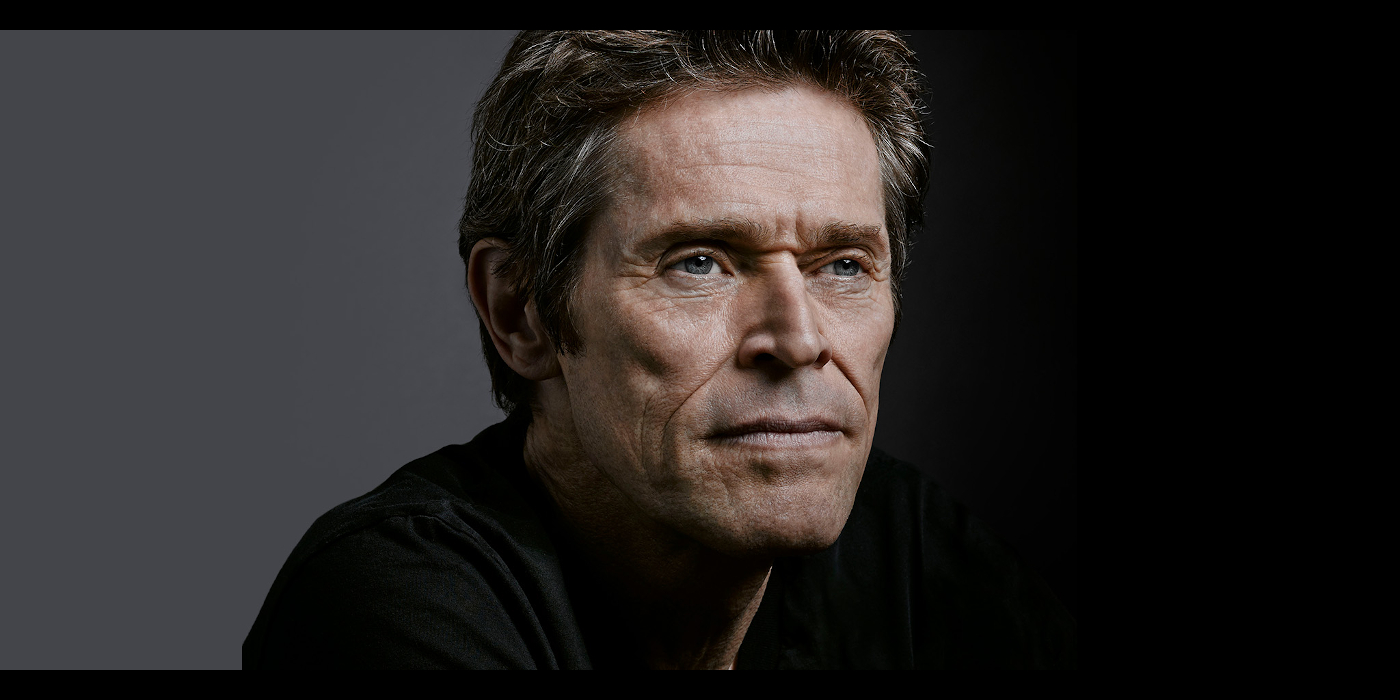
“Conversation with” at the 20th Marrakech IFF, interview with actor Willem Dafoe Bénédicte Prot
 play_arrow
“I See Buildings Fall Like Lightning”, interview with director Clio Barnard Chiara Nicoletti
Winner of the People’s Choice Audience Award at the Quinzaine des Cinéastes at the 79th Cannes Film Festival, “I See Buildings Fall Like Lightning” is the fifth feature by British filmmaker Clio Barnard, adapted by Enda Walsh from the novel of the same name by Birmingham writer Keiran Goddard. The film follows five childhood friends, Patrick, Shiv, Rian, Oli and Conor, now in their thirties, as the lives they dreamed of begin to feel out of reach. Set in Birmingham and anchored in a working-class community navigating precarious jobs, a housing crisis and the weight of growing up, the film stars Anthony Boyle, Joe Cole, Jay Lycurgo, Daryl McCormack and Lola Petticrew.
The project began when screenwriter Enda Walsh sent Clio Barnard the novel. She loved it immediately, particularly the way author Keiran Goddard had woven political questions into five brilliantly drawn characters, and she didn’t want it to end. But adapting a book made of five internal monologues was far from simple. “I was intrigued to see how Enda would adapt it because it’s not an easy book to adapt. How do you externalize what’s going on for five people internally and how do you weave five stories together into a film?”. Walsh wrote the script quickly and made key inventions, the character of Marcus, a dog that didn’t exist in the novel , that cracked the structure open. Barnard knew right away he had done it.
To build the world of the film with the authenticity it demanded, Clio Barnard went to the community where Keiran Goddard had grown up. Through the writer and his brother Tom, she found the Crown, a pub that became the nerve centre of the entire production. “It’s a really fantastic community hub because the people who run it are wonderful and they embraced us with open arms”. The Crown served as casting base, rehearsal space, workshop venue for local residents and, eventually, the set itself: all the pub scenes were shot there. The network of people they met through it provided the extras, the locations and the fabric of the film.
Creating the bond between five characters who are supposed to have known each other since childhood was essential. Clio Barnard had one advantage: Lola Petticrew and Anthony Boyle had actually known each other since they were teenagers and even dated briefly. The rest of the cast understood from the start what was needed. “They were just such a fantastic lovely group of people who were very collaborative and understood that what we needed to do was create a bond and a familiarity and for us to completely believe that they had grown up together”.
The film centres on a specific and quietly devastating moment in life: the passage into your thirties, when the open horizon of youth starts to close in. Clio Barnard sees it as something both personal and political: “In your twenties it feels like anything is possible and in your thirties reality bites. There’s a false promise that is made to people, especially young people, about getting a job, getting a place to live. It’s almost impossible to find a secure roof over your head or a secure job. Things are very out of balance and we need to do something about it”.
On the cusp of turning 30, Patrick, Shiv, Rian, Oli and Conor, five childhood friends from the same estate, are suddenly forced to confront a life where their hopes and dreams haven’t materialised. They are all walking the high wire. But which one will fall?
With "Double Freedom", Lisandro Alonso goes back to the origins of his cinema and finds a changed world
"Nostalgia for the Future" by Brecht Debackere explores archives, memory, and identity, blending film, philosophy, and innovation in a unique, thought-provoking style, while telling the life and ideals of a genius of filmmaking such Chris Marker.
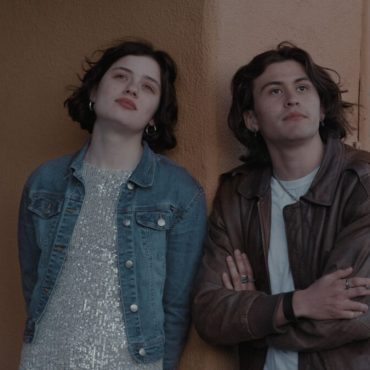
Katharina Rivilis discusses I’ll Be Gone in June at Cannes 2026, exploring adolescence, post-9/11 America and memory.
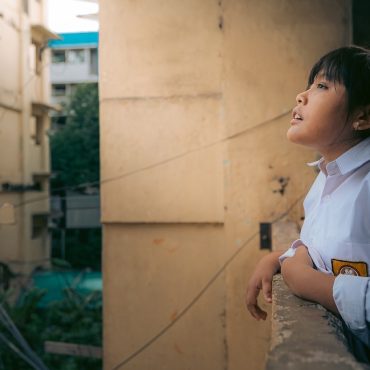
Sam Manacsa discusses Annisa at Cannes 2026, exploring sound, adolescence and belonging through the perspective of a blind teenage girl.
Edinburgh Spanish Film Festival
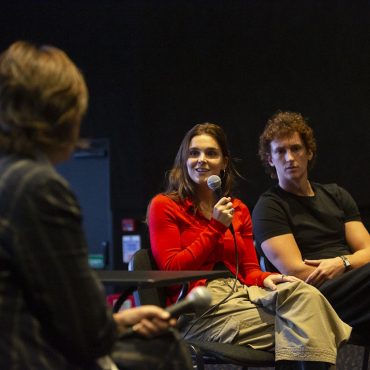
Marian Arechega, director of the vibrant Edinburgh Spanish Film Festival, discusses the 2026 edition programme, showcasing recent and diverse cinema from Spain.
Nicolas Winding Refn on Her Private Hell, his first feature in ten years, in Italian cinemas from October 1.
Discover how EWIP - European Work in Progress connects European and African films with top buyers, boosting distribution and festival success.
Rome is once again expanding the scope of its Film Fest: thirteen days of cinema, international premieres, renowned auteurs, emerging talent, series, documentaries, and cinematic heritage—with Javier Bardem, Paolo Genovese, and Monica Vitti at the heart of an edition that …